10 People Discharged from MTRH Ebola Isolation After Testing Negative
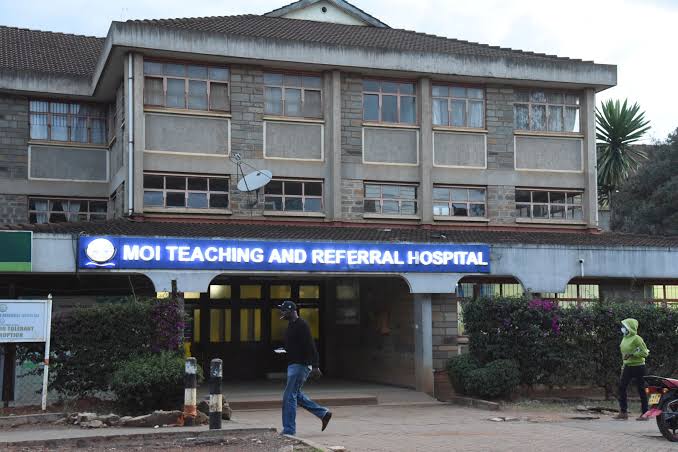
Moi Teaching and Referral Hospital CEO Philip Kirwa has confirmed that 10 people who had been isolated for Ebola monitoring have been discharged after testing negative for the virus. The development offers reassurance as health authorities continue strengthening surveillance and disease prevention measures. The hospital remains part of ongoing efforts to monitor suspected exposures, conduct necessary tests and protect healthcare workers and the public. Authorities continue to emphasise the importance of vigilance, timely testing and adherence to public health guidelines to prevent the possible spread of Ebola.
Moi Teaching and Referral Hospital Chief Executive Officer Philip Kirwa has announced that 10 people who had been placed under isolation for Ebola monitoring have been discharged after testing negative for the virus. The development provides reassurance amid ongoing efforts by health authorities to monitor individuals who may have been exposed to the disease and prevent possible transmission. The discharge follows medical assessments and laboratory testing, which established that the individuals did not test positive for Ebola. Health teams continue to emphasise the importance of surveillance, timely testing and strict adherence to established infection prevention measures as Kenya strengthens its preparedness against the disease.
The announcement highlights the important role played by Moi Teaching and Referral Hospital in monitoring suspected Ebola exposures and supporting the country's public health response. Located in Eldoret, Uasin Gishu County, the facility is one of Kenya's major referral hospitals and serves patients from across the North Rift region and beyond. Its involvement in isolation and monitoring activities reflects the need for specialised healthcare facilities to remain prepared to respond to infectious disease threats.
The discharge of the 10 individuals marks progress in determining the health status of people who had been isolated for observation. Isolation is an important public health measure used when individuals require separation from others while medical teams assess the possibility of an infectious disease. Depending on the circumstances, people may be monitored because of a suspected exposure, the development of symptoms or other factors identified during public health investigations.
Being placed under isolation does not automatically mean that a person has Ebola. Health authorities may recommend monitoring or isolation as a precaution while gathering information and conducting the necessary tests. These measures are intended to reduce potential risks while allowing healthcare professionals to determine whether further medical intervention is necessary. When assessments and test results indicate that an individual does not have the infection and the relevant public health requirements have been met, discharge may be authorised.
Ebola is a serious viral disease that can cause severe illness and may be fatal. It can spread through direct contact with the blood or other bodily fluids of an infected person who is showing symptoms, or through contact with contaminated materials. The disease does not ordinarily spread through casual proximity alone, making appropriate infection prevention procedures and accurate public health information essential in controlling potential outbreaks.
Early identification of suspected cases is one of the most important elements of an effective Ebola response. Health workers are trained to assess individuals who may have been exposed to the virus, monitor symptoms and arrange laboratory testing where necessary. These procedures help determine whether someone requires additional medical care or can safely be released from isolation under the applicable guidelines.
The discharge of the 10 individuals after negative test results demonstrates the importance of relying on medical evidence when making decisions about suspected infections. Testing helps distinguish confirmed infections from situations in which individuals may have been exposed but have not developed the disease. It also enables public health teams to make informed decisions about monitoring, treatment and other preventive measures.
At the same time, a negative result should be interpreted in accordance with the timing of testing, the individual's exposure history and the clinical guidance being followed. Ebola has an incubation period during which symptoms may not immediately appear after exposure. Health professionals therefore determine the appropriate monitoring period and testing arrangements based on established protocols rather than relying on a single general rule for every situation.
The role of referral hospitals in this process extends beyond testing and isolation. Such facilities must maintain trained personnel, appropriate protective equipment, suitable isolation spaces and clear procedures for handling suspected infectious diseases. Healthcare workers need to follow strict infection prevention measures when assessing patients who may have been exposed to Ebola or other serious pathogens.
These precautions protect not only patients but also medical personnel, support staff and other people within healthcare facilities. Appropriate handling of potentially infectious materials, careful use of protective equipment, safe waste disposal and proper cleaning procedures all contribute to reducing the risk of transmission. Continuous training and preparedness exercises can also help medical teams respond quickly when a suspected case is reported.
Kenya's preparedness efforts also depend on cooperation between hospitals, county health departments, national public health agencies and communities. Information about suspected exposures must be communicated promptly so that appropriate assessments can be conducted. Coordinated action helps ensure that individuals who require monitoring receive timely attention while unnecessary delays and confusion are minimised.
Public health surveillance is especially important when a disease outbreak is reported in a neighbouring country or when people may have travelled through areas affected by an outbreak. Authorities may strengthen screening at points of entry, review travel-related exposure information and train healthcare workers to recognise symptoms that could require further investigation. Such measures are designed to identify possible cases early and prevent the disease from spreading undetected.
However, screening and monitoring activities must be accompanied by reliable information. Members of the public need to understand what Ebola is, how it spreads and what steps they should take if they believe they may have been exposed. Accurate information can reduce fear, discourage misinformation and encourage people to seek medical assistance when necessary.
Fear and stigma can complicate disease control efforts when individuals who are suspected of having an infection are treated unfairly or avoided without a clear medical reason. People who undergo monitoring should be treated with dignity and their privacy respected. Public communication should focus on verified health information rather than speculation about individuals or communities.
The discharge of the 10 people is also a reminder that precautionary isolation can involve individuals who ultimately test negative for the disease. Such outcomes are an expected part of surveillance systems designed to investigate possible exposure before infections are confirmed. Although isolation can be stressful for those involved and their families, it can help protect the wider community while medical teams establish the facts.
Families and communities can support public health efforts by following official guidance, avoiding the spread of unverified claims and encouraging anyone with a credible exposure concern to contact qualified healthcare professionals. People should not attempt to diagnose Ebola based solely on rumours or symptoms that may have many possible causes. Professional assessment is necessary to determine whether testing or other precautions are required.
Healthcare workers also need support to carry out their responsibilities effectively. Adequate supplies, clear communication channels and access to diagnostic services are important for maintaining a reliable response. Hospitals must be prepared to manage suspected cases without disrupting essential services for patients seeking treatment for other conditions.
Moi Teaching and Referral Hospital's role in monitoring the 10 individuals highlights the importance of maintaining readiness even when suspected cases do not result in confirmed infections. Preparedness requires healthcare facilities to respond to potential threats systematically, following established procedures and making decisions based on evidence. A functioning surveillance system can help authorities identify risks early and respond appropriately.
Beyond hospitals, public health agencies must continue working with communities to strengthen awareness and trust. Residents should be able to access clear guidance on reporting suspected exposures, recognising warning signs and obtaining medical assistance. Community leaders and local administrators can help communicate this information, particularly in areas where misinformation or fear may discourage people from seeking care.
It is equally important for public announcements about suspected Ebola cases to distinguish clearly between people under monitoring, suspected cases and confirmed infections. These categories have different meanings, and confusing them can create unnecessary alarm. In this instance, the 10 individuals were discharged after testing negative, according to Kirwa's announcement. That information should not be interpreted as evidence that they had been infected with Ebola.
The development offers reassurance regarding the individuals concerned, while the broader need for vigilance remains. Infectious disease preparedness requires sustained attention, including monitoring where indicated, laboratory testing, staff training and cooperation between health institutions. A negative test result in one group does not remove the need for authorities to continue assessing other potential risks according to public health guidance.

You Might Also Like
-
Dr Juma Mukhwana's call for Africa to stop relying excessively on raw-material exports and begin manufacturing more of its own products highlights a major challenge facing the continent's economic development. The opening of the fifth KCA University Innovation Week and Industry Summit in Nairobi br
-
The Independent Electoral and Boundaries Commission (IEBC) has shortlisted nine candidates for the position of Commission Secretary and Chief Executive Officer. The interviews are scheduled for November 12 and 13, 2026, as the commission advances its recruitment process. The successful candidate wil
-
The Universities Fund has raised concerns over a KSh 16 billion funding shortfall for university scholarships in the 2026/2027 financial year amid growing demand for higher education financing. The gap has sparked concerns about the availability of financial support for students pursuing university
-
Kipchumba Murkomen's message at the Second Eastern Africa Dialogue Platform on Anticipatory Action centred on the need for stronger preparedness, regional cooperation and early intervention in the face of climate-related disasters. His call for IGAD member states to strengthen early action is parti
-
The Eastleigh building collapse remains a serious emergency, with rescue teams continuing to search for people who may be trapped beneath the rubble. The detection of two possible life signals by China's Blue Sky Rescue team has provided fresh hope, although their condition and the outcome of effort
-
A recent poll on President William Ruto’s potential running mate for the 2027 General Election places Kirinyaga Governor Anne Waiguru at 43% support, ahead of Deputy President Kithure Kindiki at 30% and Homa Bay Governor Gladys Wanga at 13%. The findings have sparked fresh discussion about possibl