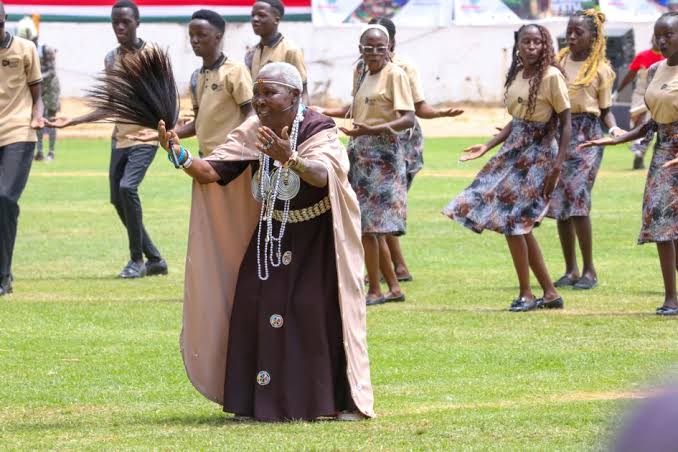
79-Year-Old Kogo Basilisa Becomes Internet Sensation Through Her Love for Dance
At 79, retired teacher Basilisa Singoei, popularly known as Kogo Basilisa, has become an internet sensation, winning admiration from Kenyans and audiences abroad with her energetic dance moves and love for music. Inspired by the traditional dances her mother taught her, Basilisa continues to celebrate her cultural heritage and demonstrate that age is no barrier to passion and self-expression. Her growing popularity highlights the importance of preserving traditional knowledge, embracing one's talents and strengthening connections between generations. Through her joyful performances, Kogo Basilisa is inspiring people of all ages to celebrate life, appreciate their roots and keep cultural traditions alive
At 79, retired teacher Basilisa Singoei, popularly known as Kogo Basilisa, is proving that age is no barrier to passion, creativity and the ability to inspire others. The elderly woman has captured the attention of social media users in Kenya and beyond through her energetic dancing, natural charisma and deep connection to the traditional dance moves she learned from her mother.
Her remarkable story has become a celebration of culture, family heritage and the enduring power of music. Through her performances, Kogo Basilisa is reminding people that dancing is not merely about physical movement but also about expressing joy, preserving memories and connecting generations.
In an era when social media trends often favour younger creators, the 79-year-old has emerged as an unexpected sensation, demonstrating that authentic talent and a joyful spirit can resonate with audiences of all ages.
Her words, “When music is in my blood, I dance, and I give the best dance that my mother showed me,” capture the passion behind her performances and the cultural roots that continue to shape her identity.
For many viewers, her story is more than an entertaining social media moment. It is a reminder of the value of traditional knowledge, the importance of respecting older generations and the beauty of keeping cultural practices alive.
A Passion for Dance That Began at Home
Kogo Basilisa's connection to dancing dates back to the lessons she received from her mother. Those early experiences laid the foundation for a lifelong appreciation of music and movement.
Traditional dances have historically played an important role in many Kenyan communities. They are used during celebrations, ceremonies, social gatherings and other occasions that bring people together.
Beyond entertainment, dance can communicate stories, express emotions and preserve the identity of a community. The movements, rhythms and songs passed down through generations often carry memories of family life, community values and cultural traditions.
For Basilisa, the dance moves taught by her mother have remained a meaningful part of her life decades later.
Her performances demonstrate how cultural knowledge can survive through everyday practice. While some traditional dances risk being forgotten as lifestyles change, individuals who continue to practise and share them help keep those traditions visible to younger generations.
At 79, Basilisa is showing that lessons learned in childhood can remain valuable throughout a person's life.
Her story also highlights the influence of parents and grandparents in shaping the interests, values and talents of younger family members. The traditions taught within families often become lasting connections between the past and the present.
From Retired Teacher to Social Media Sensation
Basilisa's popularity has introduced her to audiences far beyond the circles in which she may previously have been known.
Her dancing has attracted attention from social media users in Kenya and abroad, turning the retired teacher into an internet sensation.
Her growing visibility illustrates the ability of digital platforms to bring everyday people and their talents into the public spotlight.
In the past, someone with Basilisa's dancing ability might have been admired mainly by family members, friends and neighbours. Today, a video shared online can travel across counties and national borders, reaching thousands of viewers in a short period.
Social media has created opportunities for people of different ages and backgrounds to share their experiences, showcase their talents and connect with audiences they would otherwise never meet.
Basilisa's story fits into this broader transformation, in which authentic personal expression can attract attention without requiring expensive production equipment or elaborate performances.
Her appeal lies in the combination of her age, enthusiasm, confidence and connection to traditional dance.
Rather than allowing age to define what she can or cannot do, she continues to express herself through music and movement.
Her popularity also challenges assumptions about who can participate in digital culture. Older people are often underrepresented in online entertainment, yet Basilisa's growing recognition shows that audiences are willing to celebrate personalities whose stories are distinctive and relatable.
“When Music Is in My Blood, I Dance”
Basilisa's statement about music being in her blood has become a defining expression of her passion.
It suggests that dancing is not something she does simply to entertain others. Instead, music appears to be deeply connected to her sense of identity and happiness.
Her reference to the dance moves taught by her mother adds another dimension to her story.
It connects her present-day performances to childhood memories and family heritage, showing how traditional knowledge can remain alive through personal expression.
For many older people, music carries memories of important moments in life. A familiar rhythm or song can bring back memories of childhood, family celebrations, friendships and experiences from earlier years.
Dance can provide a similar connection, allowing people to express emotions and maintain a relationship with the traditions that shaped them.
Basilisa's enthusiasm offers a glimpse into that relationship between music, memory and identity.
Her words also carry a message for younger generations: cultural traditions do not have to remain confined to history books or formal ceremonies. They can continue to be practised, enjoyed and shared as part of everyday life.
By dancing with confidence at 79, she is demonstrating that cultural expression can remain meaningful throughout a person's lifetime.
Challenging Stereotypes About Ageing
Kogo Basilisa's popularity also raises an important conversation about ageing and society's expectations of older people.
Older adults are sometimes portrayed as individuals who should withdraw from public activities or limit themselves to quiet routines. Such assumptions can overlook their talents, interests, experiences and desire to remain socially engaged.
Basilisa offers a different picture.
Her enthusiasm for dance demonstrates that older people can continue pursuing activities that bring them happiness and connect them with others.
Her story encourages people to view ageing as a stage of life that can still include creativity, entertainment, social participation and personal fulfilment.
It also highlights the importance of allowing older adults to define their own interests rather than imposing limitations based solely on their age.
Not every person will enjoy dancing, and physical abilities differ from one individual to another. Nevertheless, people should have opportunities to participate in activities that suit their interests and circumstances.
For some, that may mean singing, gardening, storytelling, teaching or participating in community events. For Basilisa, dancing remains a powerful form of self-expression.
Her growing popularity may encourage other older people to rediscover hobbies they once enjoyed or explore new interests.
It can also remind families to create supportive environments in which older relatives feel valued, included and free to express themselves.
The Role of Traditional Dance in Preserving Culture
Basilisa's performances offer an opportunity to reflect on the role traditional dance plays in preserving Kenya's diverse cultural heritage.
Kenya is home to many communities, each with distinctive musical traditions, dances, instruments and forms of artistic expression.
These traditions have historically helped communities celebrate milestones, pass on knowledge and maintain a shared sense of identity.
Traditional dances can also provide younger generations with opportunities to learn about their heritage through direct participation rather than relying exclusively on written accounts.
When older people teach songs, rhythms and dance movements to younger family members, they become important custodians of cultural knowledge.
The knowledge they share may include not only the movements themselves but also the stories, values and social occasions associated with particular dances.
Basilisa's reference to her mother's teaching highlights this intergenerational connection.
Her story underscores the importance of encouraging cultural exchange between older and younger people. Families, schools and community organisations can play a role in creating opportunities for traditional arts to be practised and documented.
Digital platforms can support these efforts by making performances visible to wider audiences.
When handled respectfully, online sharing can help preserve cultural traditions, encourage curiosity and introduce people to practices they may not have encountered before.
At the same time, cultural expression should be presented with context and respect, recognising that traditional dances may have particular meanings within the communities where they originated.
Social Media and the Celebration of Authenticity
The attention surrounding Kogo Basilisa reflects a wider trend in online entertainment, where audiences increasingly encounter personalities through short videos, personal stories and spontaneous performances.
Social media platforms have changed how people discover talent. A person no longer needs to be a professional performer or television personality to reach a large audience.
Authenticity can be a powerful part of that appeal.
Basilisa's love for dancing and her connection to family traditions give her story a personal quality that audiences can relate to.
Her popularity also illustrates how online content can bring attention to people whose contributions might otherwise go unnoticed.
However, internet fame can bring challenges alongside opportunities. Public attention may expose individuals to unwanted criticism, intrusive questions or pressure to continue performing for an audience.
For older creators in particular, family support, privacy and respect for personal boundaries remain important.
The celebration of Basilisa's talent should therefore focus on her individuality, cultural connection and enjoyment of dance rather than reducing her identity to her age.
Her story is an opportunity to recognise her as a person with her own experiences, memories and interests.
An Inspiration to Younger Generations
For young people watching Basilisa's performances, one of the most important lessons is the value of embracing personal interests without allowing fear of judgement to become a barrier.
Her enthusiasm shows that enjoyment does not have to be determined by age or public expectations.
She also demonstrates the importance of listening to older generations and recognising the knowledge they carry.
Grandparents, parents and other elderly relatives often possess experiences and cultural memories that cannot easily be replaced once lost.
Taking time to learn from them can strengthen family relationships and help preserve traditions that might otherwise disappear.
Basilisa's connection to her mother offers a powerful example of how family teachings can remain meaningful for decades.
Young people can draw inspiration from this relationship by asking older relatives about their childhoods, learning traditional songs and dances, and documenting family histories.
Such activities can create lasting memories while strengthening connections between generations.