Aden Duale Calls on Muslims to Unite Under Coalition of the Marginalised and Support Ruto
Health Cabinet Secretary Aden Duale has called on Muslims across Kenya to unite under the proposed Coalition of the Marginalised and rally behind President William Ruto ahead of the 2027 General Election. Duale says the initiative seeks to bring together communities that have historically felt excluded from national development and decision-making, including Muslims, pastoralist communities and residents of regions such as Northern Kenya, the Coast, Nyanza and Western Kenya. The appeal comes as political leaders intensify efforts to build alliances and consolidate support ahead of the next General Election. Duale has defended the government’s development agenda, arguing that historically marginalised communities should have greater access to infrastructure, healthcare, education, employment opportunities and public services. The proposed coalition is expected to focus on unity, political representation and equitable development, although its success will depend on the support it attracts and its ability to address the concerns of the communities it seeks to represent.
Aden Duale Calls on Muslims to Unite Under Coalition of the Marginalised and Support Ruto
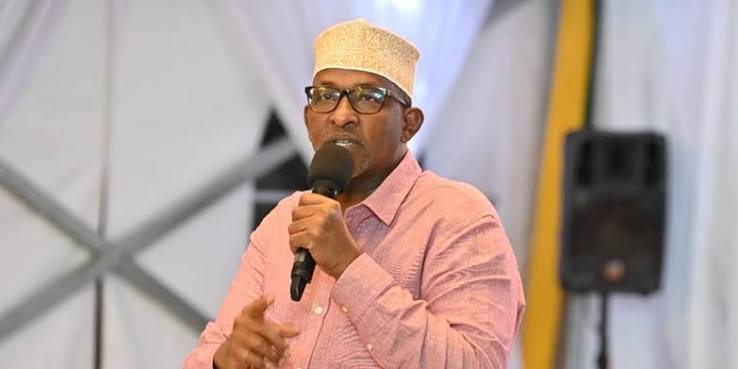
Health Cabinet Secretary Aden Duale has called on Muslims across Kenya to unite under a proposed political movement dubbed the Coalition of the Marginalised, urging them to support President William Ruto as the country prepares for the 2027 General Election.
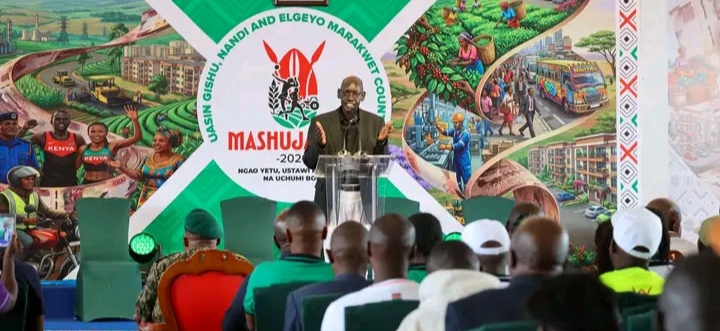
Duale made the appeal during the National Muslim Leaders Convention held in Nairobi on Thursday, October 15, 2026, where he represented President Ruto and outlined the administration’s position on historical marginalisation, equitable development and the political participation of communities that have felt excluded from national decision-making.
The Cabinet Secretary argued that Muslims and other historically marginalised communities needed to come together under a common political platform to strengthen their voice in national affairs and pursue what he described as fair access to development opportunities and public resources.
He said the proposed coalition would bring together Muslims, pastoralist communities and people from regions that have historically lagged behind in development, including parts of northern Kenya, the Coast, Nyanza and Western Kenya.
According to Duale, the initiative is intended to create a united front through which these communities can pursue their shared interests and consolidate their political influence ahead of the next General Election.
His remarks signal an effort by leaders allied to President Ruto to broaden the administration’s political support base by appealing to communities whose concerns have centred on unequal development, limited economic opportunities and inadequate representation in public institutions.
Duale Urges Muslims to Rally Behind Ruto
Duale maintained that Muslims should consider the government’s development record and its commitment to addressing historical inequalities when deciding which political direction to support.
He argued that communities that have experienced exclusion for decades should assess the administration based on its approach to public service delivery, infrastructure development and access to government opportunities.
The Cabinet Secretary presented President Ruto as a leader seeking to address longstanding regional disparities and give historically underserved communities a greater role in the country’s development agenda.
He maintained that the proposed Coalition of the Marginalised would offer a platform for communities to unite around these concerns rather than remain politically fragmented.
The appeal comes as political leaders begin positioning themselves ahead of the 2027 General Election, with discussions increasingly focusing on alliances, voting blocs and the distribution of development resources.
For Duale, bringing Muslims together with other communities that identify with the experience of marginalisation could strengthen their bargaining power and enable them to engage the government more effectively.
He also argued that the country’s development agenda should reflect Kenya’s diversity, with public appointments, national policies and resource allocation taking into account the interests of communities across different regions.
However, the proposed coalition remains a political initiative whose effectiveness will depend on whether its organisers can build broad support and translate their promises into practical outcomes.
Proposed Coalition to Bring Together Marginalised Communities
Duale said the proposed alliance would not be limited to Muslims or communities from northern Kenya. Instead, it would seek to unite people from several regions who believe they have historically received an insufficient share of national development.
The proposed coalition is expected to bring together pastoralist communities and populations from northern Kenya, the Coast, Nyanza and Western Kenya, among other areas.
The idea is to build a common political platform around concerns such as access to infrastructure, healthcare, education, employment, business opportunities and representation in government.
Duale has previously outlined plans for a coalition that would unite communities he considers to have been left behind by successive administrations.
He argues that such communities could gain greater influence by working together instead of pursuing their political interests separately.
The approach reflects a broader political strategy in which historical marginalisation and equitable development are being presented as central issues ahead of the 2027 elections.
For communities that have long raised concerns about unequal access to public services and economic opportunities, the proposal could provide a platform for demanding greater attention to their priorities.
Nevertheless, the coalition's ability to attract support across regions will depend on its leadership, organisational structure, political commitments and the confidence communities place in its objectives.
It will also need to demonstrate that its agenda can accommodate the different priorities of the communities it seeks to unite.
Historical Marginalisation at the Centre of the Debate
Duale has repeatedly argued that some Kenyan communities experienced decades of exclusion from economic development and public investment.
He has cited historical policies and development decisions made after independence as factors that contributed to regional inequalities.
In his view, these historical experiences continue to influence how some communities access infrastructure, government services and economic opportunities.
Northern Kenya, in particular, has faced longstanding challenges involving infrastructure, water access, healthcare facilities, education and connectivity. Other regions have also raised concerns about uneven development and the need for a fairer distribution of public resources.
Duale maintains that addressing these concerns requires a deliberate commitment to ensuring that development reaches all parts of the country.
He has defended the Ruto administration’s approach, arguing that investment should not be concentrated in a few regions while others remain underserved.
The proposed coalition would therefore seek to turn these concerns into a common political agenda, giving participating communities a stronger platform to advocate for their interests.
However, addressing historical inequalities involves more than political declarations. It requires sustained investment, transparent allocation of resources, effective implementation of development projects and accountability for public spending.
The success of any effort to address marginalisation will ultimately be judged by whether communities experience meaningful improvements in their living standards and access to essential services.
Government Points to Development and Access to Public Services
During his remarks, Duale defended the administration’s record on development, citing infrastructure investment and efforts to improve access to government services.
He also referred to the revival of factories in Western Kenya and improvements in access to passport services as examples of measures he believes demonstrate the government’s commitment to broadening opportunities.
The Cabinet Secretary argued that government services should be accessible to all Kenyans without discrimination based on religion or geographical background.
He specifically emphasised the need for Muslims, Christians and other citizens to receive equal treatment when seeking national identity cards, passports and other public services.
Access to identification documents remains important because such documents are required for many administrative processes, including voter registration, employment applications and access to certain government services.
For communities that have experienced difficulties accessing public services, improvements in service delivery can have a direct effect on their participation in social, economic and political activities.
Duale’s message was that equal treatment and fair access to opportunities should form part of the country’s broader development agenda.
He maintained that the administration wanted public appointments, resource allocation and national policies to reflect Kenya’s diversity.
The challenge, however, will be ensuring that these commitments are implemented consistently across the country and that communities can assess the results through clear and measurable outcomes.
Muslims and National Political Participation
Duale’s appeal also places the political participation of Muslim communities at the centre of the debate ahead of the next election.
Muslims form part of Kenya’s diverse religious and cultural landscape, with communities spread across the Coast, North Eastern Kenya, Nairobi and other parts of the country.
Their political interests, like those of other Kenyan communities, include access to education, employment, healthcare, security, business opportunities and representation in public institutions.
By calling for unity under the proposed Coalition of the Marginalised, Duale is urging Muslim leaders and their communities to organise around shared concerns and engage more actively in national politics.
The proposal could provide an opportunity for Muslim leaders to articulate common priorities and seek commitments from political leaders on issues affecting their communities.
At the same time, political support among Muslims cannot be assumed to be uniform. Individuals and communities may hold different views on the government, development priorities and the leadership they want to support in 2027.
The proposed coalition will therefore need to convince potential supporters that its objectives reflect their concerns and that it can provide a credible means of pursuing them.
The convention also provided a forum for Muslim leaders to discuss governance, development and engagement with public institutions.
The Supreme Council of Kenya Muslims, which convened the gathering, has called for stronger cooperation among Muslim leaders and more structured engagement with government institutions to ensure that community concerns are considered in national policies.
Political Implications Ahead of the 2027 Election
Duale’s call comes at a time when political leaders are increasingly preparing for the 2027 General Election.
With less than a year remaining before Kenyans head to the ballot, politicians and political parties are working to establish alliances, strengthen support in different regions and present their agendas to voters.
The proposed Coalition of the Marginalised could become part of the political efforts to consolidate support for President Ruto’s re-election bid.
By focusing on historical exclusion and equitable development, the initiative seeks to connect the interests of communities across different geographical areas under a common political message.
The strategy also shifts attention towards questions about who benefits from national development and whether government resources are distributed fairly.
For the administration, convincing voters that development is reaching historically underserved areas could be an important part of its campaign message.
For communities being approached by the proposed coalition, the key issue will be whether political promises translate into tangible improvements in infrastructure, public services and economic opportunities.
The coalition’s prospects will also depend on whether its leaders can maintain unity among groups with different interests and political expectations.
Building an alliance across several regions and communities can present challenges, particularly when members disagree on leadership, representation, priorities or the distribution of political influence.
Consequently, the initiative will require more than calls for unity. It will need a clear agenda, credible leadership and a practical plan for addressing the concerns of the communities it seeks to represent.
Questions Over Implementation and Accountability
Although the proposal emphasises unity and equal development, its long-term impact will depend on the commitments made by its organisers and the government.
Communities seeking to join such an alliance may want clear explanations of how their concerns will be addressed, what development priorities will receive attention and how progress will be measured.
They may also seek assurances that political engagement will lead to sustained improvements rather than temporary promises made during the election period.
For example, investment in roads and other infrastructure can improve connectivity and support business activities, while better access to healthcare and education can strengthen communities’ long-term economic prospects.
Equally important are employment opportunities, support for businesses and transparent access to public programmes.
A credible approach to addressing marginalisation would require regular engagement with communities and accountability for the implementation of agreed priorities.
These considerations are likely to shape the response of potential supporters as the proposed coalition takes shape.
Duale’s remarks have placed the idea of a united political platform for marginalised communities firmly within the discussion ahead of the 2027 elections. Whether the initiative develops into a significant electoral alliance will depend on the support it attracts and the commitments it secures.
A Call for Unity and Support for Ruto
In his address, Duale urged Muslims to unite with other communities that share concerns about historical marginalisation and to consider supporting President Ruto in the next General Election.
He presented the proposed Coalition of the Marginalised as a way of strengthening their collective voice and pursuing fairer access to national development.
The appeal forms part of a wider political effort by government allies to rally support around the administration’s development agenda as the country approaches the 2027 polls.
For Muslims and other communities being invited to join the proposed alliance, the coming months are likely to be important in determining whether the initiative can establish a clear identity, develop a practical agenda and gain widespread backing.
Ultimately, the debate will centre on whether the proposed coalition can move beyond political mobilisation and deliver meaningful representation, equitable development and improved access to public services.
As political realignments continue ahead of the next election, Duale’s message is clear: he wants Muslims and other communities he describes as historically marginalised to unite under a common political platform and support President William Ruto’s bid for a second term.

You Might Also Like
-
The reported turnout of thousands of job seekers at Wajose Smart Wears in Kericho has highlighted the urgency of addressing unemployment and the intense competition for available opportunities. While the precise details of the recruitment exercise remain independently unverified, the wider employmen
-
The National Transport and Safety Authority (NTSA) has urged motorists whose Smart Driving Licences are ready for collection to pick them up from their designated centres. The authority has also warned Kenyans against dealing with brokers and unauthorised intermediaries who claim to offer assistance
-
President William Ruto's October 16, 2026, engagements in West Pokot and Trans Nzoia form part of his wider North Rift development tour ahead of Mashujaa Day celebrations on October 20. The published programme includes the issuance of 11,493 title deeds in West Pokot, commissioning the Kapenguriaâ€
-
Former Nairobi Provincial Commissioner Davis Nathan Chelogoi has been convicted in a KSh 1.35 billion land fraud case involving a 7.39-hectare parcel in Lower Kabete, Nairobi. The court found him guilty on five counts, including conspiracy to defraud, forcible detainer and forgery, following a trial
-
The participation of Dr Belio Kipsang in the Mashujaa Day thematic week panel discussion at Eldoret National Polytechnic highlights the importance of connecting national celebrations with practical issues affecting citizens. His contribution focused on border security, citizenship documentation, co
-
The reported site visit involving Roads and Transport Cabinet Secretary Davis Chirchir, Chepalungu MP Victor Koech and World Bank officials highlights the importance of rural road connectivity in Bomet County and the wider South Rift region. The proposed Chebole–Siongiroi–Labotiet–Gorgor impr