



Bomet County Signs MoU With Peek Vision to Strengthen Eye Health Services
Bomet County has signed an MoU with Peek Vision to enhance eye screening, early detection and access to quality eye-care services across the county.
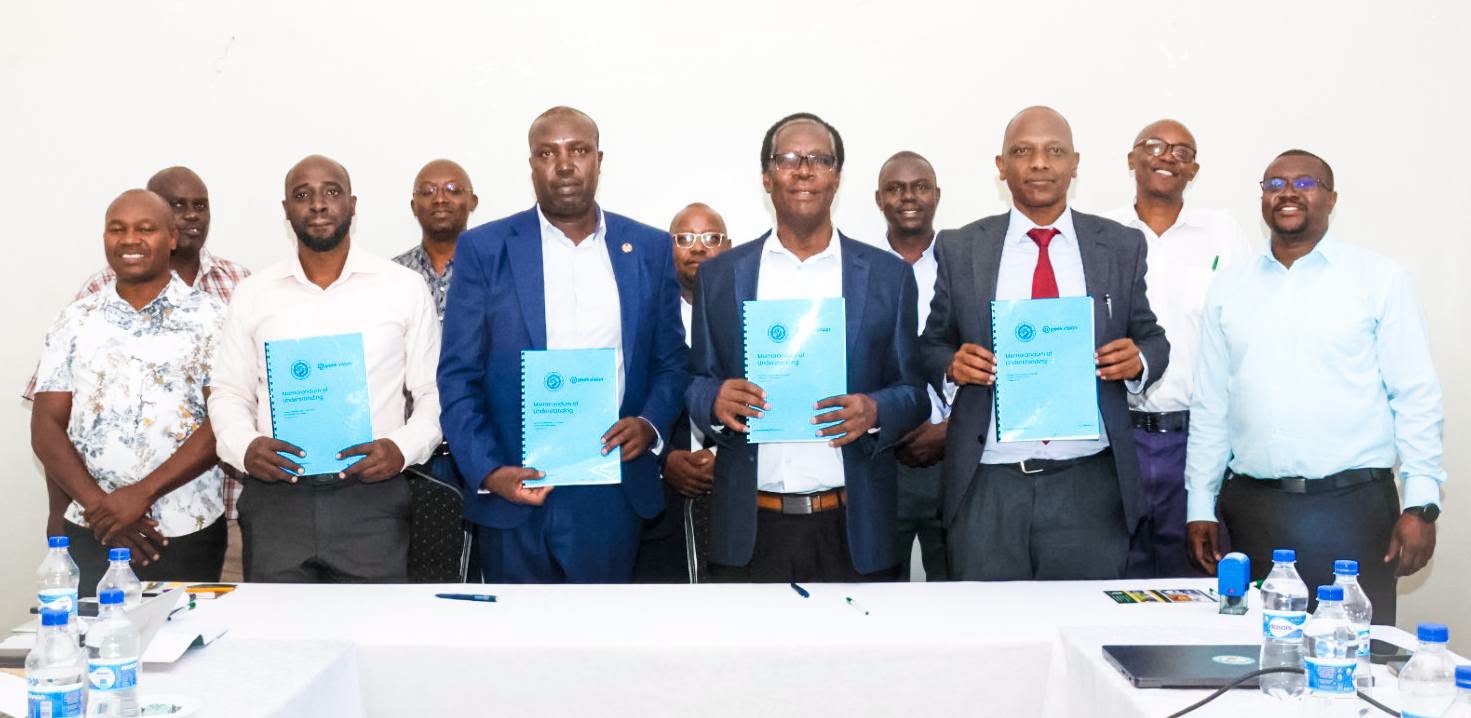
The Bomet County Department of Health Services has signed a Memorandum of Understanding with Peek Vision in a move aimed at strengthening eye health services and improving access to quality eye care across the county.
The partnership brings together the county health department and Peek Vision in a collaboration expected to support eye screening, early detection of vision problems, knowledge sharing, innovation and improved delivery of eye care services to communities.
The MoU signing was attended by senior officials from the Bomet County Department of Health Services, led by County Executive Committee Member for Health Dr. Joseph Sitonik and Chief Officer for Health Felix Lang’at, alongside representatives from Peek Vision.
The agreement provides a framework for continued cooperation between the two institutions as they seek to strengthen eye health interventions and improve outcomes for residents across Bomet County.
Focus on Early Detection
One of the key areas of the partnership is strengthening screening and early detection of eye conditions.
Early identification of vision problems can allow patients to receive appropriate care and referrals before conditions become more serious.
Through improved screening programmes, health workers can identify people who require further assessment and connect them with appropriate eye-care facilities.
The partnership is therefore expected to support a more coordinated approach to identifying eye-health needs within communities and ensuring that patients are linked to services where necessary.
Peek Vision has been involved in technology-based eye-health programmes in Kenya, using digital tools to support screening, referral and data-driven planning. The organisation says its technology has been used to screen millions of people and connect hundreds of thousands to eye care.
Technology in Eye Care
The collaboration comes at a time when technology is increasingly being used to improve access to healthcare.
Peek Vision develops digital tools designed to support eye-health programmes, including screening and the collection of information that can help healthcare teams monitor patients and plan services.
In Kenya, Peek has worked with government and health-sector partners on programmes aimed at expanding access to eye care.
The organisation says Kenya remains an important centre for its research and innovation work, including efforts to integrate its technology with national health information systems and electronic community health information systems used by Community Health Promoters.
For Bomet, the use of digital tools could help health workers improve the identification of patients requiring eye care while also strengthening the information available for planning and decision-making.
Building on Existing Eye Health Plans
The MoU also comes as Bomet County continues implementing plans aimed at strengthening eye health services.
The county has an approved Comprehensive Eye Healthcare Policy and a Comprehensive Eye Healthcare Strategic Plan covering the 2025–2030 period.
The county's eye-health policy identifies several priorities, including improving access to quality and affordable eye care, strengthening partnerships, enhancing referral systems, improving data collection and reporting, and increasing the availability of eye-health equipment and infrastructure.
The policy also seeks to improve community awareness and strengthen the capacity of healthcare workers dealing with eye conditions.
The partnership with Peek Vision therefore fits within the county's broader strategy of developing a more coordinated and accessible eye-health system.
Strengthening Community Screening
Community-based screening is expected to remain an important component of the partnership.
Many people experiencing vision problems may not seek medical attention until their condition begins to interfere significantly with their daily lives.
By taking screening services closer to communities, health workers can potentially identify people who require further assessment and referral.
Schools, community health programmes and primary healthcare facilities can provide important points for identifying vision problems early.
Peek Vision says its programmes in Kenya have included large-scale vision screening in schools and communities, strengthening referral pathways and generating data to guide health planning and service delivery.
The experience from such programmes could provide useful lessons as Bomet expands its eye-health interventions.
Improving Referral Systems
Screening alone is not enough if patients cannot access appropriate treatment.
For this reason, strengthening referral pathways is another important element of effective eye-health services.
A patient identified with a vision problem at community level may require assessment by an optometrist, ophthalmologist or another qualified specialist.
An effective referral system helps ensure that such patients do not get lost between different levels of care.
Bomet's eye-health policy identifies improved referral pathways as one of the areas requiring attention as the county works to provide more comprehensive services.
The partnership with Peek Vision could therefore contribute to better coordination between community screening programmes and health facilities.
Existing Eye Care Infrastructure
Bomet already has experience in providing specialised eye-health services.
Longisa County Referral Hospital has an established eye unit that provides services including eye screening, cataract surgery, optometry, treatment of eye infections and outreach services.
The facility was commissioned as a specialised eye-health unit to serve residents of Bomet and neighbouring counties.
The existence of such specialised services provides a foundation for strengthening the county's wider eye-health network.
With improved screening and referral at community and primary-care level, more patients could potentially be identified and connected to specialised services when necessary.
Role of Health Workers
The success of the partnership will also depend on the involvement and capacity of healthcare workers.
Health personnel require appropriate training to conduct screening, use digital tools, interpret information and refer patients according to established guidelines.
Peek Vision has previously supported training of health workers and organisations involved in eye-health programmes in Kenya.
For example, AGC Tenwek Hospital in Bomet County became the first organisation to receive Peek Vision certification in 2024, with members of its team trained in using Peek software and analysing programme data.
This existing experience within Bomet provides a local foundation for further collaboration and capacity building.
Data and Planning
Another potential benefit of the partnership is improved access to information for health planning.
Accurate data can help health authorities understand the scale and distribution of eye-health needs across different communities.
Information generated through screening programmes can help identify areas with higher demand for services and guide decisions on outreach, staffing, equipment and other resources.
Peek Vision says its technology has helped health programmes access real-time data, allowing health teams to monitor screening and referrals and make decisions more quickly.
For Bomet County, strengthening eye-health information systems could support evidence-based planning and help measure progress in reducing avoidable vision impairment.
Commitment From the County Health Department
The Department of Health Services has reaffirmed its commitment to working with partners to strengthen healthcare delivery in Bomet.
The department's mandate includes the management of county health facilities, promotion of primary healthcare, referral services, public health and preventive, promotive and curative healthcare services.
Dr. Joseph Sitonik serves as the county's CECM for Medical and Health Services, while Felix Lang’at is the Chief Officer for Medical and Health Services.
Their participation in the MoU signing signals the department's involvement in the new collaboration and its broader efforts to strengthen specialised and primary healthcare services.
Looking Ahead
The signing of the MoU marks the beginning of a framework for continued cooperation rather than an end in itself.
The effectiveness of the partnership will ultimately depend on how the agreed areas of collaboration are implemented on the ground.
This could include expanding screening programmes, strengthening referral networks, training health workers, improving the use of digital health information and increasing community awareness about eye health.
The county's existing eye-health policy provides a broader framework for these efforts, with the goal of ensuring equitable access to comprehensive eye healthcare for residents.
For residents, the expected benefit is improved access to services that can help identify and manage vision problems earlier.
Improving Eye Health Outcomes
Eye health has implications beyond medical care.
Untreated vision problems can affect children's education, adults' ability to work and older people's independence.
Improving access to screening and treatment can therefore contribute to wider social and economic wellbeing.
The partnership between Bomet County and Peek Vision is expected to strengthen the systems required to identify people with vision problems and connect them to appropriate care.
As implementation begins, attention will shift to how the two institutions translate the commitments contained in the MoU into practical services for communities.
The agreement adds another layer to Bomet County's ongoing efforts to strengthen specialised healthcare and improve access to services.
With its existing eye-health infrastructure, strategic plans and experience with digital eye-health programmes, Bomet now has an opportunity to further develop a coordinated approach to screening, referral, treatment and follow-up.
The ultimate measure of the partnership will be its impact on residents — particularly people who might otherwise struggle to access eye screening and specialised care.
Through continued collaboration, innovation and investment in healthcare systems, the county aims to strengthen eye-health services and improve the quality of care available to people across Bomet County.

You Might Also Like
-
 The Kenya Tourism Board (KTB) is intensifying efforts to promote Kenya as a leading tourism destination by showcasing the country’s diverse attractions, including wildlife, beaches, culture, adventure, sports, conferences and lesser-known destinations across the 47 counties. Through the Magical Ke
 -
Kipchumba Murkomen's presence in Igembe today was centred on the passing-out of National Police Reservists at Magado in Igembe North, Meru County. The ceremony follows the government's recruitment and training of additional NPRs and comes alongside wider reforms aimed at strengthening community poli
-
Former Kenyan athlete Beatrice Murugi has received a new lifeline after being transferred to Kenyatta National Hospital (KNH) for specialised treatment following years of health and financial struggles. Reports published on September 23, 2026, indicate that Murugi, who previously competed profession
-
The Turbo tanker tragedy has become one of the major recent road accidents in the Eldoret area, with the death toll now standing at six according to the latest Citizen TV update available on September 23, 2026. What began as a road collision involving a fuel tanker escalated into a deadly fire aft
-
PS Agriculture Dr. Kipronoh Ronoh says agriculture remains the backbone of Kenya’s economy, supporting food security, livelihoods, employment and economic growth.
-
Today's Safaricom news is dominated by the government's legal challenge over the KSh204.3 billion sale of a 15 percent stake in Safaricom. The government is asking the Court of Appeal to overturn the High Court ruling that declared the transaction null and void and to suspend implementation of that