



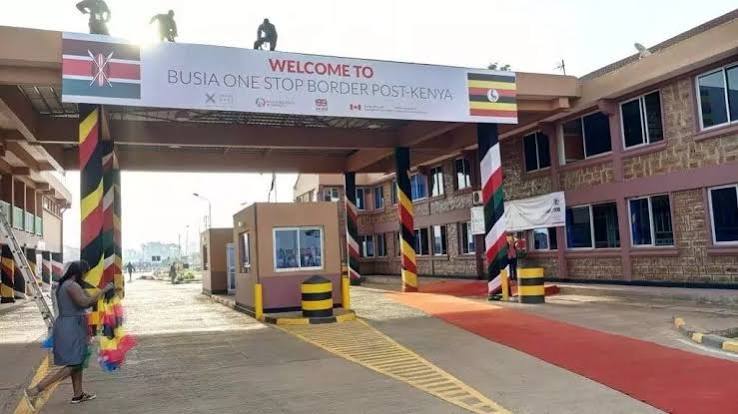
Busia governor otuoma praises ruto and museveni over kenya-uganda border road improvements
Busia governor paul otuoma has praised president william ruto and ugandan president yoweri museveni for their efforts to improve road infrastructure along the kenya-uganda border. he says better roads will strengthen cross-border trade, ease the movement of people and goods, reduce transport challenges and create new economic opportunities for residents and businesses. the improvements are also expected to enhance regional connectivity and support busia's position as a key gateway for trade between kenya and uganda.
Busia governor paul otuoma has praised president william ruto and ugandan president yoweri museveni for their efforts to improve road infrastructure along the kenya-uganda border, noting that better roads are essential for strengthening trade, easing movement and promoting economic growth between the two neighbouring countries.
the governor's remarks highlight the importance of cooperation between kenya and uganda in developing transport infrastructure that serves residents, traders, transporters and businesses operating across the border. the two countries share strong economic and social ties, with thousands of people crossing between them regularly for business, employment, education, family visits and other activities.
improving roads along the border is expected to contribute to more efficient transportation of goods and passengers, while creating better conditions for cross-border trade. for communities in busia and surrounding areas, reliable road networks are particularly important because a significant part of the local economy depends on commerce and the movement of agricultural produce and other commodities.
improved roads expected to strengthen cross-border trade
busia county occupies a strategic position in kenya's relationship with uganda. the county serves as one of the important gateways connecting the two countries, making its road network vital to regional commerce and the movement of people.
traders rely on these routes to transport goods between markets in kenya and uganda. agricultural produce, manufactured products, household goods and other commodities move through border crossings, supporting businesses and providing livelihoods to many families.
however, the efficiency of this trade depends partly on the condition of the roads connecting border towns to major commercial centres. poor road conditions can increase transportation costs, delay deliveries and make it difficult for traders to move their products on time.
the improvement of road infrastructure can help address some of these challenges by providing smoother connections between border points, trading centres and other important destinations.
governor otuoma's recognition of the efforts by ruto and museveni draws attention to the role that national leadership and cooperation between neighbouring governments can play in supporting economic activity.
better roads can also make it easier for small-scale traders to reach customers, access supplies and expand their businesses beyond their immediate communities. this could benefit market vendors, farmers, transport operators, shop owners and other people whose incomes depend on cross-border commerce.
for many residents, improved transport links are not simply about travelling from one location to another. they can influence the price of goods, the availability of markets and the opportunities available to businesses seeking to grow.
kenya and uganda strengthen regional cooperation
kenya and uganda maintain longstanding relations supported by trade, transport, cultural connections and shared regional interests. their geographical proximity makes cooperation on infrastructure particularly important, especially in areas where communities depend on cross-border economic activities.
president william ruto and president yoweri museveni have a shared interest in improving connectivity between their countries. effective road networks can support the movement of goods, reduce transport difficulties and strengthen the relationship between businesses operating in the two markets.
infrastructure development also plays a significant role in regional integration. when neighbouring countries invest in roads and other transport facilities, they create opportunities for businesses to reach wider markets and for communities to benefit from increased economic interaction.
the kenya-uganda border is particularly important because it connects local economies with larger regional trading networks. improvements to transport infrastructure can help make these connections more efficient, supporting the movement of products to towns, cities and distribution centres.
for busia residents, cooperation between the two governments is important because infrastructure on either side of the border affects the overall movement of people and goods. a well-maintained road on one side may offer limited benefits if the connecting route on the other side remains difficult to use.
this makes coordination between kenya and uganda essential in ensuring that infrastructure improvements deliver practical benefits to border communities and commercial operators.
continued collaboration can also help the two countries address shared challenges affecting transport, including congestion, delays, road safety and the need for reliable connections between major trading centres.
busia's strategic role in regional commerce
busia county is widely recognised for its role in cross-border trade and its links with uganda. its location gives it an important position in the movement of goods and people between the two countries.
border towns often experience significant commercial activity because they bring together traders, transporters, service providers and customers from different locations. this creates opportunities for businesses but also increases demand for reliable roads and other public infrastructure.
when roads are in good condition, traders can move their goods more efficiently, transport operators can plan their journeys more effectively and customers can access markets with fewer difficulties.
improved infrastructure can also encourage businesses to establish or expand operations in areas that are well connected to major transport routes. this may create additional demand for accommodation, food services, storage facilities, vehicle maintenance and other commercial activities.
for busia county, such opportunities could support local employment and strengthen the contribution of trade to the county's economy.
the benefits, however, depend on whether infrastructure improvements are accompanied by effective planning, maintenance and the development of supporting facilities. roads must remain usable over time, while border facilities and connecting routes should be able to accommodate the volume of traffic passing through them.
governor otuoma's praise of the two presidents therefore places attention on the broader importance of infrastructure development in a county whose economic activities are closely linked to regional movement and trade.
better transport connections for residents
road improvements are important not only to large businesses and commercial transport operators but also to ordinary residents who depend on roads to access essential services.
people living in border communities regularly travel to markets, schools, health facilities, workplaces and administrative centres. the quality of transport infrastructure can affect how easily they reach these destinations.
poor roads may increase travel times, raise transport expenses and make journeys difficult, particularly during periods of heavy rainfall. these challenges can affect farmers transporting produce, parents taking children to school and patients seeking medical attention.
improved roads can help reduce such difficulties by making transport more dependable and improving access to services.
farmers may also benefit from better connections to markets where they can sell their produce. when transportation becomes easier, agricultural products can reach buyers more efficiently, potentially reducing losses caused by delays and difficult journeys.
small businesses can benefit from improved access to suppliers and customers, while transport operators may find it easier to move passengers and goods between towns.
these everyday benefits are an important part of infrastructure development because they connect government investment with the practical needs of the public.
for communities in busia and neighbouring areas, reliable roads can therefore contribute to improved mobility and create conditions that support economic activity across different sectors.
infrastructure development and economic growth
road infrastructure is an important foundation for economic development because it connects people, businesses, markets and public services.
where transport networks are reliable, businesses can plan deliveries, farmers can reach buyers and manufacturers can move products to distribution points. these activities help support commercial growth and create opportunities for investment.
in border counties such as busia, the importance of roads is even greater because economic activity extends beyond national boundaries. businesses may source goods from one country, process or distribute them in another and sell to customers across the region.
efficient transport connections can help reduce some of the costs associated with these activities. this can make businesses more competitive and improve the movement of goods through regional supply chains.
road improvements may also encourage investment in facilities such as warehouses, markets, transport yards and commercial centres. such developments can create employment opportunities for residents and support the growth of related industries.
nevertheless, the full economic value of road projects depends on several factors, including the quality of construction, regular maintenance, road safety measures and the ability of businesses to take advantage of improved access.
infrastructure investment must also respond to the needs of local communities. roads connecting major trading centres are important, but feeder roads serving farms, villages and smaller markets can be equally significant in ensuring that economic benefits reach a wider population.
as kenya and uganda continue to pursue regional cooperation, effective planning and investment in connecting routes will remain important in strengthening the economic relationship between the two countries.
the importance of maintaining road infrastructure
while the development of new roads and the upgrading of existing routes are important, maintaining the infrastructure is equally necessary.
roads experience wear and tear from heavy vehicles, changing weather conditions and increasing traffic volumes. without proper maintenance, newly improved routes can deteriorate, reducing their usefulness and increasing the cost of transportation.
regular inspections, drainage improvements, repairs and appropriate traffic management can help protect public investment and extend the lifespan of roads.
maintenance is particularly important along busy trade routes where heavy commercial vehicles frequently transport goods between countries. such routes need to remain safe and reliable to support the movement of cargo and passengers.
government agencies responsible for road development must therefore ensure that infrastructure projects include long-term maintenance plans. this can help prevent avoidable deterioration and reduce the need for costly reconstruction in the future.
road safety should also remain a priority. better road surfaces need to be accompanied by appropriate signage, clear road markings, pedestrian facilities where necessary and measures to protect vulnerable road users.
in busy border towns, pedestrians, motorcycles, public service vehicles and heavy trucks may share limited road space. careful planning can help reduce conflicts and make transport safer for everyone.
for communities in busia, the long-term value of road improvements will depend not only on the initial investment but also on how well the roads are maintained and managed.
opportunities for small businesses and young people
cross-border trade supports a wide range of businesses, many of which are operated by small-scale entrepreneurs. these include retailers, market vendors, food sellers, transport operators and people providing services to traders and travellers.
improved roads can make it easier for such businesses to receive supplies and reach customers. better connectivity may also encourage entrepreneurs to explore new markets and develop services that respond to growing commercial activity.
young people could benefit from the expansion of businesses associated with transport, logistics, hospitality, vehicle maintenance and retail trade.
however, infrastructure alone does not guarantee employment or business growth. residents may also need access to business training, affordable financing, reliable electricity, digital services and suitable trading facilities.
local authorities and national agencies can complement road development by supporting initiatives that help small businesses become more productive and competitive.
market facilities, organised trading areas and accessible storage spaces can also help traders operate more effectively. where cross-border commerce is strong, coordination between relevant agencies can further improve the business environment.
for busia county, the combination of better roads and supportive economic policies could help more residents participate in trade and related activities.
the role of county leadership
governor otuoma's remarks also highlight the role of county leadership in identifying local infrastructure priorities and working with the national government to address them.
county administrations are often closely connected to the daily challenges experienced by residents. they can help identify roads that require attention, highlight transport bottlenecks and communicate the needs of local businesses and communities.
cooperation between county and national governments is important because major road projects may involve different levels of administration and funding responsibilities.
effective coordination can help ensure that infrastructure investments are aligned with local development plans and that roads connect communities to important services and commercial centres.
county leadership can also support development by improving local markets, planning urban centres, maintaining roads under county responsibility and promoting a business-friendly environment.
in busia, these efforts can complement national infrastructure programmes and cooperation with uganda, strengthening the county's role as a regional commercial centre.
public participation is also important. residents, traders, farmers and transport operators can provide useful information about road conditions, areas experiencing congestion and routes that are especially important to local livelihoods.
taking such concerns into account can help ensure that infrastructure development responds to the needs of the people who use the roads every day.
looking ahead
the improvement of road infrastructure along the kenya-uganda border presents an opportunity to strengthen regional trade, improve transport and support economic activity in border communities.
governor paul otuoma's praise for president william ruto and president yoweri museveni reflects the importance of cooperation between the two countries in addressing infrastructure needs that affect both sides of the border.
as trade and movement between kenya and uganda continue, reliable roads will remain essential for connecting markets, supporting businesses and improving access to services.
the long-term benefits will depend on the completion and quality of infrastructure projects, effective coordination between the two governments, proper maintenance and measures that allow local communities to benefit from improved connectivity.
for busia county, better roads could strengthen its position as a key gateway for trade with uganda and create opportunities for residents and businesses to participate more actively in the regional economy.
the focus will now be on ensuring that infrastructure development translates into practical improvements for traders, transport operators, farmers, entrepreneurs and ordinary residents who depend on these routes.
ultimately, effective road development can help strengthen the relationship between kenya and uganda while supporting economic growth, regional integration and improved livelihoods for communities on both sides of the border.

You Might Also Like
-
kenya’s amos kipruto has won the 2026 chicago marathon in a personal best time of 2:01:09, securing a major international title after finishing third in 2024 and second in 2025. his victory further cements kenya’s reputation as a global powerhouse in long-distance running.
-
Musalia Mudavadi's engagements in Vihiga County have highlighted the government's stated commitment to education, agriculture, infrastructure, land ownership and community development. His latest activity on October 10, 2026, was the groundbreaking ceremony for a Sh9 million dormitory at Kaimosi Com
-
President William Ruto’s attendance at St Mark’s Catholic Church in Matunda, Likuyani, on Sunday, October 11, 2026, combined a personal message of gratitude with political remarks and development announcements. His recollection of meeting his wife’s family in Likuyani offered a personal conne
-
A 35-year-old woman and her 15-year-old daughter are fighting for their lives at kerugoya referral hospital following a hippopotamus attack in kiumbu village, mwea, kirinyaga county. the incident raises fresh concerns over human-wildlife conflict and the safety of communities living near wildlife ha
-
Laikipia county has brought together diverse communities through a cultural tourism festival aimed at celebrating heritage, promoting peaceful coexistence and boosting tourism. the event showcased traditional music, dance, food, clothing and indigenous knowledge while highlighting opportunities for
-
The ministry of health has urged kenyans to wear protective gear, including gloves, masks and gumboots, when assisting suspected ebola patients. the public has also been advised to avoid direct contact with potentially infectious body fluids and call the toll-free number 719 for guidance or to repor