



Chemelil Sugar Workers Down Tools Over Unpaid Dues as KSh2.7 Billion Pay Dispute Escalates
Chemelil Sugar workers have renewed pressure over unpaid salaries, terminal benefits and other outstanding dues, as the wider dispute involving workers at State-owned sugar factories intensifies. The workers, through their union, are demanding the release of funds set aside to settle obligations arising from the restructuring of the sugar sector, with about KSh2.7 billion cited in the latest dispute. Chemelil is among factories affected by the restructuring, alongside Muhoroni, Nzoia and South Nyanza. The workers have previously suspended industrial action following government commitments to make payments in phases, but continued delays have triggered fresh concerns and renewed strike action. The dispute could affect sugar production, farmers, transporters and other businesses that depend on the factories if it continues.
Workers in Kenya’s sugar industry have renewed pressure on the government over billions of shillings in unpaid salary arrears, terminal benefits and other dues, with employees linked to Chemelil Sugar Company among those affected by the dispute. The latest strike threat comes after workers and their union accused the government of delaying payments that were expected to help employees affected by the restructuring and leasing of State-owned sugar factories.
The dispute is part of a wider labour problem affecting several State-owned sugar companies, including Chemelil, Muhoroni, Nzoia and South Nyanza. Workers' representatives have warned that continued delays could lead to disruptions in factory operations as employees demand that the government honour commitments made during the transition of the mills to private operators.
Why Chemelil workers are protesting
At the centre of the dispute is money owed to workers following the restructuring of the sugar sector. When the government moved to lease several State-owned sugar factories to private investors, not all employees were retained. Those who left employment were expected to receive salary arrears, terminal benefits, pensions, severance payments and other accrued dues.
Workers argue that these payments have taken too long to reach them. The Kenya Sugarcane Plantation Workers Union has repeatedly raised the matter with the government, saying affected workers have been waiting for payments despite earlier agreements setting out how the money would be released.
A September report indicated that workers and suppliers connected to Chemelil, Muhoroni and other sugar factories were demanding the release of KSh2.7 billion allocated for outstanding obligations arising from sugar-sector reforms. The workers said the delays had created serious financial difficulties for affected families.
The KSh2.7 billion dispute
The current strike threat is closely connected to the KSh2.7 billion that the union says should be released to settle outstanding payments. According to union officials, the money was expected to start being released after the beginning of the 2026/27 financial year.
The union said it had expected payments to be made earlier, following commitments reached between workers' representatives and the government. However, delays in releasing the funds resulted in renewed frustration among employees and former employees.
Union Secretary General Francis Wangara said workers had written to the Ministry of Agriculture seeking clarification on when the payments would be made but had not received a firm commitment. The union subsequently warned that workers would withdraw their labour if the government did not address the matter.
The union has also copied senior government officials in its correspondence, including President William Ruto and the National Treasury Cabinet Secretary, in an effort to push for the release of the money.
Chemelil workers among those affected
Chemelil Sugar Company has been one of the major factories affected by the restructuring of the sugar sector.
A parliamentary record from October 2025 indicated that 903 Chemelil workers were affected by the restructuring process, comprising 376 permanent and pensionable employees and 527 long-term or term-contract workers. The same parliamentary discussion noted that workers affected by the transition were expected to receive salary arrears, gratuities, accrued leave and severance dues through a structured payment arrangement involving the Ministry of Agriculture, National Treasury and Kenya Sugar Board.
This background is important because the current industrial dispute is not simply about employees refusing to work. It is also connected to obligations arising from the restructuring of the sugar factories and the treatment of workers who were not retained.
In March 2026, the union again warned that workers at Chemelil, Nzoia, Sony and Muhoroni remained unpaid months after several deadlines had passed. The union said workers collectively remained owed substantial amounts in arrears and exit packages.
Earlier strike and government intervention
This is not the first time sugar workers have gone on strike over the issue.
In January 2026, sugar workers at Chemelil and other factories went on strike over unpaid salaries and terminal benefits. The nationwide industrial action began on January 29 and affected Chemelil, Muhoroni, Nzoia and Sony sugar factories.
The workers were demanding payment of accumulated dues reported at approximately KSh10.8 billion. After negotiations with the government, the strike was suspended on February 2.
The government committed to releasing KSh1 billion within two weeks as an immediate intervention, while the remaining amount was to be addressed through supplementary and subsequent budgets. The proposed payments were to cover salary arrears, redundancy dues, pensions and other terminal benefits.
The government also maintained that the debts were government obligations arising from the transition process rather than liabilities of the private companies leasing and operating the factories. Agriculture officials urged workers not to direct industrial action at private millers over debts that the government had accepted responsibility for.
Why the issue has returned
Despite the earlier agreement, the payment dispute has continued.
In September, workers and suppliers again complained that they were still waiting for money promised during the restructuring. Workers at Chemelil said some employees had received only partial payments, while substantial amounts remained outstanding.
The union subsequently issued a fresh warning that workers could down their tools from October 1 if the government failed to release the funds. The latest reports therefore place Chemelil within the broader sugar-sector industrial dispute rather than describing it as an isolated company-level disagreement.
Impact on workers and their families
The dispute has significant consequences for affected workers and their families. According to workers' representatives, some former employees have been struggling to meet basic household expenses because they have not received the money owed to them.
Workers have also raised concerns about school fees, food, housing and other household expenses. People who retired or left employment have particularly complained about delays in receiving pensions and other terminal benefits.
One former Chemelil engineering supervisor, James Owiti, said he retired in June 2020 but was still waiting for his pension, according to a September report. Such cases demonstrate that the dispute extends beyond current employees to former workers whose financial obligations remain unsettled.
Possible impact on sugar production
A prolonged strike could have consequences beyond the workers themselves.
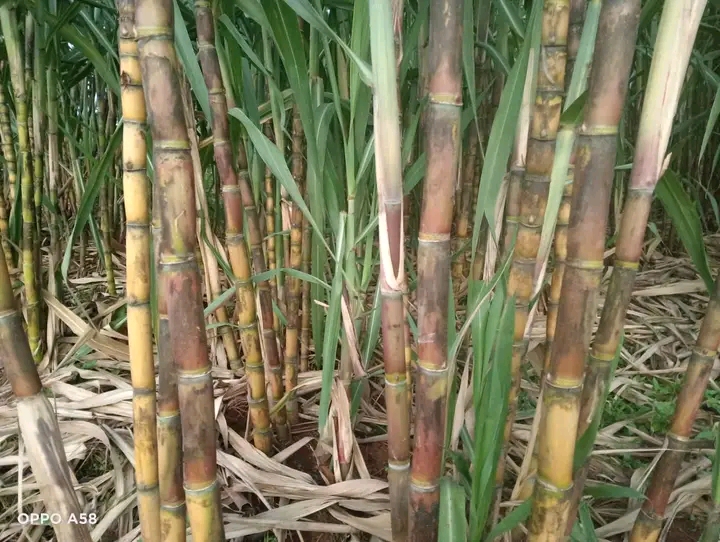
Sugar factories depend on a continuous supply of sugarcane from farmers. Any prolonged interruption in factory operations can affect cane harvesting, transportation, milling and payments to farmers.
Workers' unions have therefore warned that continued industrial action could disrupt an already fragile sugar sector. A stoppage at Chemelil and other factories could affect farmers who depend on the mills to process their cane and generate income.
The disruption could also affect transporters, cane cutters, suppliers, contractors and businesses operating around the sugar estates.
Government's position
The government has previously acknowledged that it bears responsibility for outstanding obligations arising from the restructuring of the State-owned sugar factories.
During the February negotiations, Agriculture Cabinet Secretary Mutahi Kagwe said the government accepted responsibility for the debts and that the arrears were not liabilities of the private millers. The government said payments would be made in phases as funds became available.
A parliamentary record from April 2026 also showed that the government had previously released funds in phases to address salaries and arrears but that additional funds were still required. The Agriculture Ministry attributed delays in some payments to the late receipt of Exchequer funds from the National Treasury.
This explains why the workers' union has continued putting pressure on the National Treasury and Agriculture Ministry to release the money.
What happens next
The immediate issue is whether the government will release the funds demanded by the workers and whether the union will maintain or suspend industrial action following further negotiations.
The union has made clear that its central demand is payment of outstanding dues. The government, meanwhile, has previously indicated that the obligations will be settled through phased payments subject to availability and budgetary processes.
For Chemelil, the outcome will be important not only for employees but also for the wider sugar-growing community. The factory's operations are connected to thousands of livelihoods through cane farming, transportation, processing and other economic activities.
The Chemelil dispute therefore reflects a broader challenge facing Kenya's sugar sector: how to balance the restructuring and revival of State-owned mills with the need to settle obligations owed to workers affected by the transition.
As of the latest reports available for October 2, 2026, the documented dispute concerns the broader sugar workers' industrial action over unpaid dues, with Chemelil among the affected factories. The most recent reports specifically available do not provide a separate, independently verified account of events inside Chemelil on October 2 itself, so claims about the exact number of Chemelil workers who have reported for duty or stopped work today should be treated cautiously.
Overall, the workers' action has brought renewed attention to the unresolved financial obligations created during the restructuring of Kenya's sugar industry. The workers are demanding payment of what they say they are legally and contractually owed, while the government faces pressure to release funds and implement the agreements reached with their union. The coming negotiations will determine whether the dispute is resolved through payment and dialogue or develops into a prolonged disruption of operations at Chemelil and other sugar factories.

You Might Also Like
-
Public Service Cabinet Secretary Geoffrey Ruku represented President William Ruto at the NYS passing-out parade at the Paramilitary Academy in Gilgil on October 2, 2026, where 15,363 recruits from the 01/2026 cohort graduated after six months of intensive training. The class included 11,527 men, 3,8
-
Rigathi Gachagua has arrived in Boston, Massachusetts, as he enters the final phase of his extensive United States tour, where he is engaging Kenyans in the diaspora on matters of national development, investment, leadership and Kenya’s political future. Accompanied by his wife, Pastor Dorcas Riga
-
Deputy President Kithure Kindiki's announcement in Kiambu on October 2, 2026, signals a renewed phase in the government's campaign against illicit and harmful alcoholic drinks. The fresh inspections will target alcohol manufacturing premises to determine whether they comply with health, safety, qual
-
Kenya has begun preparations to host the 2029 World Athletics Championships, with World Athletics official Pierce O’Callaghan inspecting Kasarani, Nyayo and Ulinzi Sports Complex to guide infrastructure upgrades ahead of the global event.
-
President William Ruto on October 2, 2026, presided over the issuance of about 5,000 title deeds to residents of Mombasa County at the Mama Ngina Drive Grounds, as part of a wider government programme aimed at resolving longstanding land ownership and squatter problems at the Coast. The Mombasa issu
-
Nairobi Governor Johnson Sakaja has given contractors 14 days to complete flood-control projects, as the county steps up efforts to improve drainage and tackle flooding across the city.