



Chesongoch Landslide Victims Cry Foul as Families Say They Were Left Out of Government Compensation
The concerns raised by landslide victims in Chesongoch have brought renewed attention to the challenges faced by communities recovering from natural disasters. The victims say they were left out of government compensation despite suffering losses, and they are calling for the authorities to review the process and ensure that eligible families are not overlooked. Their situation demonstrates that disaster response should not end with emergency rescue operations. Long-term recovery, compensation, reconstruction and restoration of livelihoods are equally important. The government can help restore confidence by conducting a transparent verification exercise, explaining the criteria used to select beneficiaries and providing a clear avenue for excluded victims to present their cases. For the people of Chesongoch, compensation represents more than financial assistance. It is an important part of rebuilding homes, restoring livelihoods and helping families recover from the effects of the landslides. Ensuring that genuine victims receive the support they deserve will be critical to the community's recovery and to strengthening public confidence in Kenya's disaster-response systems.
Victims of the deadly landslides in Chesongoch have raised concerns over what they describe as exclusion from government compensation and assistance intended for families affected by the disaster. The victims say they suffered major losses after the landslides destroyed homes, displaced families and disrupted livelihoods, yet some of those directly affected have allegedly not received the support they expected from the government. Their concerns have renewed calls for transparency, proper identification of beneficiaries and faster intervention for communities affected by natural disasters.
Victims raise compensation concerns
Residents affected by the landslides in Chesongoch have appealed to the government to review the list of beneficiaries considered for compensation and other forms of assistance. According to the victims, some families that experienced losses were not included in the compensation process despite having their homes, property and livelihoods affected.
The victims say the exclusion has left affected families struggling to rebuild their lives while watching other beneficiaries receive assistance.
For families that lost homes or sources of income, compensation is not simply a financial matter. It can determine whether a household is able to construct another home, replace essential property, purchase food or restart an economic activity.
The victims are therefore calling for the government to establish what happened during the identification and verification of people affected by the landslides.
Landslides caused devastating losses
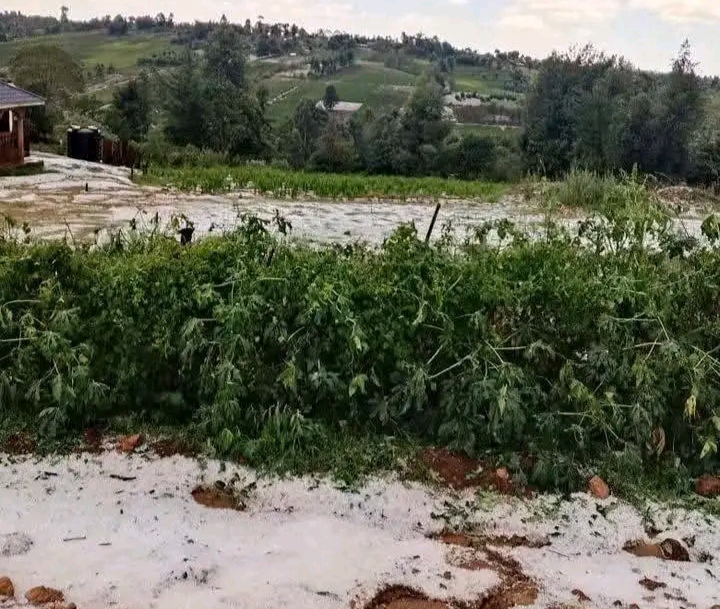
Landslides can have devastating consequences, particularly in areas where heavy rainfall saturates the soil and weakens slopes. Once large quantities of soil and debris begin moving downhill, homes, farms, roads and other infrastructure can be destroyed within a short period.
For Chesongoch residents, the impact has extended beyond the immediate destruction caused by the landslides.
Families whose houses were destroyed have had to find alternative places to live. Others have been forced to depend on relatives, neighbours or temporary arrangements while attempting to recover from the disaster.
Farmers can also suffer significant losses because landslides may destroy crops, livestock shelters and productive agricultural land. Where farming is the main source of household income, such losses can continue affecting families long after the rains have stopped.
The victims' concerns about compensation therefore come against a background of broader economic hardship.
Calls for fair identification of victims
One of the central issues raised by disaster victims in many parts of Kenya is the process used to identify people who qualify for government assistance.
Victims in Chesongoch are calling for a transparent verification exercise that can establish exactly which families suffered losses and the extent of those losses.
Such an exercise would ideally involve local administrators, county officials, national government representatives and community leaders. Residents themselves should also be given an opportunity to present evidence of the damage they experienced.
This is important because disasters can affect households differently.
One family may lose a house completely, while another may lose farmland or livestock. Another household may lose household goods or a source of income. A fair compensation programme must therefore consider the different forms of damage rather than relying on a single measure.
Families fear being forgotten
The affected residents say their greatest concern is that their situation could eventually be forgotten as attention shifts to other national issues.
Natural disasters often attract significant attention immediately after they occur. Government officials, humanitarian organisations and local leaders may visit affected areas, assess the damage and make commitments to assist victims.
However, recovery can take months or even years.
For families that lose their homes and livelihoods, the consequences do not end once emergency operations are completed. They continue facing expenses related to housing, food, education, healthcare and rebuilding.
The Chesongoch victims are therefore asking authorities to ensure that compensation and recovery programmes continue until all eligible victims have been addressed.
Compensation is important for recovery
Government compensation can play an important role in helping disaster victims rebuild their lives.
Financial support can enable affected families to repair or rebuild houses, replace household property and restart small businesses or agricultural activities.
For farmers, assistance may help them purchase seeds, livestock, farm equipment or other inputs needed to resume production.
For families with children, recovery support can also reduce the pressure caused by school expenses after a disaster.
The victims' complaints therefore highlight the importance of ensuring that government assistance reaches the people who actually suffered losses.
Need for transparency
Residents are also calling for transparency regarding the compensation process.
Where government funds are set aside for disaster victims, communities need clear information about the number of beneficiaries, the criteria used to identify them and the amount of assistance provided.
Transparency can help prevent misunderstandings and reduce suspicion among affected residents.
If some families were excluded because they did not meet specific requirements, authorities should clearly explain the reasons.
Similarly, if names were left out because of administrative errors, the government should provide a mechanism through which affected families can appeal and have their cases reviewed.
A transparent complaints mechanism would allow victims to raise concerns without having to depend entirely on political intervention.
Local leaders face pressure
The compensation concerns also place pressure on local leaders to advocate for their constituents.
Members of the community expect their elected representatives and administrators to communicate their concerns to the national government and relevant agencies.
Local leaders can help authorities identify affected families and ensure that information about government programmes reaches residents.
They can also assist in monitoring the implementation of recovery programmes.
For the Chesongoch community, continued engagement between residents and government officials could help resolve disagreements over the list of beneficiaries.
Disaster preparedness remains important
The situation also highlights the need for stronger disaster preparedness in areas vulnerable to landslides.
Kenya has experienced devastating floods and landslides during periods of intense rainfall. Communities living near steep slopes and areas with unstable soils can face particularly serious risks.
Early-warning systems can help residents move to safer locations before landslides occur.
Authorities can also identify high-risk areas and discourage settlement in locations that are particularly vulnerable.
In addition, maintaining drainage systems, protecting vegetation and improving land-use planning can contribute to reducing landslide risks.
However, preparedness does not eliminate the need to support people who have already suffered losses.
Government assessment should continue
The victims are seeking a fresh assessment of the situation to determine whether all affected households were properly captured.
A comprehensive assessment should document destroyed homes, damaged farmland, lost livestock, damaged businesses and other significant losses.
Authorities should also distinguish between immediate emergency assistance and longer-term compensation.
Emergency assistance may include food, shelter and medical support, while long-term recovery may involve rebuilding homes and restoring livelihoods.
Both forms of support are important.
Community involvement can improve the process
Residents should be involved in the compensation process because they are familiar with the families and properties affected by the disaster.
Community representatives can help authorities identify households that may have been overlooked.
At the same time, community involvement should be accompanied by proper verification to ensure that assistance reaches genuine victims.
The goal should be to create a process that is both inclusive and accountable.
Victims want action, not promises
For the Chesongoch victims, the most important issue now is action.
They want authorities to listen to their complaints, verify their claims and provide assistance where they qualify.
Disaster victims often face significant emotional and financial difficulties after losing their homes and livelihoods. Being excluded from assistance can deepen that hardship.
The residents' concerns therefore deserve careful consideration by the relevant government agencies.
A review of the compensation process could help establish whether families were mistakenly left out and, where necessary, correct the situation.

You Might Also Like
-
The five-sitting-day suspension of Kiharu MP Ndindi Nyoro marks a significant parliamentary disciplinary episode arising from his claims about investments in Kenya Pipeline Company shares. Nyoro alleged that public institutions including NSSF, PSSF and Kenya Re were pressured to invest in KPC, whil
-
Services at Kericho County Referral Hospital continue to play a critical role despite concerns among residents about the Ebola outbreak. The facility remains an important centre for emergency care, maternity services, diagnostics, specialised treatment and referrals, while county authorities continu
-
Heavy rains can have a significant impact on farmers in Bomet County. Although rainfall is essential for agriculture, excessive rain can damage crops, cause soil erosion, increase crop diseases, affect livestock, disrupt transportation and increase production costs. For farmers, the key challenge i
-
Deputy Inspector General Eliud Lagat's call for motorists to obey traffic rules underscores the urgent need for greater discipline and responsibility on Kenyan roads. Speeding, reckless overtaking, drunk driving, distracted driving and operating unroadworthy vehicles can turn ordinary journeys into
-
Kenya has intensified measures to contain Ebola after confirming an imported case of Bundibugyo Ebola Virus Disease, with the Ministry of Health hosting and coordinating an Ebola Incident Management Support Team to strengthen surveillance, contact tracing, laboratory testing, infection prevention an
-
President William Ruto presides over the certification ceremony at State House, Nairobi. A total of 3,750 beneficiaries receive Recognition of Prior Learning certificates. The programme recognises skills gained through practical experience and non-formal training. It provides workers with formal