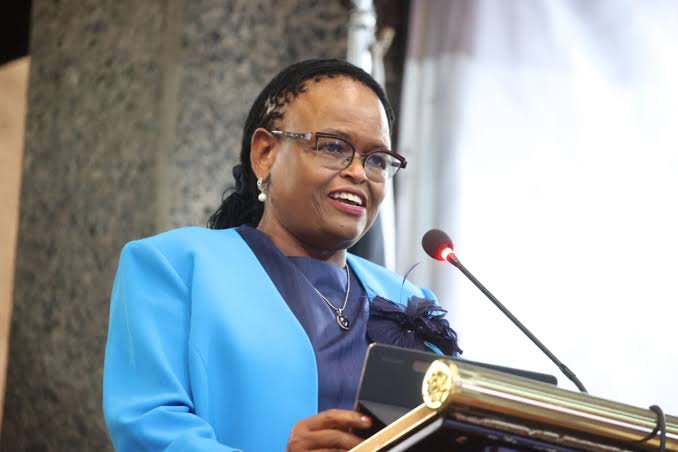
Chief Justice Koome calls for early preparations ahead of 2027 election disputes
Chief Justice Martha Koome has urged institutions responsible for resolving electoral disputes to strengthen their preparedness ahead of the 2027 General Election, calling for early planning, improved institutional capacity, staff training and efficient case management systems to ensure election-related disagreements are handled promptly. Her remarks highlight the importance of having a well-prepared electoral justice system capable of managing disputes that may arise before, during and after the general election. With political activities gradually gaining momentum, institutions handling electoral matters are expected to prepare for increased workloads and ensure they have the necessary personnel, resources and administrative structures to deliver timely decisions. Koome has emphasised that proper staff training and stronger case management systems will be essential in improving efficiency and preventing unnecessary delays in the resolution of election-related cases. The preparations are also aimed at ensuring that candidates, political parties and other affected stakeholders can access justice through established legal procedures. Electoral disputes may involve party nominations, candidate eligibility, electoral procedures, vote counting and the declaration of results. Their timely resolution is critical in maintaining public confidence, protecting democratic rights and ensuring that disagreements are addressed through lawful channels rather than escalating into political tensions. The call also places renewed attention on the role of the judiciary and other electoral institutions in safeguarding the credibility of Kenya's democratic process. As the country approaches the 2027 polls, institutional readiness, independence and accountability will remain central to ensuring that electoral disputes are handled fairly and within the timelines provided by law.
Chief Justice Martha Koome has called on institutions responsible for resolving electoral disputes to begin preparations early for the 2027 General Election, emphasising the importance of institutional readiness, adequate staffing, professional training and efficient case management in ensuring that election-related disagreements are handled within the required timelines.
Her remarks highlight the need for Kenya's electoral justice system to prepare adequately for the challenges that often emerge during election periods. With the country expected to hold its next General Election in 2027, the Chief Justice has stressed that institutions entrusted with handling electoral disputes must strengthen their capacity before political activities and campaigns reach their peak.
The call comes as political parties, aspirants and other stakeholders gradually turn their attention to the next electoral contest. As preparations gather momentum, questions surrounding the management of elections, the handling of disputes and the protection of electoral rights are expected to become increasingly important.
Electoral disputes are a common feature of competitive democratic processes. They may arise from disagreements over nominations, voter registration, campaign activities, electoral procedures, counting of votes, declaration of results and the conduct of candidates or political parties. Such disagreements require established legal mechanisms through which affected parties can seek justice.
The timely resolution of these cases is particularly important because prolonged disputes can create uncertainty among candidates, political parties and voters. When electoral disagreements remain unresolved for extended periods, they may affect public confidence in institutions and create unnecessary tensions within communities.
Koome's emphasis on early preparations reflects the importance of ensuring that dispute resolution bodies are not caught unprepared when election-related cases begin reaching their offices. Institutions responsible for handling such matters must have the personnel, resources, infrastructure and administrative systems required to manage potentially large numbers of cases.
One of the key areas highlighted in the preparations is institutional readiness. Electoral dispute resolution bodies need to assess their existing capacity and identify areas that may require improvement before the election period begins. This includes reviewing internal procedures, strengthening administrative structures and ensuring that the institutions can respond effectively to increased demands.
The importance of institutional preparedness cannot be overlooked, particularly during an election period when several disputes may arise within a short time. Courts and other relevant bodies may be required to handle cases involving different candidates, constituencies, political parties and electoral processes. Without adequate preparation, the increased workload could place pressure on available resources and affect the speed at which cases are handled.
Strengthening staff capacity is another important aspect of the preparations. Employees working within institutions responsible for resolving electoral disputes need to understand the legal framework governing elections and the procedures involved in handling different categories of cases.
Training can help officers improve their understanding of electoral laws, judicial processes, evidence management and the administrative requirements associated with election-related litigation. It can also promote consistency in the way cases are received, processed and handled.
The Chief Justice's call for staff training highlights the need to invest in human resources before the election period becomes demanding. Institutions cannot rely entirely on existing procedures without ensuring that the people responsible for implementing them have the necessary knowledge and skills.
Electoral disputes often involve strict timelines and complex legal questions. Staff members must therefore be familiar with the procedures governing the filing of cases, submission of documents, service of court papers and preparation of matters for hearing. Any weaknesses in these processes could contribute to delays and complications.
Case management has also emerged as a central consideration in preparations for the 2027 General Election. Efficient case management systems are necessary to ensure that disputes are registered, organised, scheduled and processed in an orderly manner.
A well-functioning case management system can help institutions monitor the progress of cases, identify matters requiring urgent attention and reduce unnecessary administrative delays. It can also support better coordination between judicial officers, registry staff, advocates and other parties involved in electoral litigation.
Technology is increasingly important in improving the administration of justice. Digital systems can support the filing of court documents, tracking of cases, communication between parties and management of court schedules. When properly implemented, such systems can reduce paperwork, improve access to information and make it easier for institutions to monitor their workloads.
However, the effectiveness of digital systems depends on adequate infrastructure, trained personnel and reliable administrative support. Institutions must ensure that technological solutions are accessible and that staff members understand how to use them effectively.
The need for timely dispute resolution is particularly significant because election-related cases can influence important stages of the electoral process. Disagreements arising during party nominations, for example, may determine whether particular candidates are eligible to participate in an election. If such cases are not addressed within the relevant timelines, affected aspirants could face uncertainty as the election process progresses.
Similarly, disputes involving electoral procedures and results require prompt attention to ensure that parties have access to legal remedies. The law provides mechanisms for challenging electoral decisions, but those mechanisms must operate effectively if they are to serve their intended purpose.
Kenya's electoral framework places importance on the right of citizens to participate in democratic processes and seek legal redress where they believe their rights have been violated. The Constitution establishes principles that guide elections, including fairness, transparency, accountability and the protection of democratic participation.
Institutions responsible for resolving electoral disputes play an important role in upholding these principles. Their work helps ensure that disagreements are addressed through established legal procedures rather than through confrontation or other unlawful means.
The judiciary, in particular, has an important responsibility in interpreting electoral laws and determining disputes brought before it. Through its decisions, the courts help clarify legal requirements, resolve disagreements and reinforce the importance of constitutional compliance.
However, the responsibility for ensuring credible elections does not rest with the judiciary alone. Electoral management institutions, political parties, candidates, security agencies, civil society organisations and voters all have important roles to play in maintaining confidence in the democratic process.
Political parties are expected to comply with the law when conducting internal nominations and selecting candidates. Aspirants must also respect established procedures and seek legal remedies where they believe an electoral decision has been made unfairly.
The electoral management body has a responsibility to administer elections in accordance with the Constitution and relevant legislation. This includes ensuring that electoral processes are conducted transparently and that decisions made during the election period can withstand legal scrutiny.
When these institutions perform their responsibilities effectively, they can help reduce the number of disputes that arise and ensure that disagreements are addressed through appropriate channels.
Early preparation by dispute resolution bodies may also help promote public confidence in the electoral process. Voters need assurance that institutions are ready to address complaints and that individuals who believe they have been treated unfairly can access justice.
Public confidence is an important part of democratic stability. Citizens are more likely to respect electoral outcomes when they believe that the institutions overseeing elections and resolving disputes are independent, prepared and capable of performing their responsibilities.
The importance of preparedness is also linked to the possibility of increased political activity as the 2027 General Election approaches. Competition for elective positions is expected to involve candidates from different political parties and formations, with disagreements potentially emerging at various stages of the process.
The nomination period could be particularly demanding for institutions handling electoral disputes. Political parties often conduct competitive nomination exercises, and disagreements may arise over candidate selection, membership records, eligibility requirements and the procedures used to determine nominees.
Such cases require careful consideration because they can affect the ability of aspirants to participate in the general election. Efficient dispute resolution mechanisms can help ensure that these matters are addressed without unnecessary delays.
Another area that may require attention is the management of disputes arising from the final election results. Following the declaration of results, candidates who believe that an election was not conducted in accordance with the law may seek legal intervention through the appropriate channels.
These cases can involve detailed examination of electoral records, procedures, evidence and legal arguments. Institutions must therefore have the necessary capacity to handle complex matters while observing the timelines established by law.
Adequate preparation can also help reduce pressure on judicial officers and administrative staff during periods when several cases may be filed simultaneously. By strengthening their systems in advance, institutions can improve coordination and allocate resources more effectively.
The Chief Justice's remarks therefore place emphasis on prevention and preparedness rather than waiting until disputes emerge before taking action. Building institutional capacity early can help identify weaknesses and provide sufficient time to address them before the election period reaches its busiest stage.
The preparations will also require cooperation among different institutions involved in the electoral justice system. Effective communication and coordination can help prevent administrative confusion and ensure that cases are handled by the appropriate bodies.
As Kenya moves closer to the 2027 General Election, the readiness of institutions responsible for resolving electoral disputes will remain an important part of the wider electoral preparations. The ability to address disagreements promptly and fairly could have a significant influence on public confidence in the country's democratic institutions.
Koome's call serves as a reminder that credible elections require more than the organisation of voting activities. They also depend on strong legal and institutional systems capable of addressing disputes whenever they arise.
The focus on staff training, institutional preparedness and efficient case management highlights the practical steps that must be taken to strengthen the electoral justice system. These measures are intended to ensure that election-related disagreements are not allowed to remain unresolved because of administrative weaknesses or inadequate institutional capacity.
With the next general election approaching, the expectation is that relevant institutions will use the available time to improve their operations, equip their personnel and strengthen the systems required to handle electoral cases.

You Might Also Like
-
Linda Mwananchi Movement leader and Nairobi Senator Edwin Sifuna is set to begin his United States tour in New Jersey, where he will officially open the movement’s diaspora office as part of efforts to strengthen its presence and organisational structures among Kenyans living abroad. The planned v
-
Medical Services Principal Secretary Ouma Oluga has called for expanded access to HIV prevention services, particularly among populations considered to be at higher risk of infection, as the government intensifies efforts to strengthen the country’s response to HIV. Oluga emphasised the need to en
-
Education Cabinet Secretary Julius Ogamba has reaffirmed the government’s commitment to strengthening girls’ education across the country through expanded access to quality learning, competency-based education, scholarships, mentorship programmes and stronger school re-entry policies. The commit
-
The Teachers Service Commission (TSC) has dismissed allegations of tribalism raised by former Deputy President Rigathi Gachagua over the appointment of Cheptumo Ayabei as its new Chief Executive Officer, maintaining that the recruitment exercise was conducted through a transparent, professional and
-
Head of Public Service Felix Koskei has announced that this year’s Jamhuri Day celebrations will focus on showcasing how investments in infrastructure and innovation are contributing to Kenya’s economic transformation. The celebrations will highlight the role of development projects in creating
-
Medical Services Principal Secretary Ouma Oluga has called for stronger collaboration among government departments to strengthen the implementation of health sector programmes, emphasising that investment in healthcare is essential to improving the well-being of Kenyans and supporting sustainable ec