Citizen TV Journalist Francis Ode Arrested While Covering Fuel Price Protests in Nairobi
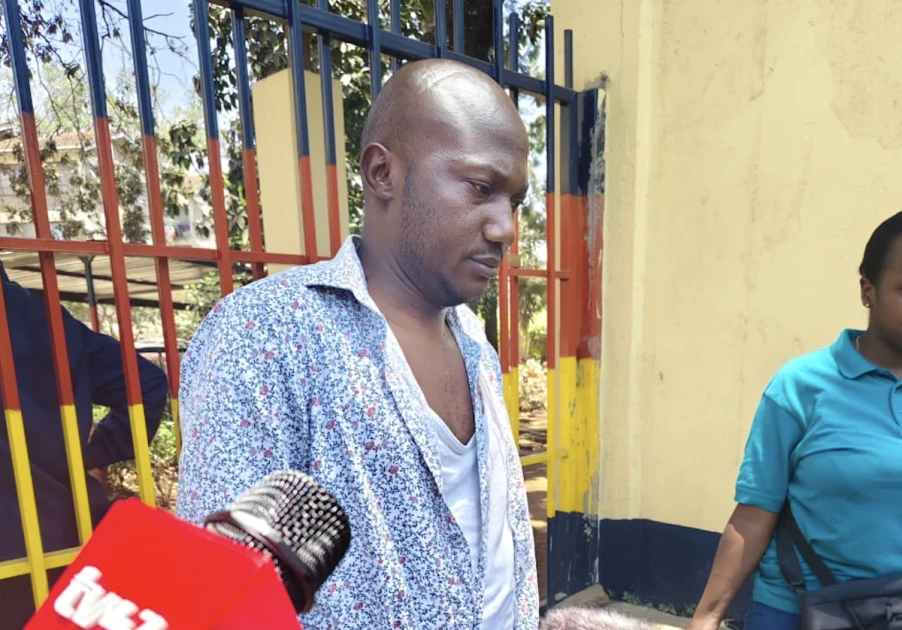
Citizen TV journalist Francis Ode was arrested in Nairobi while covering protests against rising fuel prices along Kimathi Street in the Central Business District. He was reportedly roughed up alongside activists participating in the demonstrations. The incident has raised concerns about the safety of journalists covering public protests and the challenges they face while reporting on issues affecting Kenyans. The demonstrations centred on the high cost of fuel and its impact on transport expenses and the general cost of living, Stay tuned to Aasai TV Kenya for more news and updates on developments across the country.
The arrest of Citizen TV journalist Francis Ode in Nairobi has drawn attention to the challenges faced by journalists while covering public demonstrations and other unfolding events. Ode was reportedly arrested on Tuesday afternoon while on assignment in the Nairobi Central Business District, where he was covering protests against rising fuel prices.
The journalist was working along Kimathi Street, one of the areas where activists had gathered to express their dissatisfaction with the high cost of fuel and its impact on the cost of living. During the protests, Ode was reportedly roughed up alongside some of the activists participating in the demonstrations before being arrested by police officers.
The incident occurred as demonstrators took to the streets to raise concerns about increasing fuel costs and the financial pressure facing ordinary Kenyans. The protests brought renewed attention to the relationship between fuel prices, household expenses, transport costs, and the prices of essential goods and services.
Ode's arrest has also raised questions about the working conditions of journalists covering demonstrations in busy urban centres, where tensions between protesters and law enforcement officers can escalate quickly.
Journalist Arrested While on Assignment
According to the information available, Ode was carrying out his professional duties when police arrested him in Nairobi's Central Business District. He had been assigned to cover the demonstrations against rising fuel prices, an issue that has continued to attract public attention because of its wider economic implications.
Journalists covering protests play an important role in documenting events as they unfold, interviewing participants, recording developments, and communicating information to the public. Their presence helps audiences understand the reasons behind demonstrations and the concerns raised by those taking part.
However, reporting from protest scenes can expose journalists to unpredictable situations, particularly when crowds gather in large numbers and police officers move in to manage demonstrations.
In Ode's case, the reported confrontation along Kimathi Street placed him in the same tense environment as the activists who had assembled to protest the high cost of fuel. He was reportedly roughed up before being taken into police custody.
The circumstances surrounding the arrest, including the specific reasons for his detention and any subsequent developments, were not detailed in the initial account.
Protests Over Rising Fuel Prices
The demonstrations in Nairobi centred on concerns about high fuel prices and the financial burden they place on households, businesses, transport operators, and other sectors of the economy.
Fuel is a key component of Kenya's economic activity. It powers vehicles used to transport people and goods, supports commercial operations, and contributes to the cost of producing and distributing essential commodities.
When fuel prices rise, the effects can extend beyond motorists and public transport operators. Businesses that depend on transportation may face higher operating expenses, while traders can experience increased costs when moving goods from suppliers to markets.
These additional expenses may eventually be reflected in the prices consumers pay for food, construction materials, household products, and other necessities.
For many households, rising transport costs can also reduce the amount of money available for other needs, including education, healthcare, rent, and food. Such pressures can generate public frustration, particularly among people already struggling to manage limited incomes against growing expenses.
The protesters who gathered along Kimathi Street sought to draw attention to these concerns and express their dissatisfaction with the high cost of fuel.
Public demonstrations provide one avenue through which citizens and organised groups can communicate their grievances and demand responses to issues affecting their daily lives.
Incident Along Kimathi Street
Kimathi Street, located in Nairobi's Central Business District, was among the areas where the protests took place. The presence of demonstrators and police officers created a tense atmosphere as the situation unfolded.
Ode was covering the demonstrations when he was reportedly roughed up alongside activists who had gathered to oppose the fuel price increases.
The reported incident highlights the risks associated with covering demonstrations in crowded public spaces. Journalists often need to position themselves close enough to capture clear footage, obtain interviews, and understand what is happening. At the same time, they must navigate moving crowds, police operations, and rapidly changing circumstances.
When confrontations occur, it can become difficult for reporters to continue their work safely.
For media organisations, incidents involving journalists on assignment can disrupt coverage and raise concerns about the safety of staff working in the field. Such situations may also affect the ability of newsrooms to provide timely accounts of significant public events.
The reported arrest of Ode therefore forms part of a wider discussion about the protection of media practitioners and the conditions under which they carry out their responsibilities during public demonstrations.
The Role of Journalists During Demonstrations
Journalists serve as a link between events taking place on the ground and members of the public who depend on news reports for information.
During demonstrations, reporters document the size and nature of gatherings, explain the issues motivating participants, and report on the actions taken by authorities. They may also interview protesters, business owners, security personnel, and other individuals affected by the events.
This work allows audiences to hear different perspectives and better understand the circumstances surrounding public protests.
Reporting from demonstrations can, however, present unique challenges. Crowds may move unexpectedly, tensions can rise, and access to certain areas may change as police officers respond to developing situations.
Journalists must also work under time pressure, particularly when reporting for live television broadcasts or providing updates for digital platforms.
The reported treatment of Ode during the Nairobi demonstrations highlights the importance of ensuring that journalists can carry out their assignments without being exposed to unnecessary harm.
At the same time, journalists remain responsible for following professional standards, verifying information, and reporting events accurately, even in difficult circumstances.
Media Freedom and Public Interest
The arrest of a journalist while covering a public demonstration brings media freedom into focus. Access to information and the ability of journalists to report on matters of public interest are important elements of an informed society.
Fuel prices are a subject of significant public interest because they influence the cost of transportation, the movement of goods, and the financial wellbeing of households and businesses.
When citizens organise demonstrations over such matters, news coverage can help explain the reasons behind their concerns and provide a record of what happens during the protests.
Journalists' safety is therefore an important consideration whenever public demonstrations take place. Reporters should be able to identify themselves, gather information, and document events while observing applicable laws and legitimate safety instructions.
Where arrests occur, clear information about the reasons for detention and the subsequent legal process can help establish the circumstances surrounding the incident.
In Ode's case, the initial account stated that he was arrested while covering the protests and was roughed up alongside activists. Further details would be needed to establish the full sequence of events, the reasons given for his arrest, and what happened after he was taken into custody.
Rising Cost of Living Remains a Public Concern
The protests also reflect broader concerns about the cost of living in Kenya. For many citizens, changes in the prices of essential commodities have direct consequences for household budgets.
Transport expenses are particularly important for workers and students who rely on public service vehicles to travel daily. An increase in operating costs can place pressure on fares, making routine journeys more expensive.
Businesses that transport agricultural produce, manufactured goods, and other commodities may also face higher expenses. These costs can affect their profit margins or contribute to price increases for consumers.
Small-scale traders and informal-sector workers may be especially sensitive to such changes because their earnings can fluctuate while everyday expenses remain difficult to avoid.
As a result, fuel prices frequently become part of wider discussions about economic policy, taxation, public spending, and measures intended to protect households from financial pressure.
The demonstrations along Kimathi Street brought these issues into the public space, with activists using the protest to express their dissatisfaction.
The arrest of Ode added another dimension to the unfolding events, shifting attention to the treatment of journalists covering the demonstrations.
Calls for Clarity Following the Arrest
The circumstances surrounding Ode's arrest remain central to understanding the incident. Important questions include the reasons police gave for detaining him, whether he was formally informed of those reasons, and whether any charges were brought against him.
Details about his condition following the reported rough handling and his status after the arrest would also help provide a clearer picture of what transpired.
Such information is important for establishing an accurate account and avoiding speculation about events that have not been fully explained.
The incident also underscores the importance of communication between law enforcement agencies and media organisations when journalists are involved in incidents during public demonstrations.
Clear procedures can help reduce misunderstandings and ensure that legitimate policing responsibilities are carried out alongside respect for journalists' professional duties and applicable legal protections.
As Nairobi continues to host demonstrations over issues affecting the public, the safety of everyone present remains important, including protesters, journalists, members of the public, and police officers.
Citizen TV journalist Francis Ode was reportedly arrested on Tuesday afternoon while covering protests against rising fuel prices in Nairobi's Central Business District.
Ode was on assignment along Kimathi Street when the demonstrations took place. He was reportedly roughed up alongside activists who were protesting the high cost of fuel before being arrested by police officers.
The incident has highlighted both the public frustration surrounding fuel prices and the challenges journalists face while reporting from demonstrations.
As concerns about the cost of living continue to feature in public debate, the events in Nairobi underscore the importance of accurate reporting, the safety of media practitioners, and transparency in the handling of arrests during public demonstrations.

You Might Also Like
-
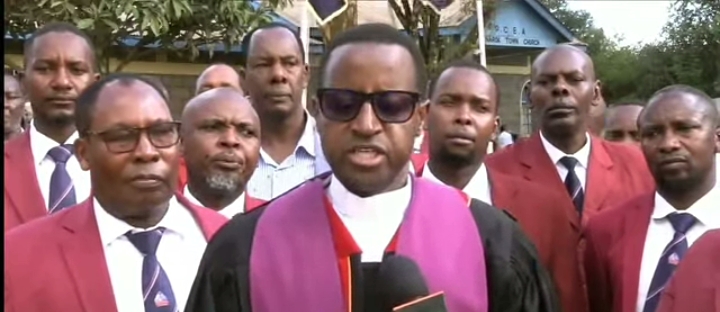
The decision by the PCEA congregation in Narok to break a longstanding taboo restricting unmarried men from church leadership marks a notable development in local religious life.A report on October 20 and another on October 19, 2026, the move challenges a tradition that treated marriage as a pre
-
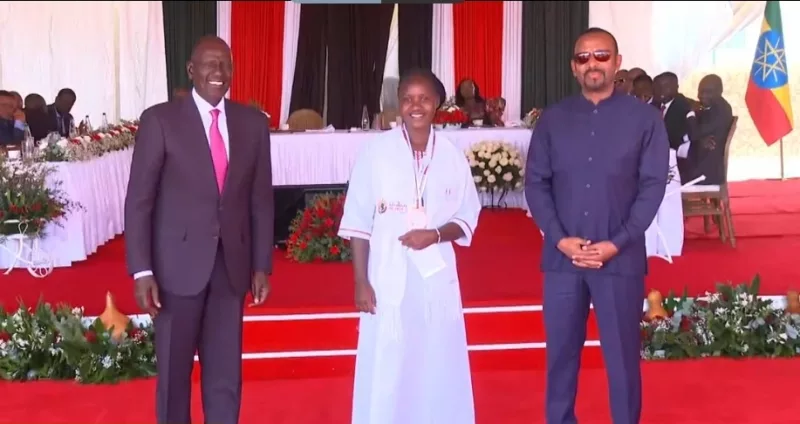
President William Ruto has honoured nurse Jacobeth Jeptoo for her courage, compassion, and selfless service following the tragic February helicopter crash in Nandi County that claimed the lives of Emurua Dikirr MP Johana Ng’eno and five other people. The recognition highlights the vital role playe
-
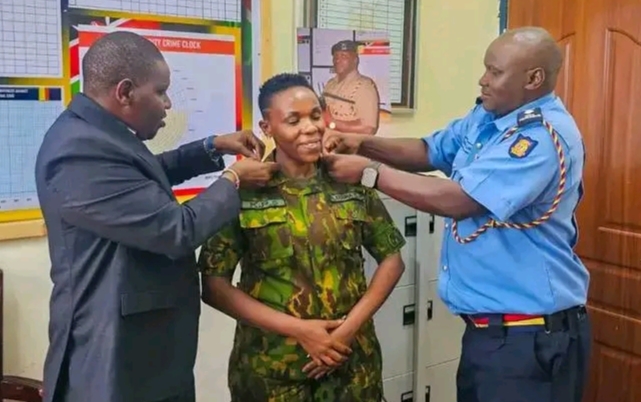
Inspector General Douglas Kanja's approval of promotions for 1,948 police officers marks a significant development in Kenya's police administration following the Court of Appeal's October 16, 2026, judgment. The ruling resolved a major dispute over the authority to manage uniformed police officers,
-
Governor Jonathan Bii's speech during the October 20, 2026, Mashujaa Day celebrations in Eldoret placed the protection of fertile agricultural land and support for farmers at the centre of an important national discussion. His appeal was for Kenyans to balance the growing demand for housing with th
-
Ethiopian Prime Minister Abiy Ahmed's address at the 2026 Mashujaa Day celebrations in Eldoret centred on a clear message: Kenya and Ethiopia should transform their historical friendship into shared economic progress. He called for stronger trade, improved opportunities for farmers and producers, c
-
President William Ruto has praised Kenya’s broad-based government, commending leaders who set aside political differences to promote cooperation and national development. He noted that the partnership demonstrates how political competition can coexist with collective efforts to address the country