Cleophas Malala Dismisses Claims of Being Sidelined in DCP
DCP Deputy Party Leader Cleophas Malala has dismissed claims that he is being sidelined within the party, insisting that he remains confident in his leadership position. He has maintained that the growing influence of Nyandarua Senator John Methu does not threaten his role in the political outfit. His remarks come amid discussions about leadership dynamics and the distribution of responsibilities within DCP. The comments have drawn attention to the relationship between senior party officials as the organisation strengthens its structures ahead of the 2027 General Election. Malala's position also highlights the importance of unity and cooperation among leaders with different political backgrounds. Attention now turns to how DCP will manage its leadership dynamics as it prepares for the next electoral contest.
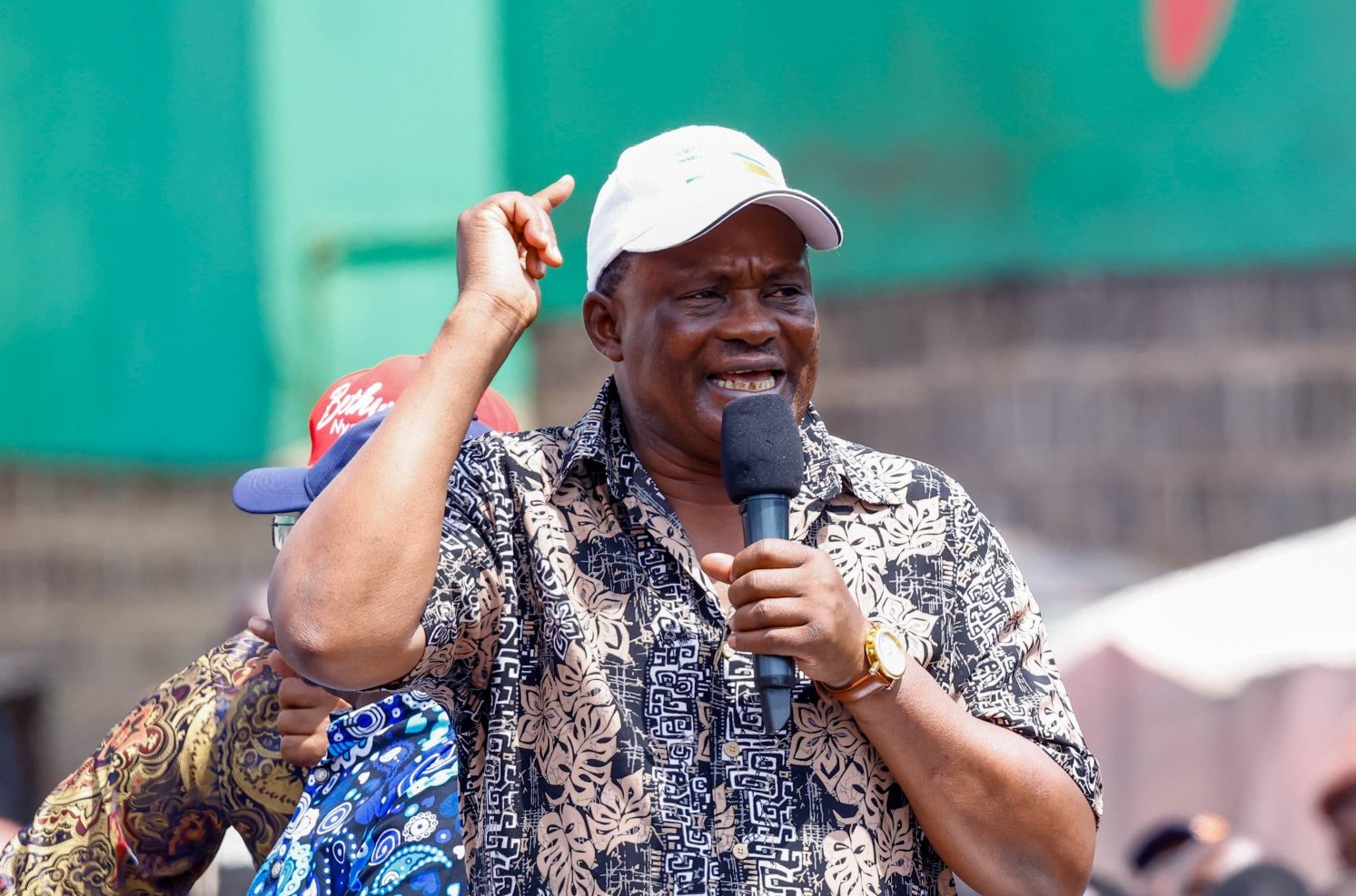
The Democracy for the Citizens Party (DCP) Deputy Party Leader Cleophas Malala has dismissed claims that he is being pushed aside within the party, maintaining that he remains confident about his position and is not threatened by the growing influence of Nyandarua Senator John Methu.
Malala's remarks come amid increasing attention on the internal leadership structure of DCP and the roles played by different political figures as the party continues to strengthen its presence ahead of the 2027 General Election. His response has drawn attention to questions surrounding leadership, influence and the distribution of responsibilities within the political outfit.
Political parties often experience changes in influence as new leaders emerge and existing members take on different responsibilities. Such developments can sometimes trigger speculation about internal competition, especially when prominent figures begin attracting attention from supporters and political observers. However, Malala has dismissed suggestions that Methu's growing role presents a challenge to his position.
The former Kakamega Senator has maintained that he is not worried about the attention surrounding Methu, indicating that the emergence of influential leaders should not automatically be interpreted as a threat to other members of the party. His position suggests confidence in his place within DCP and a willingness to coexist with other leaders pursuing their political responsibilities.
The remarks also highlight the importance of cooperation among senior party officials. Political organisations rely on different leaders to mobilise supporters, communicate party positions, organise grassroots structures and promote their political agenda. Each individual may have a different level of public visibility, but that does not necessarily mean that one leader is replacing another.
Malala's comments come at a time when DCP is seeking to establish itself as a significant player in Kenya's political landscape. The party has attracted attention through its association with opposition politics and its efforts to bring together leaders with different political backgrounds. Its ability to maintain unity among its senior officials could play an important role in determining its influence in the coming election cycle.
The relationship between party leadership and individual political ambitions remains an important issue in Kenya's multiparty democracy. Senior officials are expected to work together while maintaining their own political identities and engaging with supporters in different regions. Balancing these responsibilities requires clear communication and an understanding of the party's overall objectives.
Methu's growing influence within DCP has become a subject of political discussion, particularly because of his position as an elected senator from Nyandarua County. His involvement in the party places him among the leaders whose activities and public statements are likely to attract attention as political preparations for 2027 intensify.
As an elected senator, Methu has a political platform through which he can engage with national issues, represent his constituents and participate in discussions about the country's leadership. His visibility within DCP may therefore reflect the growing involvement of different political figures in shaping the party's direction.
However, Malala's response indicates that he does not view the senator's growing prominence as a reason for concern. His remarks challenge the suggestion that influence within a political party must be limited to a few individuals. Instead, they point to the possibility of several leaders playing important roles while supporting a common political agenda.
The debate surrounding Malala and Methu also raises questions about how political parties manage internal expectations. Members who occupy senior positions may have different responsibilities, ambitions and approaches to political mobilisation. Without effective coordination, these differences can create misunderstandings and fuel claims of internal divisions.
For DCP, maintaining a stable leadership structure will be important as the party continues to organise its activities. A united leadership can help the party communicate consistent messages, attract new members and build confidence among supporters. On the other hand, prolonged disagreements among senior officials could affect public perception and weaken efforts to establish strong grassroots networks.
Malala's decision to publicly dismiss claims of being sidelined may therefore be viewed as an effort to address speculation about his position. By stating that he is not threatened by Methu's growing role, he has sought to present the party's leadership dynamics as something that should not be reduced to a contest for influence.
His remarks also underline the importance of political experience and established networks within party structures. Leaders who have held elected positions or served in senior political offices often bring different strengths to an organisation. These may include experience in parliamentary affairs, grassroots mobilisation, public communication and political negotiations.
Methu's growing profile and Malala's position as deputy party leader represent different aspects of political influence. While an elected senator has a direct mandate from voters, a deputy party leader holds an organisational responsibility within the political party. Both positions can contribute to the party's growth, although their duties and sources of influence may differ.
The discussion comes against the background of growing political activity ahead of the 2027 General Election. Across the country, political leaders are increasingly engaging in consultations, party mobilisation and discussions about possible alliances. Political organisations are also assessing their strengths, regional support bases and strategies for attracting voters.
For DCP, the coming months could be important in defining its political identity and strengthening its structures. The party will need to demonstrate that it can accommodate leaders with different ambitions while maintaining a common direction. Its ability to manage internal relationships may influence how voters and potential political partners view its readiness to participate in the next election.
Kenya's political environment has historically been shaped by alliances involving leaders from different regions and political backgrounds. Such arrangements require negotiations and compromises, particularly when several influential figures seek positions within the same political organisation. Maintaining unity is therefore an important responsibility for party officials.
Malala's remarks suggest that he is comfortable with the presence of other influential personalities within DCP. Rather than interpreting Methu's growing role as a personal challenge, he has dismissed the claims that his own position is under threat. This response may help calm speculation about possible disagreements within the party's senior ranks.
At the same time, political observers are likely to continue monitoring the relationship between prominent DCP figures. Their public engagements, party activities and contributions to political discussions could provide further indications of how responsibilities are shared within the organisation.
The party's grassroots structures will also remain central to its ambitions. Political influence at the national level must often be supported by consistent engagement with voters at the county, constituency and ward levels. Leaders are expected to mobilise supporters, communicate policies and explain the party's position on issues affecting ordinary Kenyans.
DCP's ability to attract and retain influential leaders could strengthen its national visibility. However, the party will also need to ensure that its growth is supported by clear organisational arrangements and a shared political programme. Leadership cooperation will be essential in translating public attention into meaningful political support.
The question of whether Malala is being sidelined may also reflect the wider competition for visibility that often emerges within political parties. When several leaders become active in public engagements, their influence can be compared by supporters and political commentators. Such comparisons may create perceptions of rivalry even when the individuals involved have not publicly declared any disagreement.
Malala's response has sought to separate his position from those perceptions. By dismissing claims of being threatened by Methu, he has indicated that the senator's prominence does not diminish his confidence in his own leadership role. His remarks also suggest that he expects different leaders to contribute to the party without necessarily competing against one another.
As the 2027 election approaches, DCP will face the task of presenting a coordinated political message to Kenyans. This will involve identifying its priorities, strengthening party structures and building relationships with communities across the country. The leadership will also have to address questions about its political alliances and the roles individual officials will play in the wider campaign.
The party's senior officials will be expected to demonstrate that internal differences can be managed through consultation and cooperation. Political parties that successfully accommodate competing interests are often better positioned to maintain stability and pursue long-term objectives.
For Malala, the immediate message is that he does not feel threatened by the growing role of Methu within DCP. His dismissal of the sidelining claims places emphasis on confidence and the need for cooperation among party leaders. Whether the two figures will continue to work closely as the party advances its political agenda remains a matter of interest to supporters and observers.
DCP's future influence will depend not only on the prominence of individual leaders but also on the strength of its structures, the clarity of its political agenda and its ability to maintain unity. As preparations for the 2027 General Election gather momentum, the party's leadership will face increasing expectations to demonstrate cohesion and provide a clear direction.
Malala's remarks have therefore added to the ongoing discussion about leadership and influence within DCP. By dismissing claims that he is being sidelined, he has maintained that Methu's growing prominence does not threaten his position as deputy party leader. The focus now remains on how the party's senior officials will work together to strengthen the organisation and advance its political ambitions ahead of the next General Election.

You Might Also Like
-
A court has summoned Inspector General of Police Douglas Kanja to appear and provide information regarding the alleged abduction of Tanzanian activist Twaha Mwaipaya. The police chief is expected to clarify what the National Police Service knows about the incident and the steps taken to establish th
-
A Nairobi court has ordered four suspects arrested in connection with the murder of 86-year-old Dorita Macharia to remain in police custody for 10 days as detectives continue investigations. The suspects, Thande Malaika Gitau, Emmanuel Munyeki, Jimmy Macharia and Regina Wangui Macharia, will be held
-
 The accident along the Narok-Nakuru Highway near Enengetia Centre has left six people dead and five others seriously injured, marking another painful moment for families affected by road tragedies in Kenya. The Isuzu FRR lorry was travelling from Nakuru towards Narok when it reportedly lost control
-
Former Mombasa Governor Ali Hassan Joho has declared that the next President of Kenya after William Ruto should come from the Orange Democratic Movement (ODM). His remarks have reignited discussions about ODM's presidential ambitions and its political direction ahead of the 2027 General Election. Jo
-
CS Geoffrey Ruku's impromptu visit to government offices in Kajiado on November 2, 2026, has renewed the national conversation about accountability and discipline in the public service. The reported discovery that more than 70 per cent of public servants were absent from their workstations, alongsi
-
Democratic Party of Kenya leader Justin Muturi has urged opposition leaders to put aside personal ambitions, political supremacy battles and internal disagreements as they prepare for the 2027 General Election. Muturi maintains that no single politician or community can independently secure the pres