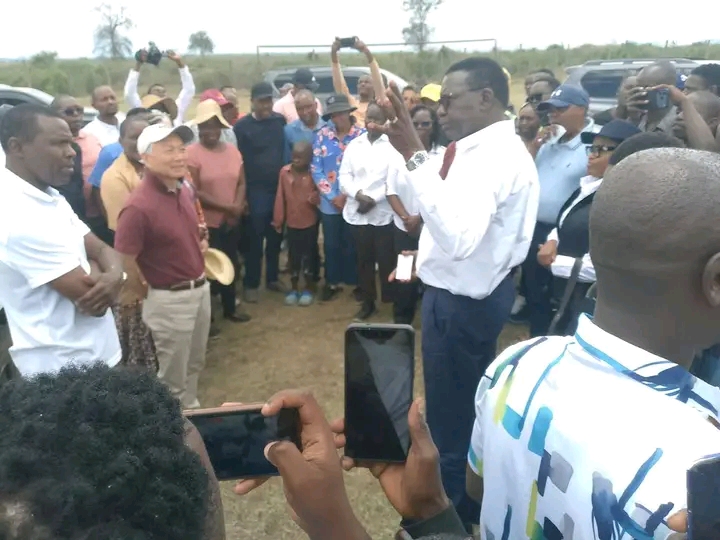
CS Davis Chirchir, Chepalungu MP Victor Koech and World Bank Officials Visit Chebole–Siongiroi–Labotiet–Gorgor Road as Major Upgrade Plans Advance
The reported site visit involving Roads and Transport Cabinet Secretary Davis Chirchir, Chepalungu MP Victor Koech and World Bank officials highlights the importance of rural road connectivity in Bomet County and the wider South Rift region. The proposed Chebole–Siongiroi–Labotiet–Gorgor improvements form part of a documented 143-kilometre road network being prepared under the World Bank-supported Roads for Rural Economic Development Project. The programme's feasibility studies and engineering design are important steps towards determining the technical requirements for future works. For residents, the main expectation is a safe, reliable and durable road that improves access to markets, schools, health facilities and other essential services. The ultimate measure of progress will be the completion of the necessary project stages, transparent implementation and the delivery of infrastructure that meets the needs of communities along the route.
The proposed upgrading of the Chebole–Siongiroi–Labotiet–Gorgor road is an important infrastructure development for residents of Bomet County and neighbouring areas, with the potential to improve transport, support agricultural trade and strengthen connections between rural communities. The road forms part of a wider 143-kilometre road network identified under Kenya's Roads for Rural Economic Development Project (RREDP), which has received World Bank support for project preparation and engineering consultancy. A site visit involving Roads and Transport Cabinet Secretary Davis Chirchir, Chepalungu Member of Parliament Victor Koech and World Bank officials brings attention to the importance of coordination between the national government, local leadership and development partners in advancing rural road infrastructure.
The proposed project is particularly significant for residents who depend on the road to reach markets, schools, hospitals, trading centres and other essential services. However, it is important to distinguish between the reported site visit and the project's documented preparation stages. Publicly available project information confirms the wider road network's inclusion in a World Bank-supported programme, but the precise announcements, commitments and construction timelines associated with the particular visit require further official confirmation.The proposed project is particularly significant for residents who depend on the road to reach markets, schools, hospitals, trading centres and other essential services. However, it is important to distinguish between the reported site visit and the project's documented preparation stages. Publicly available project information confirms the wider road network's inclusion in a World Bank-supported programme, but the precise announcements, commitments and construction timelines associated with the particular visit require further official confirmation.
Why the Chebole–Siongiroi–Labotiet–Gorgor road matters
The road corridor is part of a broader transport network intended to improve connections between communities in Bomet and Narok counties and other parts of the South Rift region. Its proposed improvement is expected to address long-standing concerns about rural accessibility and the cost of transporting goods.Koech's participation in the site visit, as described in the request, places local representation alongside the national government and development partners. Such engagement provides an opportunity to bring attention to the needs of residents who use the corridor daily.
Key concerns for local leaders include whether the proposed works will cover the most difficult sections, whether drainage will be adequate, and how residents will be informed about the project's scope and implementation schedule.
Local leaders can also help ensure that the planning process takes account of access roads, market centres, schools, health facilities and businesses located along the corridor.
For residents, the central issue is not simply whether officials visit the road, but whether the engagement leads to clear project milestones, adequate funding, effective supervision and a durable road that serves communities throughout the year.This documentation establishes that the corridor forms part of a wider programme of road planning and rural connectivity. It does not, by itself, establish the exact funding allocated to the Chebole–Siongiroi–Labotiet–Gorgor section alone.
World Bank-supported infrastructure programmes generally require attention to technical quality, procurement procedures, financial accountability and environmental and social considerations. These processes are intended to support effective project preparation and responsible use of public and development funds.
For the road corridor, feasibility studies can help assess the economic justification for the investment, while engineering designs provide the technical basis for determining construction standards and requirements.
The involvement of development partners can also support coordination between the national government and the institutions responsible for implementing the projectAccess to essential services: A more reliable road can improve journeys to schools, health facilities, government offices and other services. This is especially important for residents who travel long distances from rural settlements.
Business opportunities: Improved connectivity can make trading centres easier to reach, potentially supporting shops, transport services, agricultural businesses and other small enterprises.
These are potential benefits of road improvement, rather than confirmed outcomes of the particular site visit. Their scale will depend on the final design, the sections covered, the quality of construction and the maintenance arrangements.For the road project to deliver its intended benefits, attention must extend beyond the initial inspection. Important milestones include completion of technical studies, approval of designs, confirmation of financing arrangements, procurement, contractor mobilisation, construction supervision and maintenance planning.
The national government, through the responsible roads agencies, has a central role in coordinating implementation and ensuring that the project follows the relevant technical and procurement requirements.
The World Bank-supported framework provides a documented basis for the road's planning and engineering preparation, but the available public records cited here do not confirm a final construction budget for the specific Chebole–Siongiroi–Labotiet–Gorgor section or a definitive completion date.
Clear communication about these details would help residents understand what has been approved, what remains under preparation and when they can reasonably expect the next stage to begin.
Hon.Victor Kingetich Koech thanked the president for keeping his word to the people.He said that promises are powerful,but promises kept are transformative.He that CS Davis Chirchir for taking his job seriously,he drove from Siongiroi to Chebole ,inspecting the terrain and reaffirming his dedication to the cause of infrastructure.

You Might Also Like
-
The reported turnout of thousands of job seekers at Wajose Smart Wears in Kericho has highlighted the urgency of addressing unemployment and the intense competition for available opportunities. While the precise details of the recruitment exercise remain independently unverified, the wider employmen
-
The National Transport and Safety Authority (NTSA) has urged motorists whose Smart Driving Licences are ready for collection to pick them up from their designated centres. The authority has also warned Kenyans against dealing with brokers and unauthorised intermediaries who claim to offer assistance
-
President William Ruto's October 16, 2026, engagements in West Pokot and Trans Nzoia form part of his wider North Rift development tour ahead of Mashujaa Day celebrations on October 20. The published programme includes the issuance of 11,493 title deeds in West Pokot, commissioning the Kapenguriaâ€
-
Former Nairobi Provincial Commissioner Davis Nathan Chelogoi has been convicted in a KSh 1.35 billion land fraud case involving a 7.39-hectare parcel in Lower Kabete, Nairobi. The court found him guilty on five counts, including conspiracy to defraud, forcible detainer and forgery, following a trial
-
The participation of Dr Belio Kipsang in the Mashujaa Day thematic week panel discussion at Eldoret National Polytechnic highlights the importance of connecting national celebrations with practical issues affecting citizens. His contribution focused on border security, citizenship documentation, co
-
Health Cabinet Secretary Aden Duale has called on Muslims across Kenya to unite under the proposed Coalition of the Marginalised and rally behind President William Ruto ahead of the 2027 General Election. Duale says the initiative seeks to bring together communities that have historically felt exclu