CS Kipchumba Murkomen Attends Interdenominational Church Service in Nakuru: Key Messages, Leaders and Community Issues
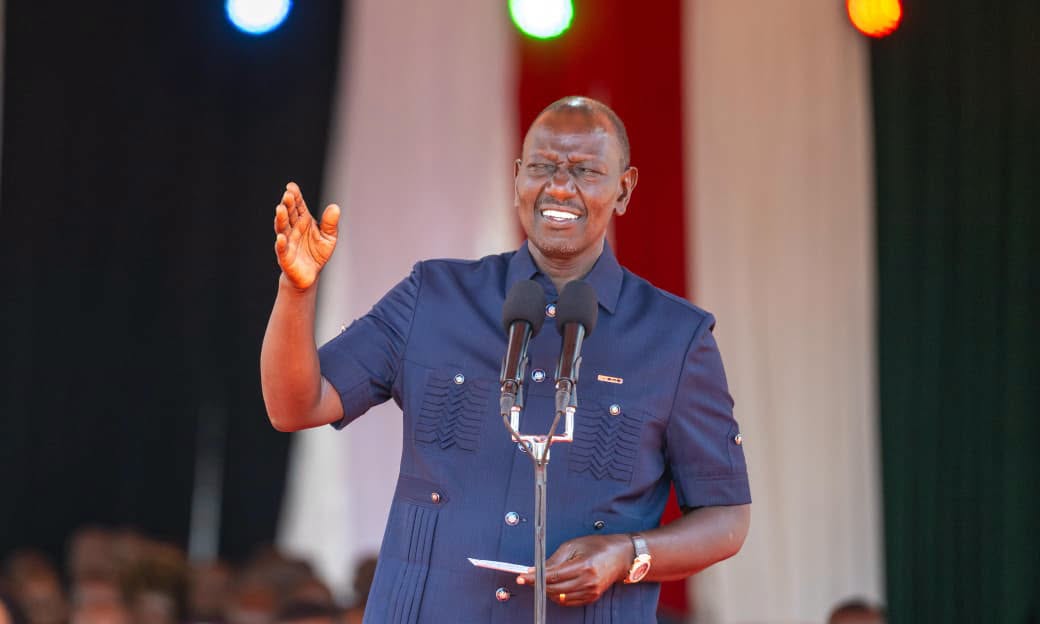
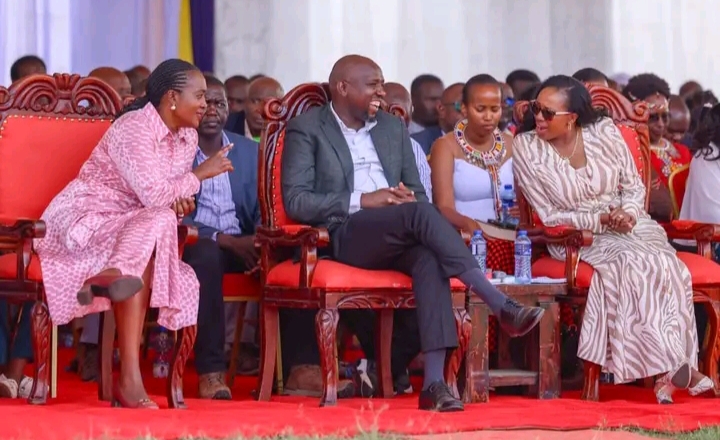
CS Kipchumba Murkomen together with other leaders attended and interdenominational church service and held a meeting with local leaders in Kongasis,Eburi ward in Nakuru County. He updated the residents on ongoing and upcoming development projects in the county including roads,stadiums,water, housing,markets and land titling. Together with the leaders,they agreed to create new administrative units and fast track the operationalization of gazetted units to enhance service delivery to Wananchi.
Kenya's Interior and National Administration Cabinet Secretary, Kipchumba Murkomen, is a senior government official whose public engagements often include security matters, national unity, community development and cooperation between the government and religious institutions.
Interdenominational church services provide an opportunity for Christians from different denominations to worship together while bringing community members, political leaders and government representatives together. Such gatherings can also provide a platform for leaders to discuss peace, social responsibility, development and the challenges affecting ordinary Kenyans.Murkomen's role in promoting peace and national security
As Cabinet Secretary for Interior and National Administration, Murkomen is responsible for important government functions involving internal security, national administration and coordination with security agencies. His public engagements are therefore closely connected to the government's efforts to maintain peace, prevent crime and promote cooperation between communities.
In Nakuru County, these responsibilities are particularly relevant because the county brings together residents from different communities, economic backgrounds and religious traditions. Religious gatherings can provide opportunities to encourage peaceful coexistence and remind residents of the importance of respecting one another.Previous interdenominational services attended by Murkomen provide some context for the issues he has addressed during religious gatherings.
On August 23, 2026, Murkomen attended an interdenominational church service at Twiga Primary School in Cherangany, Trans Nzoia County. During that event, he addressed political violence, security and the responsibilities of political leaders.
He called for action against people involved in politically motivated violence and urged the media to remain objective when reporting on such incidents. His remarks reflected the responsibility of the Interior Ministry to support public safety and protect the public from violence.
The event also highlighted the relationship between religious institutions and national leadership. Churches can provide platforms for discussing peace, tolerance and responsible conduct, particularly when political competition creates tension within communities.Interdenominational services bring together Christians from different churches and traditions. Such gatherings can help strengthen relationships between religious institutions and the communities they serve.
Religious leaders often encourage their congregations to embrace honesty, compassion, respect and responsibility. These values can contribute to peaceful communities when they are reflected in everyday conduct.
For government officials attending such services, the gatherings also provide opportunities to listen to religious leaders and discuss social challenges affecting families and young people.
In Nakuru, the importance of cooperation between community leaders, churches, security agencies and local administrators extends to preventing crime, resolving disputes and encouraging peaceful political participation.Another issue Murkomen has addressed at a previous interdenominational service is the problem of illicit alcohol and its effects on young people.
On September 20, 2026, he attended a service at the AIC Visha Oshwal Comprehensive School grounds in Kabarnet, Baringo County. According to reporting published the following day, he called on parents to take greater responsibility for guiding their children and warned against allowing illicit alcohol consumption to undermine young people's futures.
The issue is important because illicit alcohol can contribute to addiction, family difficulties, insecurity and serious health complications. Addressing the problem requires cooperation between government agencies, parents, schools, religious institutions and local communities.Religious institutions can contribute to social development through education, counselling, charitable activities and assistance to vulnerable families. They can also encourage peaceful elections, responsible leadership and respect for the law.
Government officials, in turn, can use such engagements to explain public programmes, hear community concerns and encourage cooperation between residents and public institutions.
Where church infrastructure requires improvement, congregations may also organise fundraising activities to support the construction or expansion of worship facilities.
For example, Murkomen and Deputy President Kithure Kindiki attended a service in Kipsamoo, Kapseret, Uasin Gishu County, on August 30, 2026, where leaders and worshippers contributed towards church infrastructure development. When senior government officials attend community events, residents may expect them to address issues affecting their livelihoods and safety. Such engagements can strengthen public participation if they provide genuine opportunities for discussion rather than being limited to speeches.The event also highlighted the relationship between religious institutions and national leadership. Churches can provide platforms for discussing peace, tolerance and responsible conduct, particularly when political competition creates tension within communities.In Nakuru, the importance of cooperation between community leaders, churches, security agencies and local administrators extends to preventing crime, resolving disputes and encouraging peaceful political participation.Security agencies have a role in enforcing the law against illegal production and distribution, while families and community organisations can help educate young people about the dangers of substance abuse..
He updated the residents on ongoing and upcoming development projects in the county, including roads,stadiums,water, housing,markets and land titling.
He was accompanied by CS for defence Soipan Tuya, National Assembly majority leader Kimani Ichung'wah,Nakuru governor Susan Kihika, Senator Hillary Sigei (Bomet),Kiprono Chemitei(Baringo),MPs David Gikaria(Nakuru Town East),Memusi Kanchory(Kajiado Central),Irene Niko (Bahati),Kuria Kimani(Molo) and Charity Kathambi Chepkwony (Njoro) and other leaders.
Together with the leaders they agreed to create new administrative units and fast track the operationalization of gazetted units to enhance service delivery to wananchi.They also agreed to deploy additional police officers to the area and equip them with a vehicle to strengthen the fight against illicit brews.

You Might Also Like
-
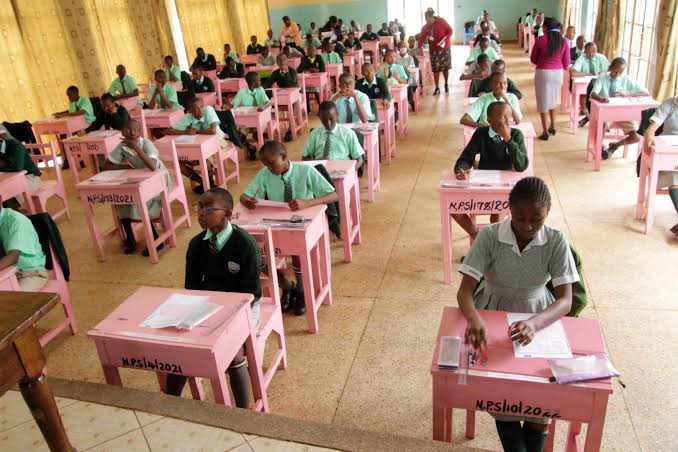
Kenya's 2026 national assessments have officially begun, with 1,298,089 learners sitting the Kenya Primary School Education Assessment (KPSEA) and 1,130,669 undertaking the Kenya Junior School Education Assessment (KJSEA). The exercise marks an important milestone in the implementation of the Compet
-
Nairobi Water is set to interrupt water supply for three days in several parts of the capital, including Ngong Road, Lang’ata, Westlands, Gigiri and Karen, to facilitate maintenance on a major pipeline. Residents, businesses and institutions are urged to prepare by storing sufficient water and fol
-
Health Cabinet Secretary Aden Duale has reassured Kenyans and the international community that Kenya has not imposed any travel, trade or tourism restrictions. He says the government is following World Health Organization (WHO) guidance, which advises against closing borders or imposing restrictions
-
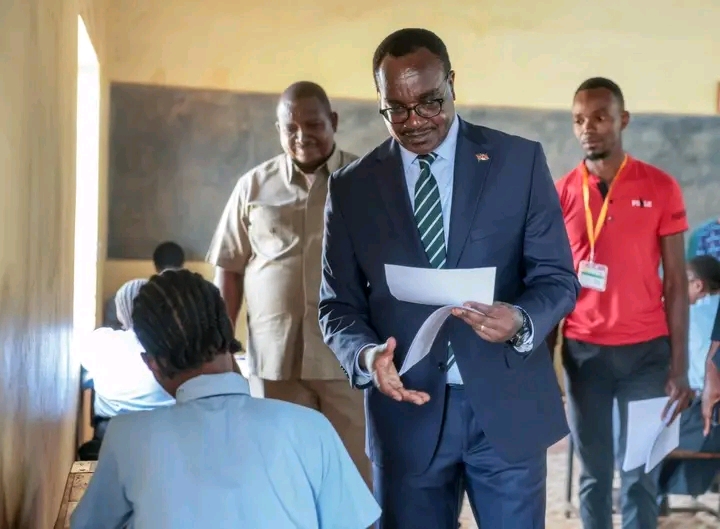
Education Cabinet Secretary Julius Migos Ogamba on Monday, October 26, 2026, witnessed the opening of the KNEC examination container at the Makindu Sub-County Deputy County Commissioner's Office in Makueni County and oversaw the distribution of KPSEA and KJSEA assessment materials to designated cent
-
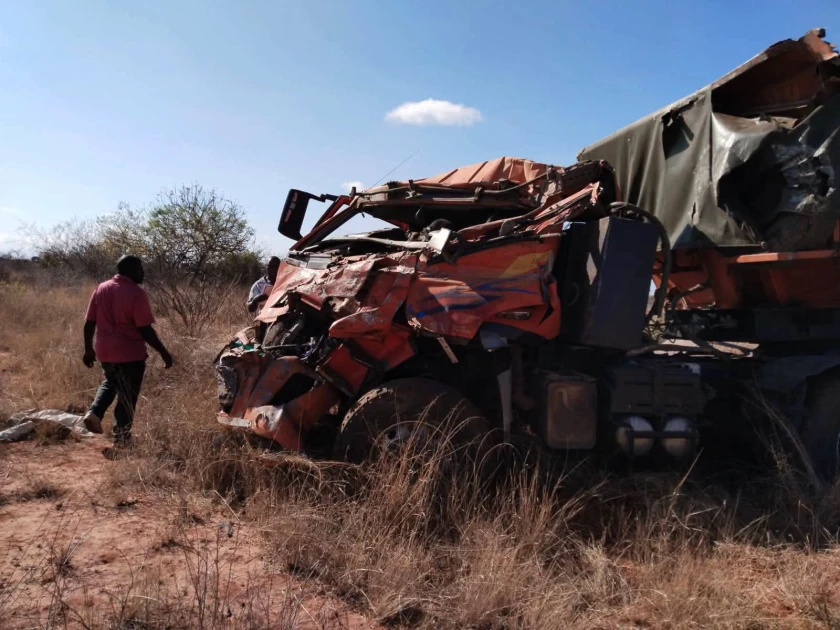
The death toll from the tragic road accident at Kanga area along the Mtito Andei–Mombasa Highway has risen to 24 after two more victims succumbed to injuries sustained in the crash. The incident has left families grieving and renewed concerns over road safety on one of Kenya’s major transport ro
-
President William Ruto has ordered the inspection of all public service vehicles to ensure compliance with road safety regulations following a tragic accident along the Nairobi–Mombasa Highway in Makueni County that claimed 24 lives. The directive aims to improve vehicle safety, strengthen enforce