CS Ruku Announces 50,000 Internship Opportunities as Government Targets Youth Unemployment from January 2027
The government's plan to expand the National Internship Programme by an additional 50,000 placements from January 2027 represents an important proposed intervention targeting youth unemployment in Kenya. Through the involvement of public institutions and private-sector employers, the initiative is expected to provide thousands of graduates with opportunities to gain practical experience, receive monthly stipends and develop professional skills. Public Service Cabinet Secretary Geoffrey Ruku has previously advocated for greater cooperation between government and private employers to expand internship opportunities, while President William Ruto has announced the January 2027 expansion and outlined the proposed recruitment arrangements.
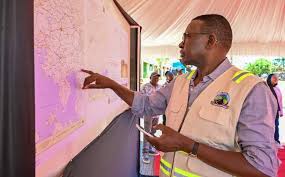
The Kenyan government has announced plans to recruit approximately 50,000 interns in both public and private sectors beginning January 2027, in a move aimed at creating employment opportunities for young people and helping graduates gain practical working experience.The announcement by Cabinet Secretary for Public Service Geoffrey Ruku has brought renewed attention to the government's efforts to address youth unemployment and strengthen the transition from education to employment. The proposed recruitment programme is expected to provide thousands of young Kenyans with opportunities to gain workplace experience, develop professional skills and improve their chances of securing permanent employment.
The initiative is particularly significant for graduates who have completed university, college and technical training but continue to face difficulties finding jobs because many employers require previous work experience.
By involving both government institutions and private companies, the proposed programme is expected to expand the number of internship opportunities available to young people across different sectors of the economy.Ruku's remarks on youth employment
Public Service Cabinet Secretary Geoffrey Ruku has been associated with efforts to expand internship opportunities by bringing together the government and private-sector employers. In an earlier announcement on July 28, 2025, Ruku said the government intended to work with private companies to create at least 50,000 internship opportunities annually. He explained that the existing public-sector internship programme could not accommodate the growing number of young people graduating from universities and colleges.
The January 2027 expansion is also part of President William Ruto's employment proposals announced during the 63rd Mashujaa Day celebrations on October 20, 2026, at Kipchoge Keino Stadium in Eldoret, Uasin Gishu County.President Ruto announced that the National Internship Programme would be expanded by an additional 50,000 placements from January 2027. He said the programme would target young people completing their studies at universities, TVET institutions and other colleges.
The President explained that the initiative would be supported by monthly stipends and a transparent, digital and merit-based recruitment process. He also indicated that the government would introduce incentives to encourage private-sector employers to offer meaningful workplace experience to young people.
This means the government intends to address youth unemployment through cooperation between public institutions and private businesses rather than relying entirely on government departments to provide internship opportunities.Youth unemployment remains one of the major challenges facing Kenya. Every year, thousands of young people complete their university degrees, diplomas, certificates and technical courses, only to encounter difficulties securing employment.
For many graduates, the biggest challenge is the requirement for previous working experience. Employers frequently advertise positions requiring applicants to have professional experience, making it difficult for fresh graduates to compete with people who have already worked in established organisations.
This creates a difficult situation for young people who have the necessary academic qualifications but have not had an opportunity to demonstrate their abilities in a professional environment.
The proposed 50,000 internship opportunities are intended to help address this challenge by giving young people an opportunity to enter workplaces, learn from experienced professionals and acquire practical skills.Traditionally, many internship opportunities in Kenya have been provided through government ministries, departments, agencies and county governments. However, the number of graduates entering the labour market continues to increase, creating demand for additional opportunities.
By involving private companies, the government hopes to increase the number of available placements and expose young people to different working environments.
Public-sector placements could be available in government ministries, state departments, public agencies and other institutions, depending on the final implementation arrangements.
Private-sector opportunities could involve companies operating in manufacturing, banking, information technology, agriculture, telecommunications, hospitality, construction, transport and other industries.
This partnership could allow interns to understand how different organisations operate while gaining skills relevant to their future careers.What young Kenyans should do as they prepare
With the proposed recruitment expected to begin in January 2027, young people interested in the opportunities should begin preparing early.
Graduates should update their CVs, organise their academic certificates and ensure that their identification documents are available.
They should also identify the sectors in which they would like to gain experience and prepare to demonstrate the skills they acquired during their studies.
Those who have completed technical training should highlight their practical abilities, while university graduates should clearly explain their areas of specialisation.The government will therefore need to establish sustainable funding arrangements and clarify the responsibilities of participating public institutions and private employers.
Another important issue will be transparency in recruitment.
The government will need to ensure that opportunities are accessible to qualified young people from different counties and backgrounds.
A fair selection process will be important in preventing favouritism, discrimination and other practices that could undermine public confidence.
The quality of internships will also matter. Employers should provide meaningful assignments, proper supervision and opportunities for professional development rather than using interns simply as a source of cheap labour.

You Might Also Like
-
Six people, including a North Rift Sacco matatu driver, have been killed while several others sustained injuries following a horrific road accident involving a Mercedes-Benz Actros truck, a Toyota Hiace matatu and a Toyota Succeed in the Koriomat area along the Eldoret–Nakuru Highway. Preliminary
-
Transport CS Davis Chirchir has attributed delays in the completion of the Rironi-Naivasha dual carriageway to global petroleum supply disruptions linked to tensions between the United States and Iran. He says the crisis has affected fuel availability and prices, increasing construction costs. The h
-
Public Health Principal Secretary Mary Muthoni has announced encouraging progress in Kenya's efforts to contain the Ebola outbreak, with no new infections reported in the past 10 days. The government continues to strengthen surveillance, contact tracing, screening and isolation measures to prevent f
-
President William Ruto's meeting with Russian President Vladimir Putin in Moscow represents an important development in Kenya's efforts to strengthen international economic partnerships. The signing of five memorandums of understanding, including one focusing on economic cooperation, provides a new
-
The meeting held at Governor Susan Kihika's home in Ngata on Thursday, October 29, 2026, placed Nakuru's unity and political cooperation at the centre of discussions. Led by Governor Kihika and attended by National Assembly Majority Leader Kimani Ichung'wah and other participants, the gathering pro
-
Speaking during the Diversity Benchmarking Focus Group Session at AFRALTI in Nairobi on October 29, 2026, Dr Isaac Mwaura said the proposed charter would provide fresh direction to the country's disability rights agenda. The initiative is expected to encourage government agencies, private businesse