



Dangote Says He Is Not Intimidated by Court Challenges Over Lamu Refinery
Aliko Dangote says he is not intimidated by court challenges, maintaining that his team is ready to defend the proposed KSh2.2 trillion Lamu refinery through legal channels.
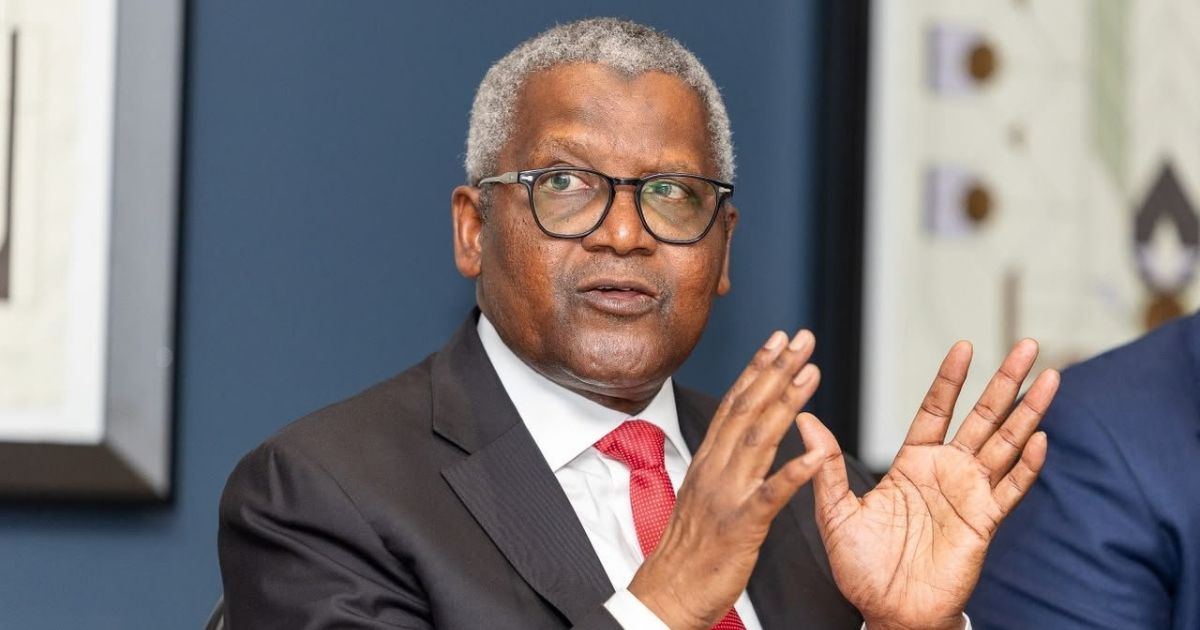
Nigerian billionaire and industrialist Aliko Dangote has said he is not intimidated by legal challenges facing his proposed East Africa Oil Refinery in Lamu, maintaining that his company is prepared to respond to anyone who seeks to challenge the project through the courts.
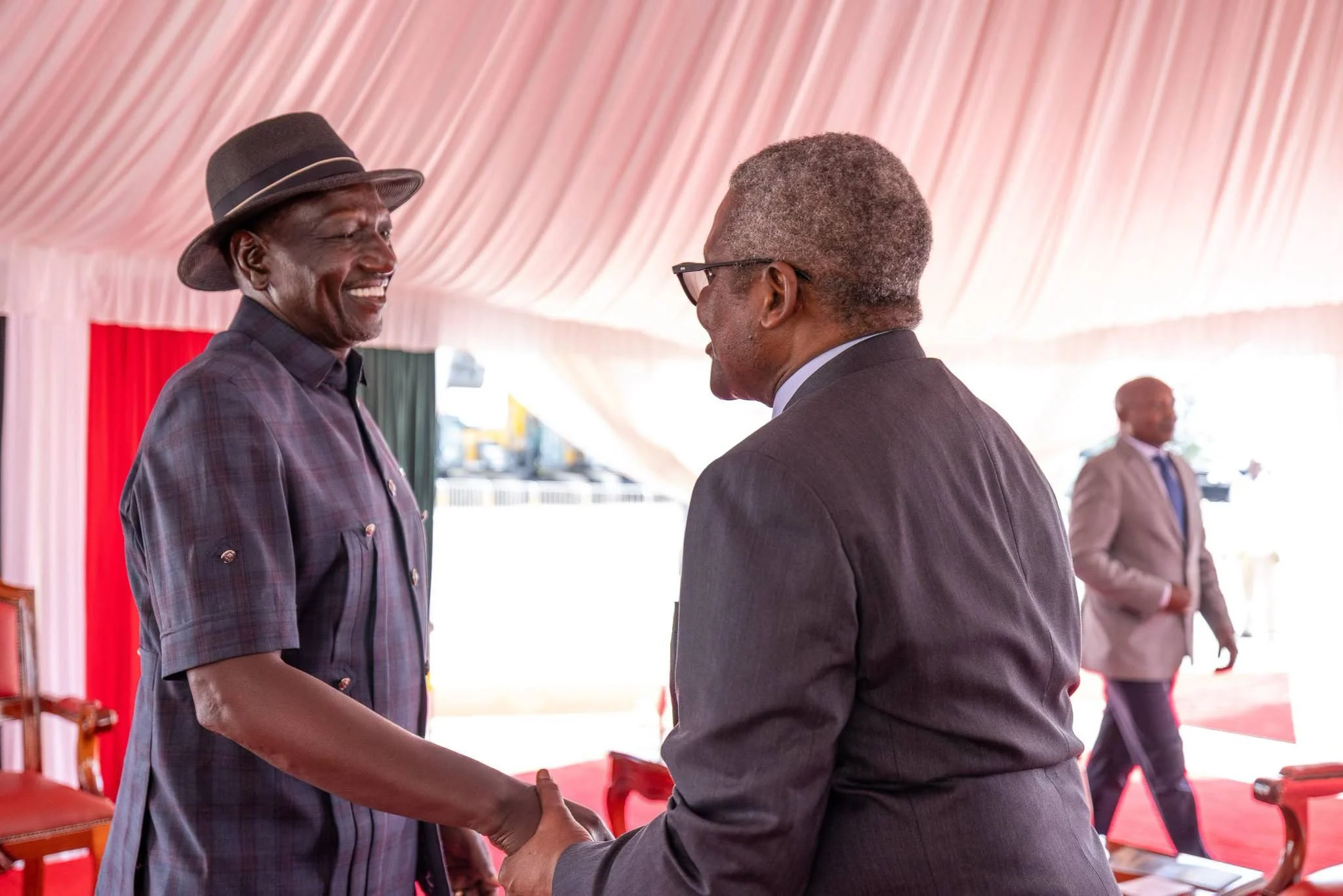
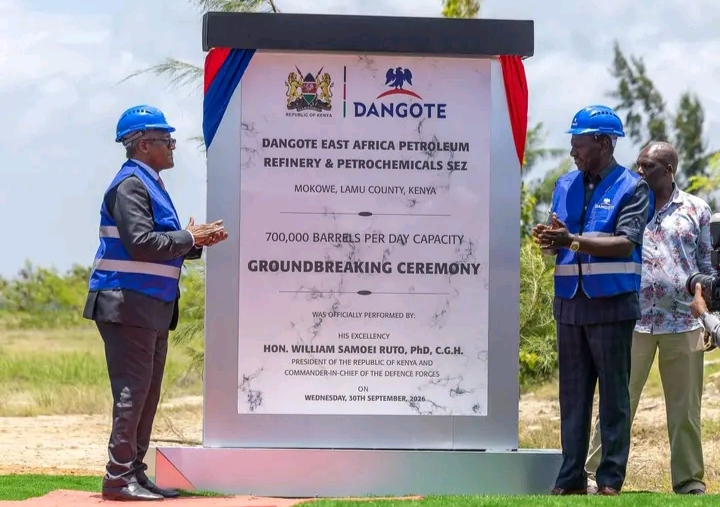
Speaking during the groundbreaking of the proposed refinery in Lamu, Dangote said legal disputes are not unusual when undertaking major investments, insisting that his group is prepared to defend its interests through the appropriate legal processes.
“We’re not scared of people taking us to court,” Dangote said, adding that anyone who wants to challenge the project should be prepared for the response from his company.
His remarks come amid an ongoing land dispute involving residents who have moved to court over portions of land associated with the proposed refinery.
The dispute has become one of the major issues surrounding the multibillion-shilling project, even as the groundbreaking ceremony proceeded on September 30, 2026.
The Malindi Environment and Land Court has directed that the status quo be maintained on disputed portions of land pending further proceedings. The case was filed by Salim Tima Swale and 132 other residents, who have raised concerns regarding land rights, occupation and compensation. The substantive matter is scheduled for further hearing on October 14.
However, the court did not stop the groundbreaking ceremony itself, allowing the high-profile event involving President William Ruto, Dangote and several African leaders to proceed.
The legal dispute has therefore created a complicated situation in which the project has moved forward ceremonially while questions surrounding specific portions of land remain before the courts.
Dangote has maintained that the refinery project remains firmly on course despite the legal challenge.
A Major Investment for East Africa
The proposed Dangote East Africa Petroleum Refinery is estimated at about $16 billion, equivalent to roughly KSh2.2 trillion, and is designed to process up to 700,000 barrels of crude oil per day once completed.
The facility is expected to supply petroleum products to Kenya and other countries in the East African region, potentially reducing the region’s reliance on imported refined petroleum products. Reuters reported that the refinery is expected to be completed around 2030.
The project is being presented as a major industrial investment with implications beyond Kenya’s borders.
Dangote has argued that Africa needs to increase its capacity to process its own raw materials rather than exporting resources and importing finished products.
For the refinery, the plan is to source crude from regional and international suppliers and process it locally into products required by consumers and industries.
The project is also expected to create thousands of employment opportunities during construction and operation. Reuters reported that the development could generate more than 50,000 jobs, while earlier reports have put the potential employment impact even higher.
Beyond employment, the refinery is expected to support related industries, including petrochemicals, logistics, transport, engineering and other businesses that could develop around the facility.
Dangote Stands Firm
Dangote’s latest comments demonstrate his determination to proceed with the investment despite opposition and legal challenges.
The businessman has previously faced major disputes involving large industrial projects, including his refinery in Nigeria. He has indicated that legal challenges are part of doing business at such a large scale.
His position is that disagreements should be handled through established legal channels rather than becoming a reason to abandon an investment.
The Lamu refinery has already attracted significant political and economic attention because of its size and its potential regional impact.
The project is also being viewed as part of a wider effort to strengthen Africa’s industrial capacity and reduce dependence on imported manufactured products.
Dangote has repeatedly argued that African countries need to process more of their own resources locally.
His approach has been demonstrated through investments in cement, fertiliser, food processing, energy and petroleum refining.
The Lamu project represents another step in that broader industrial strategy.
Land Dispute Remains Before Court
Despite the confidence expressed by Dangote, the land dispute remains an important issue.
Residents who filed the case argue that they have occupied, cultivated and developed portions of the disputed land for many years. They say their interests should be taken into consideration in the land acquisition and compensation process.
According to court-related reports, the petitioners include residents who claim long-standing occupation of the affected areas and who are seeking legal protection over their interests.
The court has ordered parties to maintain the status quo on the disputed parcel until the matter is considered further.
The case is therefore still active, and the court has not made a final determination on the competing claims.
Dangote’s comments should consequently be understood as his position regarding the legal challenge, rather than a conclusion on the merits of the residents’ claims.
The legal process will determine the questions raised by the petitioners and the responses from the respondents.
Groundbreaking Goes Ahead
Despite the court dispute, the groundbreaking ceremony went ahead as planned.
President William Ruto led the ceremony, with Dangote and several African leaders and government representatives attending the event.
The ceremony brought together leaders from across the continent, highlighting the regional significance attached to the proposed investment.
The project has been described as one of the largest planned infrastructure and industrial investments in Kenya.
Its location in Lamu also gives it strategic importance because of the county’s access to the Indian Ocean and the wider Lamu Port-South Sudan-Ethiopia Transport corridor.
The refinery is expected to take advantage of the port and transport infrastructure in the region, although the full economic benefits will depend on the completion and integration of the necessary supporting infrastructure.
Regional Energy Security
One of the major arguments advanced in support of the refinery is the potential to strengthen energy security in East Africa.
Countries in the region currently depend heavily on imported petroleum products to meet their energy needs.
A large refinery located within the region could provide an alternative source of refined fuel and potentially reduce dependence on distant suppliers.
Reuters reported that the refinery is intended to supply diesel, petrol and jet fuel to Kenya and neighbouring East African countries.
However, the project will also require a reliable supply of crude oil, efficient transportation systems, storage facilities and distribution networks.
The availability and cost of crude feedstock will therefore be important factors in determining how effectively the refinery serves regional markets.
Dangote has indicated that the project will be designed to process crude from Uganda, South Sudan and other sources, alongside international supplies.
African Ownership and Investment
Another significant feature of the project is the proposed participation of regional governments.
Reports indicate that Kenya and two other East African countries are expected to collectively acquire a 30 percent stake in the refinery.
The proposed arrangement is part of a broader conversation about African participation in major infrastructure and industrial investments.
Dangote has consistently promoted the idea that Africans should have a greater role in owning and controlling businesses operating on the continent.
He has also discussed opportunities for wider African investment in his businesses.
Such arrangements could potentially provide governments with financial returns while giving them a direct stake in strategic infrastructure.
At the same time, participation in major projects also requires careful consideration of financial commitments, commercial risks and long-term returns.
Economic Expectations
Supporters of the Lamu refinery argue that its benefits could extend far beyond the petroleum sector.
Large industrial projects typically require suppliers, transporters, construction companies, engineers, security providers, financial institutions and other service providers.
Local businesses could therefore benefit from increased economic activity if appropriate opportunities are created.
The refinery could also encourage additional investment in Lamu and neighbouring counties.
The presence of a major industrial facility could increase demand for housing, transport, education, hospitality and other services.
However, the scale of these benefits will depend on how the project is implemented and how much local communities participate in its economic opportunities.
Community Concerns
While investors and government officials have highlighted the economic potential, the concerns raised by local residents remain part of the public debate.
Land is an especially sensitive issue in Kenya, where historical claims, ancestral occupation, titles, compensation and compulsory acquisition have frequently generated disputes.
For the Lamu project, the ongoing court proceedings provide a formal avenue through which those concerns can be presented and determined.
The outcome of the legal process will be important for the parties involved and could also influence how the project addresses disputed land issues going forward.
For Dangote, the position is clear: his company intends to continue pursuing the investment while responding to legal challenges through the courts.
A Test for Large-Scale Investment
The Lamu refinery will be closely watched as it moves from groundbreaking to construction.
Its success will depend on several factors, including financing, construction, crude supply, infrastructure, regulatory approvals, workforce development and market demand.
The project will also have to navigate the legal and community concerns that have already emerged.
Dangote’s comments show that he does not regard the current court challenge as sufficient reason to abandon the investment.
At the same time, the existence of an active court case means some aspects of the project remain subject to judicial consideration.
The situation highlights the balance required when major investments intersect with land rights and community interests.
Looking Ahead
The groundbreaking marks the beginning of a project that could significantly influence Kenya’s energy and industrial landscape if completed as planned.
For Dangote, the investment represents an expansion of his industrial presence in Africa and an attempt to build greater refining capacity on the continent.
For Kenya, it represents a potentially transformative private-sector investment that could create jobs, support industries and strengthen petroleum supply infrastructure.
For East Africa, the refinery could become an important source of petroleum products and contribute to regional industrialisation.
But the project’s progress will continue to be closely monitored, particularly because of the ongoing land dispute.
Dangote’s message is that his company is ready to face those challenges through legal and institutional processes.
The court, meanwhile, will continue to consider the claims brought forward by the residents.
As construction moves forward, the balance between investment, development, community rights and legal due process will remain central to the Lamu refinery story.
What is already clear is that Dangote is not backing away from the project because of the legal challenge. His public position is that the company is prepared to defend the investment and address opposition through the appropriate channels.
The coming months will show how the legal proceedings, construction plans and community concerns develop as Kenya moves ahead with one of its most ambitious proposed industrial investments.

You Might Also Like
-
President William Ruto says Kenya will take a stake in the proposed Dangote East Africa Refinery and contribute its assets to the project, stressing that the country will invest and not expect anything for free.
-
Ugandan President Yoweri Museveni has praised Aliko Dangote as an African investor committed to developing the continent, while criticising leaders he says prioritise foreign interests over African development.
-
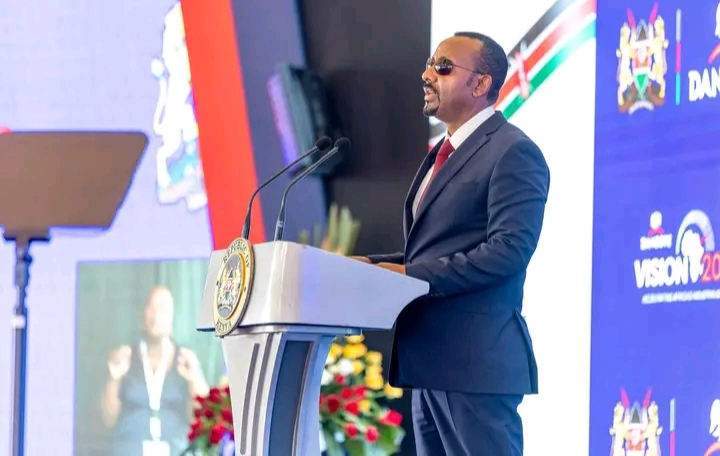
Prime Minister Abiy Ahmed's message during the Dangote East Africa Petroleum Refinery groundbreaking was centred on energy security, Ethiopia's access to additional fuel supplies, regional trade, industrialisation, investment and opportunities for young Africans. He described the Lamu refinery as a
-
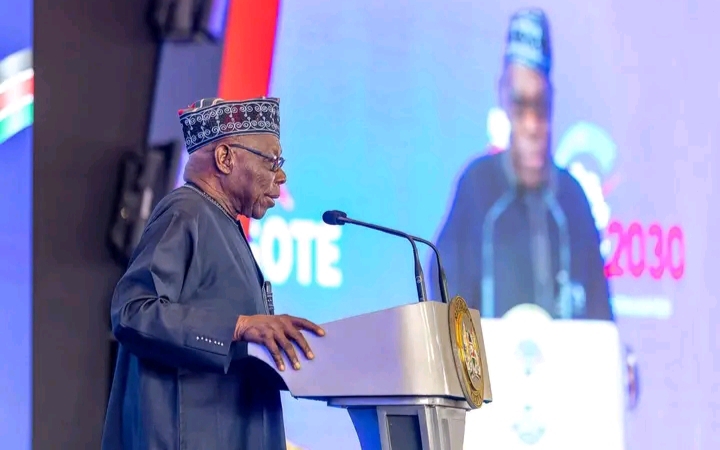
Former Nigerian President Olusegun Obasanjo's attendance at the September 30, 2026 groundbreaking of the Dangote East Africa Petroleum Refinery in Lamu added historical and continental significance to the ceremony. His presence alongside President William Ruto, Aliko Dangote and other African leader
-
President William Ruto's September 30, 2026 groundbreaking ceremony with Aliko Dangote marks a major new chapter in Kenya's energy and industrial development. The proposed Sh2.2 trillion, 700,000-barrel-per-day Dangote East Africa Petroleum Refinery is expected to supply petroleum products to Kenya
-
The EPRA report released on September 29 provides a broad assessment of Kenya's energy and petroleum sectors for the year ended June 30, 2026. Its findings show record electricity demand, increased generation, continued dominance of renewable energy, rising household electricity consumption, higher