Deputy President Kithure Kindiki Launches Development Projects in Gatundu North, Inspects Thika–Magumu Mau Mau Roads
Deputy President Kithure Kindiki's development agenda in Gatundu North highlights two important areas: modern market infrastructure and improved road connectivity. Kanyoni Market represents the importance of supporting small-scale traders and farmers, while the inspection of the Thika–Magumu Mau Mau roads draws attention to the need for reliable transport infrastructure. The government's wider development programme emphasises completing stalled projects, improving access to markets and creating opportunities for local residents. Kindiki has reinforced these priorities during recent visits to other parts of Kiambu and the wider Mount Kenya region.
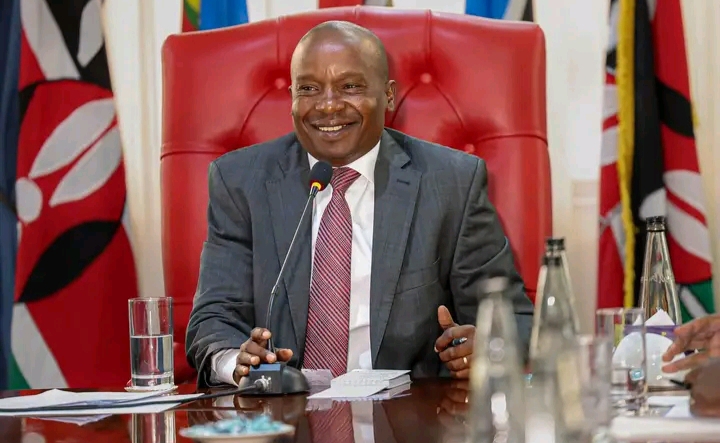
The Deputy President of Kenya, Professor Kithure Kindiki, has continued to place infrastructure development, improvement of market facilities and better access to essential services at the centre of the government's development agenda. His visit to Gatundu North Constituency in Kiambu County, which included development activities at Kanyoni Market and an inspection of the Thika–Magumu Mau Mau roads, highlights the importance of improving local infrastructure to support businesses, farmers and residents.
The visit also brings attention to the government's broader commitment to improving road connectivity in the Mount Kenya region, where traders, farmers and commuters depend on reliable transport networks to move goods, access markets and reach essential services.
Kanyoni Market and the Thika–Magumu Mau Mau roads are important to the local economy because markets provide a meeting point for buyers and sellers, while roads connect rural communities to trading centres and larger towns. Improvements to these facilities can help create better opportunities for small businesses, reduce transport difficulties and support economic activities across Gatundu North.Kithure Kindiki's visit to Gatundu North Constituency
The Deputy President's visit to Gatundu North is significant because the constituency has communities that depend heavily on agriculture, small-scale businesses, transport and local trading centres for their livelihoods. Development projects targeting these sectors can help improve household incomes and make it easier for residents to access essential services.
During development tours across Kiambu County, Prof. Kindiki has repeatedly emphasised that the government intends to demonstrate its performance through completed projects, improved infrastructure and better services to ordinary Kenyans. He has also called for faster implementation of projects that have experienced delays. Kanyoni Market is an important focus because local markets provide opportunities for small-scale traders, farmers, transport operators and other businesspeople to earn a living.
For many residents, a market is more than a place to buy and sell goods. It is a source of employment and a link between agricultural production and consumers. Farmers need reliable places to sell their produce, while traders require suitable spaces to display merchandise and serve customers.
The government's wider modern-market programme aims to provide better facilities for traders and improve the environment in which small businesses operate. During an earlier public engagement in Gatundu North, Kindiki said the constituency had three markets included in the government's market-development plans. He also highlighted facilities such as cold storage, lactation rooms, children's play areas and ICT hubs as features of the broader programme. Second, farmers can benefit from improved market access. Gatundu North and surrounding areas have agricultural activities that require reliable links between farms and consumers. When farmers can transport their produce to trading centres more efficiently, they have a better opportunity to sell it before it deteriorates.
Third, market improvements can create employment. Construction activities may provide temporary work for local labourers, while an active market can sustain jobs for vendors, loaders, transport operators and other service providers.
Fourth, improved facilities can support women and young people. Small-scale trading is an important source of income for many people who may not have access to formal employment. Better facilities can help traders operate in more suitable surroundings.Another major issue associated with the visit is the inspection of the Thika–Magumu Mau Mau roads.
Road infrastructure is essential to economic development, particularly in areas where farming and small businesses support a large proportion of households. Poor roads can increase transport costs, delay deliveries and make it difficult for residents to reach schools, hospitals, markets and other public services.
The Thika–Magumu road corridor has previously been the subject of government infrastructure updates. Another major issue associated with the visit is the inspection of the Thika–Magumu Mau Mau roads.
Road infrastructure is essential to economic development, particularly in areas where farming and small businesses support a large proportion of households. Poor roads can increase transport costs, delay deliveries and make it difficult for residents to reach schools, hospitals, markets and other public services.
The Thika–Magumu road corridor has previously been the subject of government infrastructure updates. Improving transport for farmers: Farmers need reliable roads to move agricultural produce from their farms to markets. Better road conditions can reduce the time and cost associated with transporting goods.
Supporting local businesses: Traders depend on road networks to receive supplies and serve customers. Improved connectivity can encourage more commercial activity and help link smaller trading centres to larger economic hubs.
Reducing travel difficulties: Road improvements can make journeys more convenient for residents travelling to work, schools, hospitals and government offices.
Connecting communities: Roads linking rural settlements to major transport corridors can improve access to services and strengthen economic links between neighbouring areas.The importance of the Mau Mau roads programme
The Mau Mau roads programme has a wider historical and economic significance. Its name recalls the struggle for independence in Kenya, while the infrastructure itself is intended to improve connectivity in parts of Central Kenya.
In recent development engagements, Kindiki has stressed that stalled road projects must be completed and that improved transport infrastructure is necessary to support farmers and local businesses.What Kindiki has said about development
In his recent public engagements across Kiambu County, the Deputy President has presented development and service delivery as central priorities for the national government.
On October 5, 2026, while addressing development matters in Thika Town Constituency, Kindiki called for faster completion of road projects and said he would follow up with contractors to ensure that agreed timelines were respected. He also urged contractors to give local residents opportunities to work on projects being implemented in their communities.Expectations of Gatundu North residents
Residents are likely to assess the impact of the development programme according to the practical changes it delivers.
For traders at Kanyoni Market, the priorities include suitable trading spaces, security, sanitation, drainage and reliable access for customers and suppliers.
For farmers, better roads can make it easier to transport produce and reach buyers. Reduced travel difficulties may also benefit milk suppliers, vegetable growers and other agricultural producers.
Young people may benefit if construction contractors employ local workers and if the resulting infrastructure encourages new businesses to emerge. Women traders may also gain from better working conditions and more organised market facilities.

You Might Also Like
-
The National Assembly has passed the Sexual Offences (Amendment) Bill No. 78 of 2023, aimed at promoting public awareness, protecting victims’ right to education and aligning existing laws with the Constitution of Kenya. The proposed amendments highlight the importance of safeguarding victims’ r
-
The Kenya Meteorological Department's forecast for October 20–26, 2026, indicates that rainfall is expected in parts of 45 counties across western Kenya, the Rift Valley, Central Kenya, the Coast, the eastern region and the north-eastern counties. Afternoon thunderstorms are particularly relevant
-
Felix Koskei's participation in the Global Trust Summit 2026 placed Kenya's public service leadership within a major conversation about the relationship between institutions and the people they serve. The summit's first day focused on rebuilding trust from the frontline, examining democracy, publi
-
The October 21 protest by public health officers in Nairobi has brought renewed attention to the connection between workers' welfare, adequate staffing and Kenya's preparedness for infectious disease outbreaks. As their nationwide strike entered its 92nd day, the officers demanded the signing of a
-
Governor Patrick Ole Ntutu's reported peace message during the Mashujaa Day celebrations at Esoit Naibor Primary School highlights the importance of unity, security and cooperation in Trans Mara South. The gathering came amid concerns about inter-clan disputes and the need to prevent ethnic incitem
-
Deputy President Kithure Kindiki's latest meeting in Karen on October 21, 2026, forms part of an intensified national campaign against illicit alcohol and drug cartels. The government reports that multi-agency teams carried out 125 raids over ten days, while new legislative proposals seek to strengt