



Ebola Fears Grip Kericho as County Referral Hospital Continues Serving Patients
Services at Kericho County Referral Hospital continue to play a critical role despite concerns among residents about the Ebola outbreak. The facility remains an important centre for emergency care, maternity services, diagnostics, specialised treatment and referrals, while county authorities continue working to maintain healthcare delivery. The hospital's existing isolation infrastructure, emergency-care capacity and investments in medical equipment provide important components of preparedness. � Kericho County Government +1 Residents should remain vigilant without giving in to panic. They should follow official health advice, practise good hygiene, report suspicious symptoms promptly and seek medical attention when needed. At the same time, healthcare authorities must continue strengthening infection prevention, protecting health workers and providing transparent information to the public. The continued operation of Kericho County Referral Hospital is crucial because diseases and medical emergencies do not stop during an outbreak scare. Maintaining essential healthcare services while strengthening preparedness offers the best way of protecting both patients and the wider Kericho community.
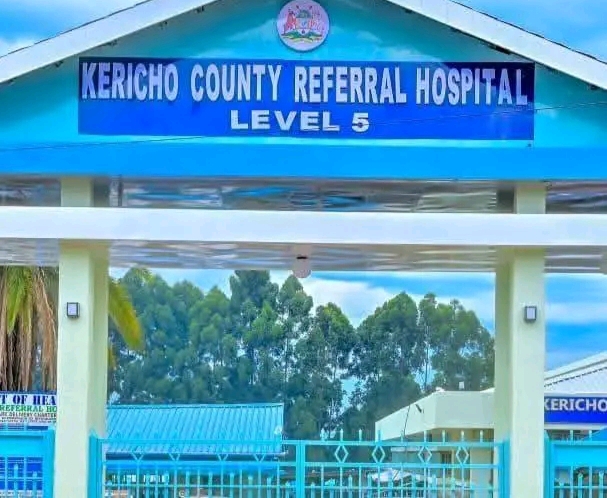
Residents of Kericho County have continued to seek medical attention at the Kericho County Referral Hospital despite growing public concern over the Ebola outbreak and fears about possible transmission of the disease. The situation has placed renewed attention on the hospital’s preparedness, infection-prevention measures and ability to maintain essential healthcare services while responding to public anxiety. The hospital remains an important referral facility for Kericho and neighbouring counties, making continuity of services particularly important during a period when residents may be worried about visiting healthcare facilities.
The concerns come amid heightened national attention to Ebola preparedness in Kenya. Earlier in 2026, the Ministry of Health identified several counties as being at increased risk because of the possibility of imported infections, particularly due to movement across the region. Health authorities have also strengthened surveillance and testing arrangements as part of efforts to detect suspected cases early.
For residents of Kericho, however, the fear of Ebola does not remove the need for ordinary medical care. Patients still require treatment for injuries, malaria, respiratory illnesses, maternal and newborn conditions, chronic diseases and emergencies. Pregnant women need access to maternity services, while patients requiring laboratory tests, radiology, dialysis, surgery and other specialised services cannot simply postpone treatment because of fears surrounding an infectious disease.
Hospital services continue
The Kericho County Referral Hospital remains a key healthcare facility in the county. Information from the county government indicates that services at the hospital have resumed and that health workers continue to serve patients. In September, Kericho Governor Dr Erick Mutai made an impromptu visit to the facility to assess service delivery and interact with both healthcare workers and patients.
During the visit, the governor toured important departments including the maternity unit, wards, radiology and laboratory sections. He expressed confidence in the resumption of services and commended healthcare workers for continuing to serve residents. The county government also said it was addressing human-resource challenges in order to support uninterrupted healthcare delivery.
This continuity is particularly significant because the hospital had previously experienced disruptions associated with industrial action in the health sector. The county government announced in August that full service delivery had resumed across its health facilities following the resolution of the industrial unrest.
The Ebola concerns therefore come at a time when the health system is also focused on maintaining stability and ensuring that patients do not lose access to essential services.
Why residents are worried about Ebola
Ebola is a serious viral disease that can cause severe illness and requires rapid identification, isolation and appropriate medical management. News about an outbreak can naturally create fear, particularly among communities living in areas considered vulnerable to imported cases.
For residents, one of the biggest concerns is whether visiting a hospital could expose them to infection. Such fears can become particularly strong when people hear reports about suspected cases, quarantine facilities or health workers wearing protective equipment.
However, fear should not lead people to avoid hospitals when they genuinely require medical attention. Delaying treatment for serious illnesses can create additional health risks. Residents should instead follow official instructions from health authorities, observe recommended hygiene measures and seek care promptly when they develop concerning symptoms.
It is also important to distinguish between suspected cases, alerts and confirmed Ebola infections. A person being isolated or investigated does not automatically mean that the person has Ebola. Health authorities normally conduct laboratory testing before confirming a diagnosis.
Kenya has previously experienced Ebola alerts that were investigated and subsequently ruled out. For example, an earlier suspected case at Kericho County Referral Hospital was tested and found negative for Ebola and other haemorrhagic fevers. The patient was subsequently moved to the general ward while relatives who had been isolated were released after remaining asymptomatic.
Importance of infection prevention
The continuation of hospital services during an outbreak scare depends heavily on infection prevention and control. Health facilities must protect patients, healthcare workers, visitors and the wider community.
Measures such as proper hand hygiene, use of appropriate personal protective equipment, safe handling of suspected infectious cases, appropriate waste disposal and separation of potentially infectious patients can reduce the risk of transmission.
Kericho County Referral Hospital has previously invested in infection-prevention infrastructure. County project records indicate that an existing ward was converted into a dedicated isolation unit specifically to strengthen infection prevention and control.
Such infrastructure can become particularly important during disease alerts because suspected patients can be separated from the general patient population while health authorities conduct investigations and testing.
Hospital preparedness remains important
Preparedness is not only about having an isolation area. Hospitals need trained healthcare workers, adequate protective equipment, laboratory capacity, emergency procedures, reliable communication systems and clear referral arrangements.
Kericho County has also invested in improving the capacity of its health facilities. In July 2026, the county government announced a KSh104 million investment in modern medical equipment for more than 40 health facilities. The investment included laboratory upgrades, modern X-ray equipment, maternity equipment and other specialised medical infrastructure.
At Kericho County Referral Hospital specifically, the county said it had installed modern blood-transfusion equipment and provided neurosurgery kits to improve the facility's ability to manage complex cases.
The hospital also has a functioning emergency department, a 24-hour emergency-care service and an operating theatre, according to emergency-care information for Kericho County.
These services are important because emergencies do not stop during an infectious-disease outbreak.
Residents urged not to abandon medical care
One of the biggest dangers during an outbreak scare is misinformation. When communities become frightened, some patients may avoid hospitals altogether or turn to unverified treatments.
Residents of Kericho should continue seeking professional medical attention whenever necessary. People with emergencies, pregnant women experiencing complications, children with serious symptoms and patients with chronic conditions should not postpone treatment because of rumours.
At the same time, residents should avoid unnecessary crowding in health facilities and should follow instructions given by medical personnel.
Anyone who develops symptoms that health authorities associate with a suspected infectious disease should promptly inform healthcare workers rather than concealing their symptoms. Early reporting allows health professionals to take appropriate precautions and determine whether further testing or isolation is necessary.
Health workers remain central to the response
Healthcare workers are among the most important people in maintaining services during an outbreak. They have to balance the responsibility of caring for patients with the need to protect themselves from infection.
The continued operation of Kericho County Referral Hospital therefore depends on ensuring that healthcare workers have adequate training, protective equipment and clear guidelines for dealing with suspected infectious diseases.
Governor Mutai's recent visit to the hospital also highlighted the importance of supporting healthcare workers and addressing staffing challenges. The county government said it would continue working on human-resource issues to prevent disruptions in service delivery.
This is especially important during a public-health emergency because shortages of health workers can place additional pressure on those remaining at work.
Kericho's wider role in healthcare
The importance of the referral hospital extends beyond Kericho County. County referral hospitals frequently serve patients from neighbouring counties, meaning any prolonged disruption can affect a much wider population.
A Council of Governors publication notes that Kericho Referral Hospital serves patients from neighbouring Bomet, Nyamira, Kisii and Kisumu counties.
Maintaining operations at the facility is therefore important not only for Kericho residents but also for patients who depend on it for specialised and referral services.
The hospital's ability to provide diagnostic and emergency services also means that residents have an important healthcare resource within the county rather than having to travel long distances for every serious medical problem.
Need for accurate information
As Ebola concerns continue, accurate communication from the Ministry of Health, county health authorities and healthcare facilities will be essential.
Residents need timely information about suspected cases, confirmed cases, testing results, preventive measures and where to seek help. Clear communication can prevent rumours from creating unnecessary panic.
Health officials should also explain what residents should do if they develop symptoms or have been in contact with a suspected case. Such information can reassure the public while ensuring that genuine health risks are addressed promptly.
The message for residents should therefore be balanced: Ebola is a serious public-health concern, but fear should not prevent people from accessing essential healthcare.

You Might Also Like
-
The concerns raised by landslide victims in Chesongoch have brought renewed attention to the challenges faced by communities recovering from natural disasters. The victims say they were left out of government compensation despite suffering losses, and they are calling for the authorities to review t
-
The five-sitting-day suspension of Kiharu MP Ndindi Nyoro marks a significant parliamentary disciplinary episode arising from his claims about investments in Kenya Pipeline Company shares. Nyoro alleged that public institutions including NSSF, PSSF and Kenya Re were pressured to invest in KPC, whil
-
Heavy rains can have a significant impact on farmers in Bomet County. Although rainfall is essential for agriculture, excessive rain can damage crops, cause soil erosion, increase crop diseases, affect livestock, disrupt transportation and increase production costs. For farmers, the key challenge i
-
Deputy Inspector General Eliud Lagat's call for motorists to obey traffic rules underscores the urgent need for greater discipline and responsibility on Kenyan roads. Speeding, reckless overtaking, drunk driving, distracted driving and operating unroadworthy vehicles can turn ordinary journeys into
-
Kenya has intensified measures to contain Ebola after confirming an imported case of Bundibugyo Ebola Virus Disease, with the Ministry of Health hosting and coordinating an Ebola Incident Management Support Team to strengthen surveillance, contact tracing, laboratory testing, infection prevention an
-
President William Ruto presides over the certification ceremony at State House, Nairobi. A total of 3,750 beneficiaries receive Recognition of Prior Learning certificates. The programme recognises skills gained through practical experience and non-formal training. It provides workers with formal