Education CS Holds Talks with Felix Koskei and Treasury CS John Mbadi to Resolve University Staff Strike
The consultations between Education Cabinet Secretary Julius Ogamba, Head of Public Service Felix Koskei and National Treasury Cabinet Secretary John Mbadi represent an important part of the government's efforts to resolve the ongoing public university staff strike. Their discussions took place as negotiations produced a reported KSh20 billion financial agreement for the 2025–2029 CBA, raising hopes of a breakthrough after weeks of disruption. The proposed settlement could mark a turning point in the dispute, but its lasting success will depend on the formal agreement, the availability of funding and the implementation of the commitments made to university employees. As the parties prepare to complete the documentation process, students, parents, lecturers and university administrators will be watching closely to see whether the negotiations deliver a lasting resolution and allow normal learning to resume.
Kenya’s ongoing public university staff strike has intensified pressure on the government to find a lasting solution to the labour dispute that has disrupted learning and university operations across the country. In a move aimed at addressing the stalemate, the Cabinet Secretary for Education held discussions with Head of Public Service Felix Koskei and National Treasury Cabinet Secretary John Mbadi on possible measures to resolve the strike.The discussions bring together key government officials responsible for education policy, public service coordination and the management of public finances. Their involvement highlights the need for a coordinated government response to the demands raised by university workers and the financial challenges surrounding the implementation of agreements between university staff and their employers.
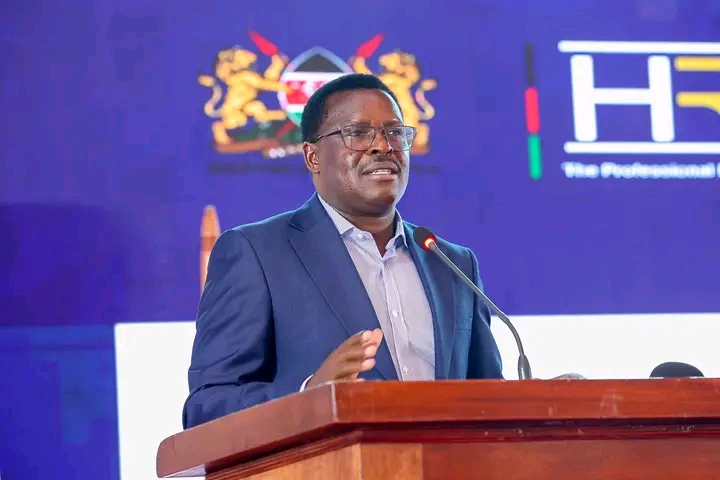
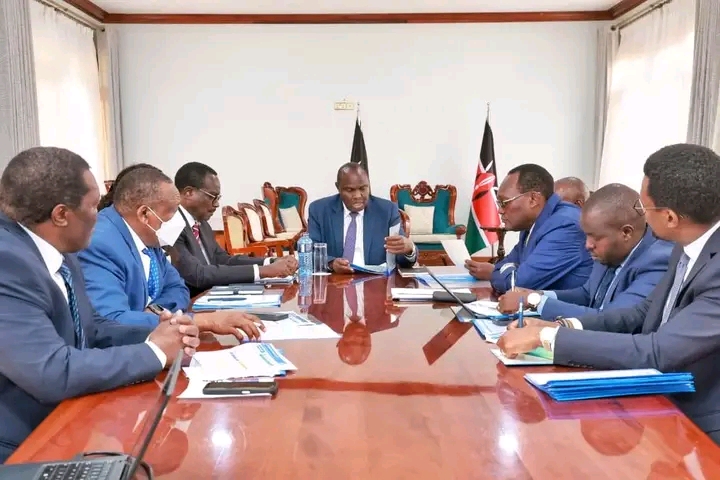
The strike has raised concerns among students, parents, university administrators and other stakeholders in the education sector. With learning activities affected at public universities, pressure has continued to mount on the government, university managements and workers' representatives to reach an agreement that would allow normal academic activities to resume.The meeting involved Education Cabinet Secretary Julius Migos Ogamba, Head of Public Service Felix Koskei and National Treasury Cabinet Secretary John Mbadi. Also present were Principal Secretary for Higher Education Dr Beatrice Muganda Inyangala and Principal Secretary for the National Treasury Dr Chris Kiptoo.
The consultations took place as the government and university staff unions continued negotiations over the 2025–2029 Collective Bargaining Agreement (CBA), which has been at the centre of the industrial dispute.
The central question has been how much money the government should commit to salaries and allowances for university employees over the four-year agreement. University workers have maintained that a lasting settlement must be supported by a clear financial commitment rather than assurances that may not translate into actual payments.The consultations came at a critical moment in the dispute. On Wednesday, October 28, 2026, the Universities Academic Staff Union (UASU) announced that it had reached a financial agreement with the government worth KSh20 billion for the 2025–2029 CBA.
UASU Secretary-General Constantine Wasonga said the agreement followed negotiations with the government and represented a figure reached through discussions rather than imposed on the union.
The KSh20 billion package is intended to cover basic salaries and allowances under the new collective bargaining agreement. However, the precise distribution of the money among eligible employees and the payment schedule still require clarification through the formal documentation process.
The reported breakthrough represents a significant development after several earlier proposals failed to satisfy the unions.The dispute involves staff represented by UASU, the Kenya Universities Staff Union (KUSU) and the Kenya Union of Domestic, Hotels, Educational Institutions, Hospitals and Allied Workers (KUDHEIHA).
The unions have raised concerns about salary increases, allowances and other employment benefits. They have also called for the implementation of outstanding commitments under previous collective bargaining agreements.
UASU has sought basic salary increases ranging from 36 per cent to 68 per cent, depending on employees' job grades. Its proposals have also included improved housing allowances, commuter allowances, book allowances, leave allowances and enhanced medical benefits. The unions argue that remuneration should reflect the responsibilities of university employees and the rising cost of living. They have also expressed concern about the gap between the benefits they are demanding and the amounts initially offered by university employers and the government.
For university lecturers, salaries and allowances are particularly important because academic work involves teaching, research, supervision of students and other institutional responsibilities.
Non-academic employees also play an important role in maintaining university operations. Their responsibilities include administrative services, technical support, maintenance and other functions necessary for institutions to operate effectively.
Consequently, the strike has affected more than classroom teaching. It has also created difficulties for university administrations and students who depend on academic and support services.The participation of John Mbadi in the consultations underscores the financial dimension of the dispute.
Although education officials can negotiate employment terms and coordinate the response to the strike, implementing a collective bargaining agreement requires funding. The National Treasury must therefore be involved in assessing the financial implications of the proposed settlement and determining how the government's commitments can be supported.
The unions have repeatedly insisted that they need a clear commitment that the agreed funds will be available. Their position reflects concerns that signing an agreement without guaranteed financing could lead to further disputes if payments are delayed or commitments are not fully implemented.The university strike cannot be resolved through the Education Ministry alone if the outstanding issues require decisions involving public finances and other government agencies.
Coordination among senior officials can help ensure that the different ministries work towards a common position, reduce delays in decision-making and establish clear responsibilities for implementing any agreement.
The consultations also provide an opportunity for the government to assess the outstanding issues and determine what measures are needed to translate the reported financial breakthrough into a formal settlement.With teaching disrupted, many learners have been unable to follow their normal academic schedules. Students face uncertainty over examinations, coursework, graduation timelines and the completion of their programmes.
Those who live in university accommodation or rented houses may also continue to incur expenses even when classes are not taking place.
Parents and guardians have expressed concerns about the financial burden of supporting students during an extended interruption to learning.The strike has also affected students preparing to enter the job market, particularly those whose graduation dates depend on completing outstanding academic requirements.
University students have increasingly called on the government and staff unions to settle their differences and allow learning to resume. Protests at the University of Nairobi have illustrated the frustration among learners over the prolonged disruption.
For these reasons, the reported KSh20 billion agreement has attracted considerable attention. If the parties formally conclude the deal and the unions call off the strike, students could begin returning to normal academic activities.
However, universities will need to communicate clear plans for recovering lost teaching time and adjusting academic calendars where necessary.
What Happens Next?
The next stage is the formal documentation of the agreement and confirmation of the conditions under which the strike will be called off.
Reports published on October 29 indicate that UASU expects the agreement to be put in writing before the union formally terminates the industrial action on Friday, October 30. Lecturers are expected to resume teaching on Monday, November 2, subject to the planned formalisation and implementation arrangements.
The technical teams involved in the negotiations will need to document the agreed financial terms and ensure that the parties understand their respective obligations.The final agreement should make clear which salary and allowance commitments are covered, how the funds will be allocated and what steps will be taken to implement the settlement.
University staff will also be looking for assurances that the agreement will be honoured throughout its duration.
For the government, the immediate priority is to complete the negotiations and restore stability in the public university sector. For the unions, the priority is to secure a credible agreement that addresses employees' concerns. For students, the most urgent issue is returning to class and recovering lost learning time.

You Might Also Like
-
The Council of Governors' call for regular workforce audits highlights the importance of accountability, transparency and effective human resource management in Kenya's public institutions. With concerns over payroll irregularities, recruitment practices, rising wage bills and staffing gaps, regula
-
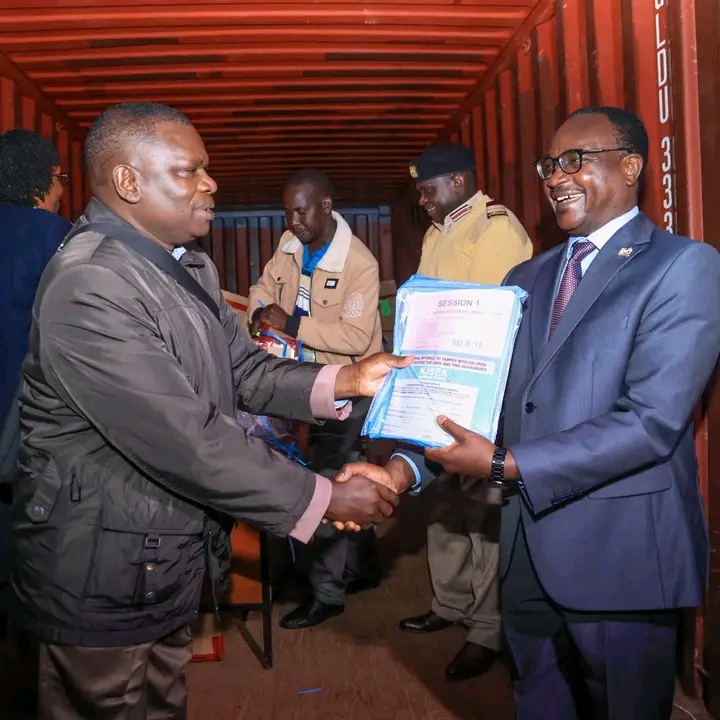
Education Cabinet Secretary Julius Migos Ogamba's visit to Sotik Sub-County on Friday, October 30, 2026, to witness the distribution of learning materials to KJSEA candidates highlights the government's continued attention to education and the successful implementation of the Competency-Based Educat
-
The reported killing of Benard Kiplangat Ngetich near Jambo Kenya has raised concerns among residents and local leaders in the Kipkelion area. According to a report published on October 24, 2026, Ngetich was attacked while walking home with his friend Wilson Rono, who survived with injuries. The rep
-
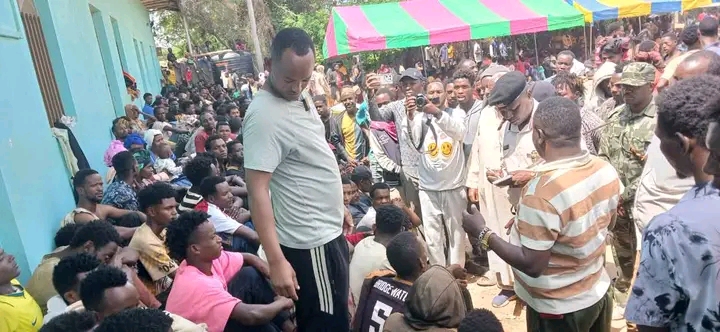
The displacement of approximately 40,000 Ethiopians into Marsabit County has created an urgent humanitarian challenge for Kenya. Families fleeing violence around Moyale need food, safe water, shelter, healthcare and protection, while the communities hosting them require additional resources to preve
-
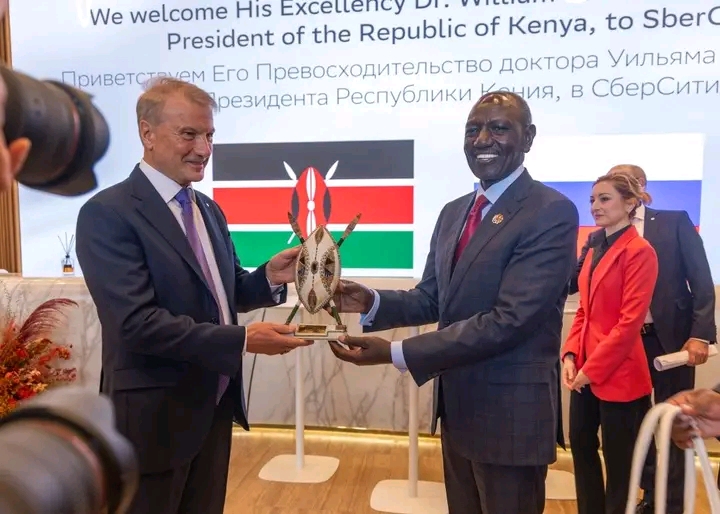
The President wants Russian companies to go beyond selling goods to Kenyan consumers and instead establish factories, invest in local industries, process resources and create employment. He has identified manufacturing, agriculture, energy, infrastructure, mining, engineering and technology as areas
-
The High Court has rejected the Teachers Service Commission’s (TSC) request to lift orders stopping the implementation of its circular regulating teachers’ conduct on social media. The decision means the rules remain suspended as the legal case continues. The dispute has attracted attention amon