



EPRA Reveals Major Energy Shift: Power Demand Hits Record High as Fuel Imports and LPG Use Surge
The EPRA report released on September 29 provides a broad assessment of Kenya's energy and petroleum sectors for the year ended June 30, 2026. Its findings show record electricity demand, increased generation, continued dominance of renewable energy, rising household electricity consumption, higher petroleum imports and strong growth in LPG use. However, the report also highlights challenges including longer power interruptions and petroleum and LPG-related accidents. The findings provide an important picture of how Kenya's energy sector is changing as demand increases and the country continues to invest in electricity, renewable energy, petroleum infrastructure and cleaner cooking solutions.
The Energy and Petroleum Regulatory Authority (EPRA) released its Energy and Petroleum Statistics Report for the financial year ended June 30, 2026, on September 29, 2026. The report provides a detailed picture of Kenya’s electricity, petroleum and renewable-energy sectors, showing rising energy demand, increased petroleum imports, stronger uptake of liquefied petroleum gas (LPG), growth in electric mobility and renewable generation, but also continued challenges with electricity reliability and petroleum-sector safety.
Electricity demand reaches a new record
One of the most significant findings in the EPRA review was the increase in Kenya’s electricity demand. The country recorded a new peak demand of 2,514.28 megawatts (MW) on June 29, 2026, representing an 8.55 percent increase from 2,316.22 MW recorded in the previous financial year.
This was the first time Kenya's peak electricity demand crossed the 2,500 MW mark. EPRA attributed the increase to continued growth in electricity connections and organic growth in electricity consumption.
Electricity generation also increased during the year. Total generation rose by 8.44 percent to 15,692.81 gigawatt-hours (GWh) from 14,472 GWh in the previous year.
Renewable energy continued to dominate Kenya's electricity generation mix. Renewable sources accounted for approximately 81.13 percent of electricity generated during the financial year, demonstrating the continued importance of geothermal, hydropower, wind and solar power in the country's electricity supply.
Geothermal remains an important source of power
The report showed continued investment in geothermal generation. During the year, Kenya added 70 MW of geothermal generation capacity, consisting of two 35 MW plants at the Menengai geothermal field in Nakuru County.
EPRA reported that geothermal accounted for 25.42 percent of installed generation capacity, followed by hydropower at 21.88 percent, thermal generation at 15.80 percent, solar photovoltaic at 14.73 percent and wind at 10.94 percent.
Overall installed electricity generation capacity increased by 3.81 percent to 3,987.20 MW by June 2026. Captive generation capacity also increased, particularly solar generation used by businesses and other consumers to meet part of their electricity requirements.
Household electricity consumption rises
Another important development highlighted by the report was the growth in electricity consumption by households.
Domestic electricity consumption increased by 18.87 percent to 4,327.07 GWh, with households accounting for a larger share of overall consumption. Industrial consumption also increased, although at a slower rate of 5.33 percent.
The figures indicate that electricity demand is not being driven only by large industries. Household connections and consumption are becoming an increasingly important part of Kenya's electricity market.
Electric mobility also recorded significant growth. Electricity consumption linked to electric mobility increased substantially during the financial year, while the number of customers using electricity for e-mobility also increased.
Power outages remain a major concern
Despite the growth in electricity generation and demand, EPRA's review also highlighted challenges facing electricity reliability.
Customers experienced an average of 3.91 power interruptions per month during the year, compared with 3.67 interruptions in the previous financial year. The average duration of each interruption increased to 3.23 hours, from 2.57 hours previously.
The System Average Interruption Duration Index (SAIDI), which measures the total average duration of interruptions experienced by customers, increased to 13.16 hours from 9.24 hours.
May 2026 was identified as the worst month for interruptions, with SAIDI reaching 27.33 hours. EPRA said the annual interruption figures remained above the regulator's prescribed targets.
This means that while Kenya's electricity system is expanding, reliability remains an issue for households and businesses. Longer power interruptions can affect manufacturing, shops, offices, hospitals, schools and other activities that depend on a stable electricity supply.
Petroleum imports increase
The EPRA review also showed increased activity in Kenya's petroleum market.
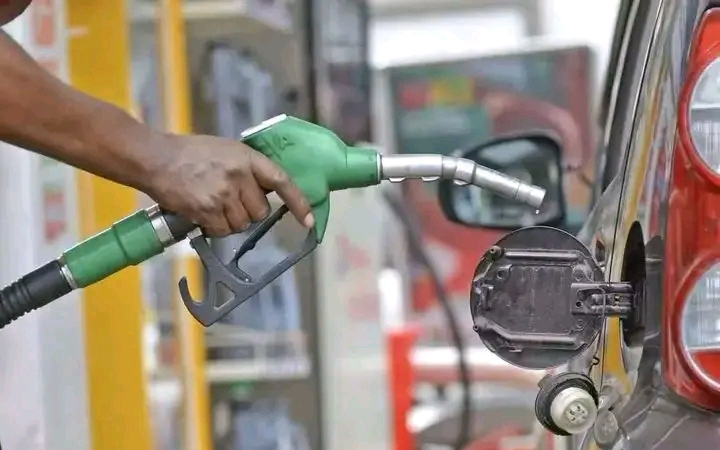
Petroleum product imports increased by 11.52 percent to 10.88 million cubic metres during the financial year. Domestic petroleum consumption also increased by 8.41 percent to approximately 6.33 million cubic metres.
The growth demonstrates continued dependence on petroleum products for transportation, industry and other economic activities.
EPRA's figures also showed that the Government-to-Government petroleum importation arrangement accounted for a significant proportion of total petroleum imports during the period.
The increased volume of imports comes at a time when Kenya continues to depend heavily on imported refined petroleum products. International crude oil prices, exchange-rate movements, shipping costs, taxes and other components therefore continue to influence domestic fuel prices.
Cooking gas consumption records strong growth
One of the other major findings was the increase in LPG consumption.
Kenya's LPG consumption increased by 14.72 percent to 475,943 metric tonnes during the 2025/26 financial year, compared with 414,861 metric tonnes in the previous year.
Per-capita LPG consumption increased from 7.9 kilogrammes to 8.9 kilogrammes.
EPRA linked the increase to improved availability of LPG, expanded importation and storage infrastructure and policies promoting cleaner cooking fuels.
The growth in LPG consumption is significant because cooking gas is increasingly being promoted as an alternative to traditional cooking fuels. Expansion of LPG infrastructure is expected to improve availability and support wider adoption.
Two facilities highlighted in the report are the Taifa Gas Terminal at Dongo Kundu and the Asharami Synergy storage facility at Kenya Petroleum Refineries Limited. The facilities are expected to add substantial LPG handling capacity.
Fuel quality inspections
EPRA also reported on its efforts to monitor the quality and integrity of petroleum products sold to Kenyan consumers.
During the financial year, the regulator conducted 10,354 fuel tests at 4,199 petroleum sites across the country. Of the inspected sites, 4,172, representing 99.36 percent, were found to be compliant, while 27 sites were identified as non-compliant.
EPRA said enforcement action and penalties were taken against the non-compliant outlets in accordance with the law.
The inspections are important because consumers depend on regulators to ensure that fuel sold at filling stations meets the required quality standards.
Petroleum and LPG safety challenges
The report also highlighted safety concerns in the petroleum and LPG sectors. During the year ended June 2026, petroleum and LPG-related accidents resulted in 22 deaths and 188 injuries, according to EPRA data. A total of 121 accidents were recorded, with tanker-related incidents accounting for a large proportion.
The figures underline the risks associated with transporting, storing and handling petroleum products and LPG. They also demonstrate the importance of compliance with safety standards by petroleum companies, transporters, filling stations and consumers.
Growth of Kenya's energy market
Overall, the latest EPRA review paints a picture of an energy sector that is expanding rapidly.
Electricity demand has reached record levels, electricity generation has increased, renewable energy remains dominant, LPG consumption is growing and petroleum imports are rising.
At the same time, the report identifies areas requiring continued attention, particularly electricity reliability, safety in petroleum transportation and distribution, fuel-quality enforcement and the country's dependence on imported petroleum products.
For ordinary Kenyans, the findings are relevant because developments in the energy sector have a direct connection to household expenses and the cost of doing business. Electricity availability affects businesses and homes, while petroleum prices influence transport costs and the prices of goods and services.
It is also important to distinguish this September 29 EPRA statistics report from the monthly petroleum pump-price review. The latest monthly fuel-price review was announced on September 14 and kept the maximum prices unchanged for the period September 15 to October 14, 2026. In Nairobi, the maximum prices are KSh214.03 per litre for Super Petrol, KSh217.86 for Diesel and KSh191.38 for Kerosene.

You Might Also Like
-
President William Ruto says Kenya will take a stake in the proposed Dangote East Africa Refinery and contribute its assets to the project, stressing that the country will invest and not expect anything for free.
-
Ugandan President Yoweri Museveni has praised Aliko Dangote as an African investor committed to developing the continent, while criticising leaders he says prioritise foreign interests over African development.
-
Prime Minister Abiy Ahmed's message during the Dangote East Africa Petroleum Refinery groundbreaking was centred on energy security, Ethiopia's access to additional fuel supplies, regional trade, industrialisation, investment and opportunities for young Africans. He described the Lamu refinery as a
-
Former Nigerian President Olusegun Obasanjo's attendance at the September 30, 2026 groundbreaking of the Dangote East Africa Petroleum Refinery in Lamu added historical and continental significance to the ceremony. His presence alongside President William Ruto, Aliko Dangote and other African leader
-
President William Ruto's September 30, 2026 groundbreaking ceremony with Aliko Dangote marks a major new chapter in Kenya's energy and industrial development. The proposed Sh2.2 trillion, 700,000-barrel-per-day Dangote East Africa Petroleum Refinery is expected to supply petroleum products to Kenya
-
Aliko Dangote says he is not intimidated by court challenges, maintaining that his team is ready to defend the proposed KSh2.2 trillion Lamu refinery through legal channels.