Farouk Kibet Sounds Alarm on Tribalism, Urges Kenyans to Unite and Maintain Peace Ahead of 2027 General Elections
Farouk Kibet's condemnation of tribalism and his appeal for peace ahead of the 2027 General Election highlight the importance of protecting Kenya's national unity during a politically sensitive period. His message to Kenyans is that political differences should not become reasons for hatred, violence or division. Instead, citizens should embrace peaceful coexistence, respect one another and participate in democratic processes without intimidation. His criticism of ethnic-based politics also reinforces the need for leaders to concentrate on development, accountability and policies that address the challenges facing ordinary Kenyans. As the country approaches the 2027 General Election, political leaders, religious institutions, security agencies and citizens all have a responsibility to safeguard peace.
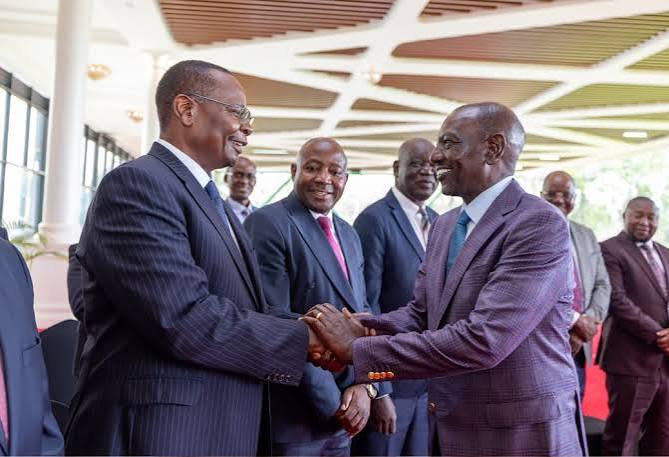
As Kenya gradually moves closer to the 2027 General Election, discussions surrounding national unity, political tolerance, peaceful campaigns and the fight against tribalism continue to gain attention. Farouk Kibet has condemned tribalism and urged Kenyans to maintain peace, respect one another and protect the country's unity as political activities begin gathering momentum ahead of the next general election.His message comes at a time when political temperatures are expected to rise as different political leaders, parties and coalitions position themselves for the 2027 presidential, parliamentary and county elections. With political competition already becoming a major subject of public discussion, calls for peaceful coexistence are increasingly important.
The appeal highlights the need for Kenyans to avoid being divided along ethnic lines and instead focus on issues that bring the country together. It also draws attention to the responsibility of political leaders and their supporters in ensuring that the forthcoming electoral period does not become a source of violence, hatred or unnecessary confrontation.Kibet criticised leaders who use ethnic identity to mobilise political support, arguing that Kenya should not be taken back to an era when communities were encouraged to view one another as political enemies. He maintained that Kenyans have a responsibility to protect the country's unity regardless of their ethnic backgrounds, political affiliations or personal differences.
His remarks came amid growing political activity as various leaders prepare for the 2027 elections. The political environment has increasingly been characterised by disagreements between government and opposition leaders, competing political interests and debates about the country's electoral preparedness.
According to Kibet, political leaders should concentrate on presenting their development agendas and explaining what they intend to do for Kenyans instead of encouraging divisions. He challenged politicians to demonstrate leadership that brings communities together rather than creating unnecessary disagreements.Kibet insisted that no individual should claim ownership of the votes belonging to millions of Kenyans. He maintained that voters have the freedom to decide which leaders deserve their support.
His remarks reflected the continuing political disagreements between allies of President Ruto and leaders associated with the opposition.
He further argued that political disagreements should not be transformed into ethnic confrontations because doing so risks damaging relationships among communities.
The political competition ahead of 2027 is expected to involve several presidential aspirants and political formations. However, Kibet maintained that the country should remain united throughout the process.He criticised calls for mass action against the Independent Electoral and Boundaries Commission (IEBC), arguing that political mobilisation should instead encourage more Kenyans to register as voters.
Kibet maintained that citizens should be given an opportunity to choose their preferred leaders through the ballot rather than being pushed into demonstrations.
He specifically rejected threats of mass action against the electoral commission in January, arguing that political actors should concentrate on encouraging voter registration.Kibet's criticism of tribal politics comes against this historical background. His message highlights the importance of ensuring that political competition does not destroy the peaceful relationships that Kenyans have built over the years.
As the country approaches the next general election, political leaders are expected to mobilise supporters, organise rallies and communicate their policies to voters.
However, these activities should take place within the law and respect the rights of other political groups.
Kenyans should be able to attend political meetings, support their preferred candidates and express their opinions without facing threats or discrimination.Religious leaders can also help prevent conflicts by encouraging dialogue between communities and discouraging the use of places of worship to spread political hatred.
In November 2026, the Interreligious Council of Kenya called on political leaders to reject hate speech, ethnic mobilisation and violence ahead of the elections.
The council also encouraged politicians to focus on policies rather than using fear and division to attract voters.
Such efforts demonstrate that protecting national unity requires cooperation between political leaders, religious institutions, civil society organisations and ordinary citizens.Political leaders have also been encouraged to avoid inflammatory statements and respect the rights of citizens regardless of their political affiliations.
Security agencies are expected to protect lives and property, maintain law and order and respond professionally to any threats of violence.
The IEBC must also work towards maintaining public confidence by ensuring that electoral preparations are transparent, credible and consistent with the Constitution.Kenyans should therefore encourage young people to participate in politics through constructive activities, including voter registration, peaceful campaigns, public debates and civic education.
Young people should avoid engaging in violence, spreading ethnic hatred or attacking individuals because they support different political parties.
Social media users also have a responsibility to verify information before sharing it.
False information, edited videos and inflammatory messages can spread quickly online and create unnecessary tension between communities.
Instead of using digital platforms to attack one another, young Kenyans can use them to discuss development priorities and hold leaders accountable.Unemployment remains a concern, particularly among young people seeking opportunities in the formal and informal sectors.
The high cost of living has also placed pressure on households, while businesses continue to face challenges associated with operating costs and access to affordable financing.
Other important issues include improving healthcare services, strengthening education, expanding infrastructure and addressing insecurity.
These are issues that affect Kenyans regardless of their ethnic communities.
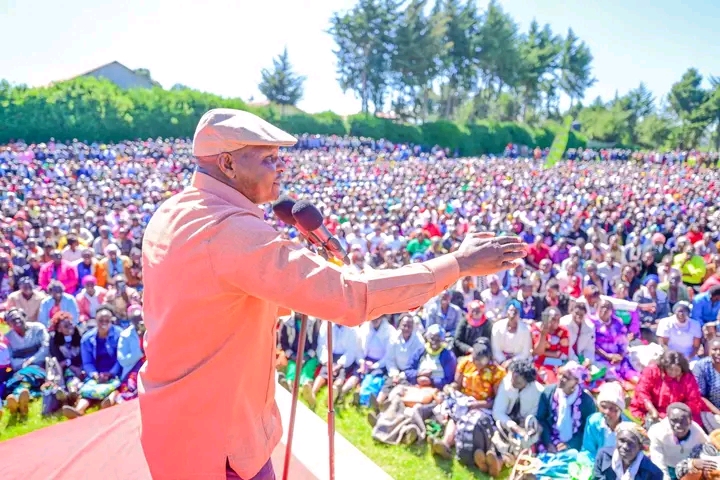
Political candidates should therefore explain how they intend to address these challenges instead of relying on ethnic mobilisation.Although Kibet condemned tribal politics and called for national unity, he also made his political position clear during the Elgeyo Marakwet gathering.
He expressed confidence that President William Ruto would win the 2027 presidential election.
He attributed the President's political support to what he described as his development agenda and vision for the country.
Kibet's remarks demonstrate that calls for peaceful elections are taking place alongside active political mobilisation by different political camps.
The 2027 election is expected to attract considerable competition as government and opposition leaders seek to convince Kenyans to support their respective agendas.
President Ruto's supporters are expected to campaign for his re-election, while opposition leaders will seek to present alternative leadership proposals.

You Might Also Like
-
Martha Karua's renewed declaration of her 2027 presidential ambitions marks an important development in Kenya's political preparations ahead of the next General Election. Through her People's Liberation Party and the "Simama na Kenya, Simama na Martha" mobilisation campaign, she is seeking to attrac
-
Bomet East MP Richard Yegon has threatened legal action against individuals and online platforms circulating alleged AI-generated videos and images linking him to the disappearance of nominated MP Sabina Chege's mobile phone. Addressing the National Assembly, Yegon denied any involvement in the inci
-
The Directorate of Criminal Investigations (DCI) and the Anti-Doping Agency of Kenya (ADAK) have signed a Memorandum of Understanding aimed at strengthening the fight against doping-related offences in the country. The partnership will enhance intelligence sharing, coordinated investigations and pro
-
The lawyer representing the family of slain former Rongo University student Sharon Otieno has questioned how former Migori Governor Okoth Obado will continue offering financial assistance to the family while serving his 25-year prison sentence for her murder. The concerns have renewed attention on t
-
President William Ruto is set to resume his Western Kenya development tour on Saturday, November 28, visiting Busia, Bungoma, Kakamega and Vihiga counties in a four-day programme running until December 1, 2026. The tour will feature the launch and commissioning of various development projects target
-
More than 380,000 students enrolled in public universities and colleges across Kenya could face disruptions to their education following a major funding shortfall at the Higher Education Loans Board (HELB). The board has revealed that it requires an additional KSh86.7 billion to meet its financial o