Gachagua Blames Alleged Corruption for Delays in Rironi–Mau Summit Highway Project
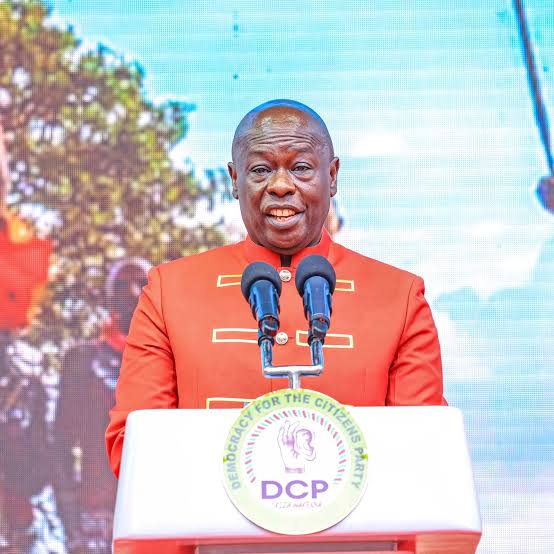
DCP leader Rigathi Gachagua has blamed alleged corruption in President William Ruto’s administration for delays in the Rironi–Mau Summit Highway project. He has dismissed Transport CS Davis Chirchir’s explanation that global bitumen shortages and supply chain disruptions are behind the delays. Gachagua also linked the stalled construction to the alleged withdrawal of Chinese engineers from the project. The remarks have reignited debate over the government's handling of major infrastructure projects. Motorists and businesses continue to await the completion of the key highway connecting Nairobi to western Kenya.
Gachagua Blames Alleged Corruption for Delays in Rironi–Mau Summit Highway Project
DCP leader Rigathi Gachagua has blamed alleged corruption within President William Ruto’s administration for delays in the construction of the Rironi–Mau Summit Highway, dismissing Transport Cabinet Secretary Davis Chirchir’s explanation that the project has been affected by shortages of bitumen resulting from geopolitical tensions and disruptions in global supply chains.
Gachagua's remarks have reignited debate surrounding the progress of the major infrastructure project, which is expected to improve transport connectivity between Nairobi and western Kenya. The highway serves as an important transportation corridor for motorists, businesses and communities that depend on road transport for economic activities.
The former Deputy President questioned the explanation provided by the Transport Cabinet Secretary, suggesting that the challenges facing the project were connected to alleged mismanagement rather than international supply chain difficulties. He instead attributed the delays to what he described as corruption within the current administration.
His remarks came amid growing public interest in the status of the highway project, particularly among motorists and residents who have been anticipating improvements along the busy transport corridor.
Transport Cabinet Secretary Davis Chirchir had previously linked the delays to difficulties in accessing bitumen, a key material used in road construction. The explanation pointed to international developments affecting petroleum supplies and the movement of construction materials across global markets.
Bitumen is an essential component in road construction because it is used in asphalt production and road surfacing. Its availability and price can influence the speed and cost of major infrastructure projects, particularly those requiring substantial quantities of construction materials.
However, Gachagua dismissed this explanation and questioned the government's handling of the project. He claimed that corruption allegations surrounding the administration had contributed to the challenges affecting the construction process.
The DCP leader also linked the project's difficulties to the reported withdrawal of Chinese engineers involved in the planned expansion of the highway. According to his claims, the departure of the engineers had affected the implementation of the project and contributed to uncertainty surrounding its progress.
The allegations have added a political dimension to discussions about the highway, with the opposition using the delays to question the government's management of major infrastructure investments.
The Rironi–Mau Summit road is a significant transport route connecting Nairobi with several counties in the Rift Valley and western regions of Kenya. It also forms part of a wider network used by commercial vehicles transporting agricultural produce, manufactured goods, fuel and other commodities across the country.
For many motorists, the road is an important link between the capital and destinations such as Nakuru, Kericho, Kisumu, Eldoret and other towns in western Kenya.
The proposed expansion is expected to improve traffic movement, reduce congestion and enhance road safety along sections that experience heavy traffic, particularly during weekends, public holidays and peak travel periods.
The highway also plays a major role in supporting trade between different parts of the country. Agricultural producers, traders and transport companies rely on the corridor to move goods to markets and distribution centres.
Consequently, delays in the implementation of the project have attracted attention from different stakeholders who expect the government to provide clarity on its progress and the challenges affecting construction.
Gachagua's criticism comes at a time when political discussions surrounding government performance and infrastructure development are becoming increasingly prominent ahead of the 2027 General Election.
Infrastructure has remained one of the major issues in Kenya's political debate, with successive administrations presenting road construction and expansion as important elements of their economic development programmes.
The current administration has continued to highlight infrastructure investment as part of its broader development agenda, arguing that improved transport networks can stimulate economic activity, create employment and facilitate the movement of people and goods.
However, opposition leaders have increasingly questioned the implementation of some government projects, focusing on delays, financing arrangements, procurement processes and the overall management of public resources.
Gachagua's latest remarks reflect this wider political disagreement, with the former Deputy President using the highway delays to raise questions about accountability and the government's approach to infrastructure development.
The allegations of corruption made by Gachagua remain his claims and have not, in the information provided, been independently established as the cause of the project's delays.
Nevertheless, the competing explanations have highlighted the need for clear communication regarding the factors affecting the highway's construction.
Members of the public are interested in understanding whether the challenges are related to the availability of construction materials, financing, contractor arrangements, procurement procedures or other implementation issues.
A project of this scale requires coordination between government agencies, contractors, engineers, suppliers and other stakeholders. Any disruption involving these parties can affect construction schedules and the eventual delivery of the infrastructure.
The withdrawal of engineers, as alleged by Gachagua, is therefore another issue that requires clarification, particularly regarding the status of the contractors and the arrangements for continuing the planned works.
The government is also expected to explain how it intends to address the material shortages cited by the Transport Cabinet Secretary and whether alternative supply arrangements can be secured to minimise further delays.
For residents and businesses along the corridor, the most important concern remains the timely completion of the project and the benefits it is expected to bring.
A properly expanded highway could improve movement between Nairobi and western Kenya, while reducing the challenges associated with traffic congestion and long-distance transportation.
It could also support economic activities in towns located along the route by improving access to markets, commercial centres and essential services.
The highway's importance extends beyond ordinary passenger transport. It provides a vital connection for businesses involved in agriculture, manufacturing, wholesale trade and other commercial activities. Farmers from the Rift Valley and western regions depend on the road to transport their produce to Nairobi and other major markets, making its condition an important factor in the cost and efficiency of doing business.
Transporters also use the corridor to move goods between the port of Mombasa, Nairobi and various destinations across western Kenya. Any prolonged disruption or delay in improving the road could therefore affect transportation costs, travel times and the movement of essential commodities.
The proposed expansion has consequently attracted significant public attention, with motorists expecting the project to address longstanding traffic challenges along the route.
Gachagua's criticism has also brought renewed attention to the government's responsibility to ensure that public infrastructure projects are implemented transparently and within their expected timelines.
Questions surrounding the management of public resources have remained a recurring issue in national political discussions, particularly as the country prepares for another General Election.
Opposition leaders have continued to demand greater accountability in the use of taxpayers' money, arguing that development projects should deliver measurable benefits to citizens. They have also called for transparency in government contracts and the management of major infrastructure investments.
On the other hand, the government has maintained that infrastructure development remains central to its economic transformation agenda, with investments in roads and other public facilities intended to improve connectivity and support economic growth.
The disagreement between Gachagua and Chirchir illustrates the competing explanations surrounding the highway's delayed construction. While the Transport Cabinet Secretary has pointed to international supply challenges, the former Deputy President has raised allegations of corruption and questioned the administration's handling of the project.
The two positions have placed the highway's progress at the centre of renewed political debate, with Kenyans expecting the relevant authorities to provide detailed information about the circumstances affecting construction.
For motorists who regularly travel between Nairobi and western Kenya, the continued uncertainty surrounding the project is a major concern. Long-distance drivers, public service vehicle operators and commercial transporters all depend on reliable road infrastructure to carry out their activities efficiently.
Improved road conditions would also benefit communities located along the corridor by creating better opportunities for trade, investment and access to essential services.
As political exchanges over the project continue, attention is expected to remain on the government's ability to address the reported challenges and provide a clear implementation plan.
The administration will also face questions about the availability of construction materials, the involvement of contractors and the measures being taken to ensure that the planned expansion proceeds without further setbacks.
Gachagua's remarks have added to the pressure for answers, particularly regarding the reported withdrawal of Chinese engineers and the allegations he has made concerning corruption.
Ultimately, the public will be looking for practical solutions rather than prolonged political exchanges. The successful implementation of the project will depend on addressing the challenges affecting construction, maintaining transparency and ensuring that the highway delivers the improvements promised to road users.

You Might Also Like
-
DCP Deputy Party Leader Cleophas Malala has dismissed claims that he is being sidelined within the party, insisting that he remains confident in his leadership position. He has maintained that the growing influence of Nyandarua Senator John Methu does not threaten his role in the political outfit. H
-
Jubilee Party leader Fred Matiang’i has urged opposition leaders to embrace inclusivity as they pursue plans to form a united opposition ahead of the 2027 General Election. He has warned that sidelining certain political players could trigger internal disagreements, weaken the coalition and deepen
-
The funeral of Bernard Kiplangat Ngetich in Kipkelion became an important moment for leaders from Kericho County to raise concerns about insecurity and accountability within security institutions. Led by Senator Aaron Cheruiyot, the leaders demanded that the DCI investigate allegations that some of
-
Education Cabinet Secretary Julius Migos Ogamba has announced that 1,048,355 candidates are sitting the 2026 KCSE examinations, marking a historic milestone as the number surpasses one million for the first time in Kenya’s examination history. The candidature represents a 5.27% increase from the 9
-
Aden Duale's development engagements in Garissa, including presiding over the groundbreaking of the KMTC project and inspecting affordable housing developments, have placed healthcare education and decent accommodation at the centre of the county's development agenda. His condemnation of the heckli
-
The supervision of KCSE examination distribution by Education Cabinet Secretary Julius Migos Ogamba at Borabu Sub-County in Nyamira County marks an important moment as Kenya begins the 2026 main written national examinations. With 1,048,355 candidates registered, the country faces a major responsib