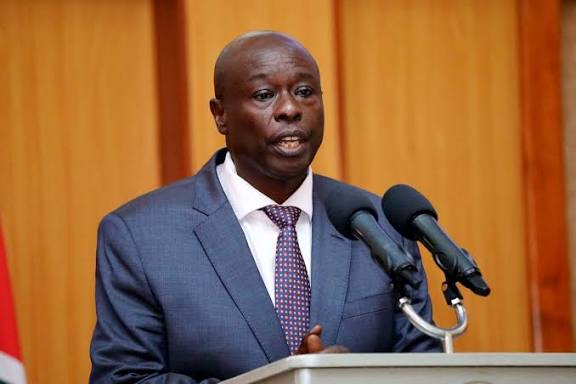
GACHAGUA DECLARES HIMSELF BEST PLACED TO LEAD EFFORTS TO OUST PRESIDENT RUTO
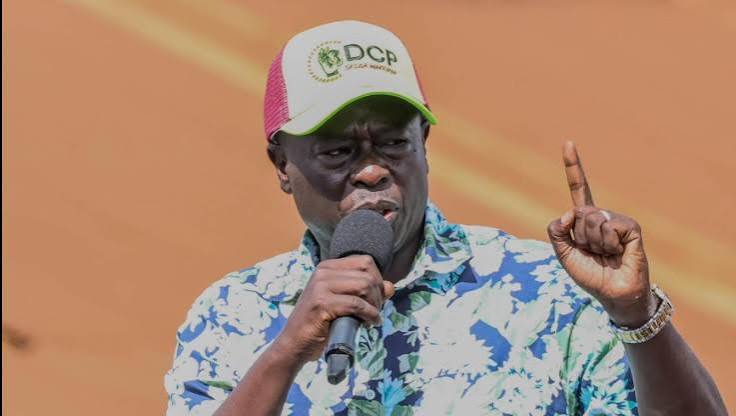
DCP Party Leader Rigathi Gachagua has declared that he is best positioned to lead efforts to remove President William Ruto from office, citing his political experience, strong mobilisation skills and ability to mobilise resources. Gachagua says his previous working relationship with the President gives him a deeper understanding of Ruto's leadership style, political strategies and administration than his former colleagues. The former Deputy President believes these qualities place him in a stronger position to organise a formidable political movement against the current government. His remarks come amid growing political tensions following his fallout with President Ruto and as political leaders begin positioning themselves ahead of the 2027 General Election. Gachagua's confidence now raises questions about his ability to unite different political groups, strengthen grassroots support and turn his political ambitions into a nationwide movement capable of challenging the Kenya Kwanza administration.
Rigathi Gachagua has intensified his political criticism of President William Ruto, presenting himself as the person best equipped to organise and lead efforts to remove the Head of State from office. The Democracy for the Citizens Party leader has cited his political experience, mobilisation skills, ability to mobilise resources and understanding of President Ruto as the key strengths that place him in a better position to challenge the current administration.
Gachagua has expressed confidence in his ability to bring together political leaders, supporters and other groups opposed to the government, arguing that successful political mobilisation requires experience, strategy and a clear understanding of the country's political environment. He believes his background in government and his previous working relationship with President Ruto give him an advantage in understanding how the administration operates and identifying the areas where political pressure can be applied.
The former Deputy President has also highlighted his ability to mobilise resources, describing it as an important factor in building a strong political movement. Political campaigns and opposition activities require coordination, organisation and financial support to sustain activities across different parts of the country. Gachagua believes his experience and networks can help bring together the resources needed to strengthen his political ambitions and expand his influence.
His remarks also reflect the growing political rivalry between him and President Ruto following their fallout after serving together in the Kenya Kwanza administration. The two leaders previously campaigned together ahead of the 2022 General Election, presenting a united political front that helped secure victory for their coalition. However, their relationship later deteriorated, leading to public disagreements over leadership, government policies and the direction of the administration.
Gachagua's removal from the Deputy President's office marked a major turning point in the country's political landscape. Since leaving government, he has increasingly positioned himself as a leading critic of the Ruto administration, accusing it of failing to honour some of the commitments made during the election campaigns. He has also sought to consolidate support among political leaders and communities that feel dissatisfied with the current government's performance.
His latest comments suggest that he intends to make his political experience and knowledge of the administration central to his opposition strategy. By describing himself as someone who understands President Ruto better than his former colleagues, Gachagua appears to be arguing that his previous position within the government gives him an advantage in anticipating the administration's political decisions and responding to its strategies.
The remarks also underline the importance he attaches to grassroots mobilisation. In Kenya's political environment, support at the community level often plays a significant role in determining the strength of political parties and individual candidates. Leaders seeking to challenge an incumbent administration must establish networks across counties, constituencies and wards while maintaining communication with supporters.
Gachagua has repeatedly placed emphasis on the need to build a political movement capable of attracting support beyond individual political leaders. His mobilisation strategy is likely to depend on engaging elected representatives, aspirants, community organisers and ordinary citizens who share concerns about the government's leadership. Such networks can help political parties communicate their agenda, organise public engagements and strengthen their presence in different regions.
His reference to understanding President Ruto also carries political significance because the two leaders previously worked closely within the same administration. As Deputy President, Gachagua was involved in government activities and political engagements, giving him direct exposure to the leadership structure and decision-making environment of the Kenya Kwanza government. He now appears to be presenting that experience as an advantage in his efforts to challenge the President politically.
However, removing a sitting President from office is not determined by political declarations or mobilisation alone. Kenya's Constitution provides specific procedures through which a President can leave office, including resignation, impeachment under the constitutional process or the conclusion of an electoral term. Any political effort aimed at changing the country's leadership must therefore operate within the law and the constitutional framework.
Gachagua's comments come at a time when political parties and leaders are positioning themselves ahead of the 2027 General Election. The contest is expected to attract intense competition as different political formations seek to establish alliances, identify candidates and develop strategies for securing support from voters. The opposition's ability to coordinate its activities and present a common political agenda is likely to remain an important issue in the months ahead.
For the DCP leader, building a strong political organisation will be central to demonstrating that the confidence he has expressed can translate into practical political influence. Mobilising supporters across the country requires more than public rallies and political statements. It involves establishing party structures, identifying local organisers, maintaining consistent engagement with communities and developing messages that address the concerns of voters.
His ability to attract influential political figures could also shape the strength of his movement. Elected leaders and political aspirants often play an important role in connecting national party leadership with grassroots supporters. Their participation can help expand a party's reach, although maintaining unity among leaders with different political interests can present challenges.
Gachagua's remarks may also intensify debate within the opposition about who should take the lead in challenging President Ruto. Several political figures have expressed interest in shaping the direction of the opposition, with different leaders presenting their experience, national networks and political influence as reasons they should play a central role. The question of leadership, coordination and possible alliances is therefore expected to remain significant as the country moves closer to the next election.
At the same time, the government is likely to face continued scrutiny over its policies, economic decisions and delivery of development promises. These issues provide political opponents with an opportunity to question the administration's performance and present alternative proposals. The extent to which such criticism influences public opinion will depend on the concerns of voters and the credibility of the alternatives offered by competing political leaders.
Gachagua's focus on mobilisation suggests that he considers public support a major instrument in the effort to challenge the current administration. Political mobilisation can bring together people with shared interests, strengthen party identity and create pressure for political change. However, sustaining such support requires consistent engagement, clear priorities and the ability to address issues affecting ordinary citizens.
The former Deputy President's experience in the national government is likely to remain a central part of his political messaging. He has used his previous position and relationship with President Ruto to explain why he believes he understands the administration's strengths and weaknesses. His supporters may view this experience as an advantage, while his political opponents may question whether it is sufficient to guarantee success in a future electoral contest.
As the political landscape continues to evolve, attention will increasingly focus on whether Gachagua can translate his confidence into a broad and organised political movement. His ability to mobilise leaders, resources and grassroots supporters will be tested by the demands of party organisation, alliance-building and the need to maintain a consistent national message.

You Might Also Like
-
A Nakuru court has found two Kenya Wildlife Service (KWS) officers guilty of abducting fisherman Brian Odhiambo, who went missing on January 18, 2025, near Lake Nakuru National Park. The ruling marks a significant development in a case that has raised concerns about the conduct of security officers,
-
President William Ruto has called for regular reviews of academic programmes offered by universities in Kenya to ensure they remain relevant, effective and responsive to the country's changing needs. Speaking during the National Defence University-Kenya graduation ceremony in Lanet, Nakuru County, t
-
Democracy for the Citizens Party (DCP) Leader Rigathi Gachagua has warned IEBC Chairperson Erastus Ethekon against presiding over an election marred by irregularities, insisting that Kenyans are determined to have a transparent, free and fair 2027 General Election. Gachagua maintained that there wou
-
President William Ruto on Thursday, November 26, 2026, presided over the fourth graduation ceremony at the National Defence University-Kenya in Lanet, Nakuru County, where he announced major initiatives aimed at strengthening national security, research and higher education. The President committed
-
The National Transport and Safety Authority (NTSA) has announced plans to suspend approximately 300,000 driving licences within seven days over unpaid traffic fines, giving affected motorists a limited period to clear their outstanding penalties and avoid losing their driving privileges. The planned
-
Energy and Petroleum Cabinet Secretary Opiyo Wandayi's appearance at the KenGen Sustainable Energy Conference in Olkaria on November 26, 2026, has highlighted the government's ambition to expand Kenya's energy industry. His announcement that KenGen could participate in oil drilling in the South Loki