Gachagua Drops Major 2027 Election Bombshell: Opposition to Unite Behind ONE Presidential Candidate to Challenge Ruto
Rigathi Gachagua's latest assurance that the opposition will field one presidential candidate against President William Ruto in 2027 has placed unity at the centre of Kenya's emerging election debate. The DCP leader has maintained that opposition leaders must be prepared to put aside personal ambitions and support a common candidate. His willingness to consider stepping aside if necessary could help strengthen negotiations, but the real test will come when the opposition must choose its nominee. With several prominent politicians interested in the presidential contest, the process will require compromise, trust and a credible agreement among the participating parties.
Democracy for Citizens Party (DCP) leader Rigathi Gachagua has renewed his commitment to opposition unity ahead of Kenya's 2027 General Election, assuring Kenyans that opposition leaders will settle on one presidential candidate to challenge President William Ruto.
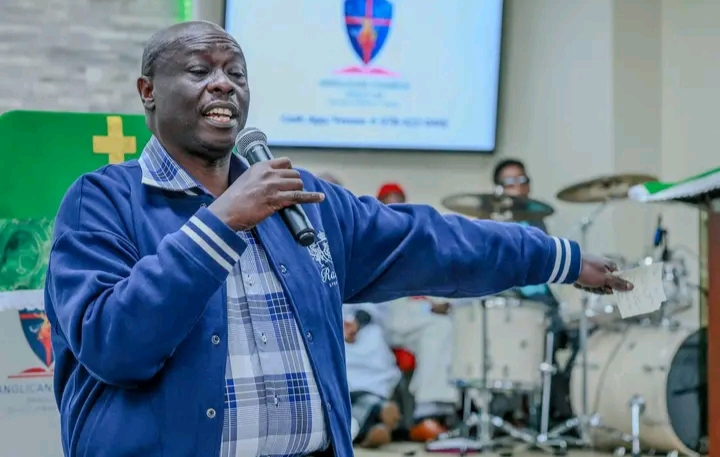
Speaking during a church service at St. Stephen’s ACK Church in Dracut, Massachusetts, in the United States, on Sunday, October 11, 2026, Gachagua dismissed suggestions that divisions within the opposition would prevent the formation of a united political front. He said the opposition was determined to work together and do everything possible to ensure it presents a single candidate in the presidential contest. The declaration comes as political parties and prominent opposition figures continue positioning themselves ahead of the 2027 elections. With several leaders expressing presidential ambitions, the question of who will eventually receive the opposition's endorsement has become one of the central issues in Kenya's developing political contest.
Gachagua's message is that individual ambitions should not be allowed to undermine the broader objective of bringing opposition supporters together behind one candidate. However, the success of the plan will depend on whether the different political leaders can agree on a flag bearer and convince their supporters to respect the final decision.During his address to Kenyans living in the United States, Gachagua dismissed claims that opposition leaders were too divided to agree on a common presidential candidate.
He maintained that the opposition was committed to avoiding a situation in which several candidates from the same political camp compete against one another, potentially splitting their combined support and giving the incumbent president an advantage.
According to a report published on October 12, Gachagua said Kenyans wanted the opposition to win the election in the first round and pledged to do everything possible to achieve unity. One of the most important aspects of Gachagua's unity campaign is his willingness to support another opposition leader if he is not selected as the coalition's presidential candidate.
The DCP leader has previously stated that he is prepared to put aside his personal ambitions if doing so would help the opposition defeat President Ruto in 2027.
On October 4, 2026, while speaking at PCEA Tumaini Church in Springfield, Massachusetts, Gachagua said he was ready to make sacrifices to ensure the opposition presents one candidate. He described himself as a leading contender but maintained that the larger political objective should take priority over his individual ambition. This position places Gachagua in a delicate political situation. On one hand, he is working to strengthen DCP and expand his political support. On the other, he is publicly promising to remain committed to a united opposition even if another leader wins the coalition's endorsement.
His willingness to step aside could help build confidence among opposition allies who fear that presidential ambitions might eventually tear the alliance apart.
However, the ultimate test will be whether all the presidential hopefuls make similar commitments and honour them when the time comes to select a flag bearer.Kenya's presidential election rules also make broad-based support important. Under Article 138 of the Constitution, a presidential candidate must receive more than half of all votes cast nationally and at least 25 per cent of the votes cast in more than half of the counties to be elected in the first round.
This means that a candidate needs more than a strong showing in one region. Building a successful presidential coalition requires support across different parts of the country.
For Gachagua and his allies, cooperation among opposition parties could make it easier to combine their respective voter bases and campaign resources.The issue is important because political coalitions can face their greatest difficulties during candidate selection. Leaders who cooperate while campaigning against the government may become rivals when the question of who should lead the alliance is raised.
Gachagua's challenge is therefore twofold: he must persuade other leaders to commit to the coalition's decision, while also convincing his own supporters that unity remains important even if he is not the nominee.Gachagua's latest declaration comes amid continuing debate about whether opposition leaders will remain united until the 2027 election.
He has previously urged his colleagues to discourage supporters from threatening to vote for Ruto if their preferred opposition candidate is not selected. Speaking to Kenyans in Dallas in September 2026, he argued that such statements undermine efforts to build a united opposition.
He also said he was personally prepared to support whoever the opposition selected, even if he did not receive the presidential ticket. Although Gachagua has repeatedly promised that the opposition will field one presidential candidate, the final choice has not been confirmed in the reports available as of October 12, 2026.
In August, he indicated that the opposition could settle on its candidate around March or April 2027. He argued that the immediate priority should be political mobilisation, voter registration and strengthening the opposition's support rather than rushing to announce a nominee. By assuring Kenyans that the opposition will have one presidential candidate, Gachagua is seeking to project confidence in a political alliance that still faces difficult negotiations.
His message is that the opposition should focus on the common objective of winning the 2027 election instead of allowing competition among its leaders to weaken the movement.
He has also placed personal responsibility at the centre of his argument by saying he would be willing to sacrifice his own presidential ambition if another candidate were considered more suitable.Whether other opposition leaders will make comparable commitments and whether supporters will accept the final choice remain important questions.
The coalition will also need to establish agreement on its manifesto, leadership structure, campaign strategy and approach to governance if it hopes to maintain unity beyond the presidential nomination

You Might Also Like
-
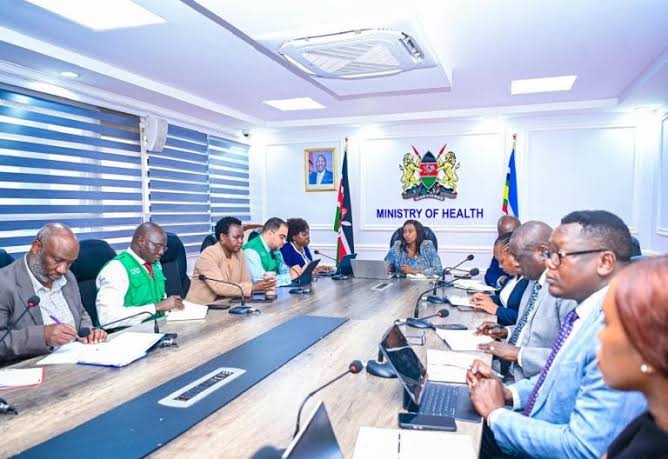 Ps mary muthoni leads the national multi-agency ebola taskforce in reviewing response operations, coordinating resources and strengthening preparedness measures following an imported ebola case in kenya, as authorities intensify efforts to prevent further transmission and protect public health.
 -
Two police officers attached to kinjo police patrol base in meru county have been arrested over allegations of defiling a three-year-old girl. the suspects are expected to appear before the githongo law courts as investigations continue.
-
President william ruto announces ksh850 million for the construction of small-scale tea factories, aiming to support tea farmers, boost local processing and create employment opportunities in tea-growing regions.
-
Deputy President Kithure Kindiki's visit to Othaya Constituency in Nyeri County on October 12, 2026, centred on two major development activities: the launch of the Kihuro–Kirio–Kianjogu Last Mile Electrification Project and the inspection of the Gathunguri–Waihara–Kabebero road. The electri
-
The kenya kwanza administration is accelerating infrastructure development in nandi county, with 350km of roads under construction, 23,000 households targeted for electricity connectivity, 15 modern markets, 3,500 affordable housing units and 6,000 student hostel units. president william ruto and ot
-
Chief Justice Martha Koome's visit to Kimana in Kajiado County for the International Day of the Girl Child on October 11, 2026, placed the protection and empowerment of vulnerable girls at the centre of national attention. The graduation of 200 rescued girls following skills and leadership training