



Gachagua Lands in Boston: Diaspora Meetings, Church Message and Fresh Political Push Take Centre Stage
Rigathi Gachagua has arrived in Boston, Massachusetts, as he enters the final phase of his extensive United States tour, where he is engaging Kenyans in the diaspora on matters of national development, investment, leadership and Kenya’s political future. Accompanied by his wife, Pastor Dorcas Rigathi, Gachagua has also met religious leaders and emphasized the role of spiritual values in shaping society and public policy. His Boston engagements come after stops in several US cities, including Dallas, where he held meetings with Kenyans and discussed investment opportunities in Kenya. With his tour taking place ahead of the 2027 General Election, Gachagua has also continued advocating for cooperation among opposition forces while criticizing President William Ruto’s administration.
Rigathi Gachagua has arrived in Boston, Massachusetts, as he continues an extended tour of the United States focused on engaging Kenyans living abroad, discussing Kenya’s economic future and advancing his political message ahead of the 2027 General Election. His Boston visit began on October 1, 2026, and is scheduled to run until October 9, marking the final major stop on his approximately 50-day US tour.
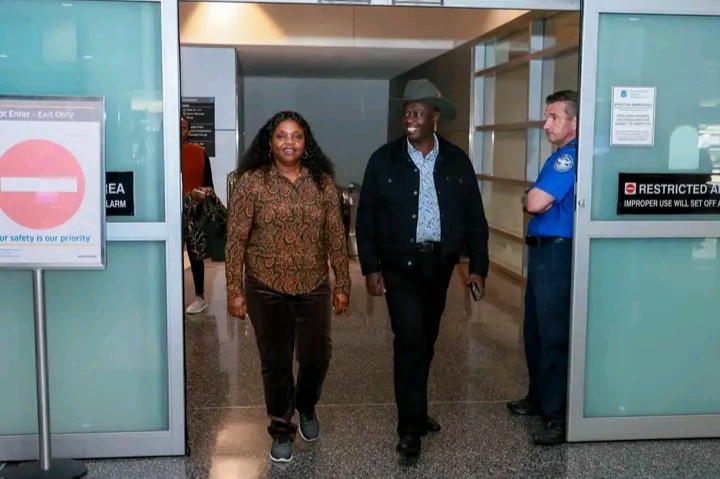
Gachagua, who leads the Democracy for Citizens Party (DCP), arrived in Boston together with his wife, Pastor Dorcas Rigathi. He was also accompanied by Embakasi North MP James Gakuya and Embakasi Central MP Benjamin Gathiru, popularly known as Mejja Donk. Members of the Kenyan community received Gachagua and his wife upon arrival and presented them with flowers.
Focus on Kenyans living in the diaspora
One of the central themes of Gachagua's Boston visit is his engagement with Kenyans living and working in the United States. In his remarks after arriving in the city, he described the visit as part of his continued consultations with the Kenyan diaspora.
Gachagua has repeatedly argued during his US tour that Kenyans living abroad should have a greater role in discussions about Kenya's development. He has pointed to the achievements of Kenyans overseas as evidence of the skills, resilience and determination of Kenyans.
According to his remarks reported after his arrival, Gachagua said Kenyans succeeding abroad demonstrate the talent available in Kenya and argued that their skills and experience should not be overlooked. He said the knowledge acquired by the diaspora could contribute to managing national resources and building Kenya's wealth.
This message has been a consistent feature of his American tour. During previous stops, including Dallas, Gachagua held meetings with diaspora groups and discussed the role Kenyans abroad can play in national development.
Boston comes after Texas
Gachagua's arrival in Boston followed the conclusion of his engagements in Texas. He had been in Dallas since September 25 before travelling to Massachusetts.
The Texas leg included meetings with Kenyan diaspora groups and investors. His political party said some investors expressed interest in investing in Kenya and creating employment opportunities. The discussions were presented as part of a broader effort to connect Kenya's economic opportunities with Kenyans and investors living in the United States.
The Boston stop therefore comes at the end of a lengthy tour that has taken Gachagua through several parts of the United States.
The published itinerary for the trip placed Spokane, Washington, as the first major engagement, followed by Portland, Oregon, Kansas, Dallas and finally Boston. The Boston leg is scheduled to continue through October 9.
Meeting religious leaders in Boston
Another important aspect of Gachagua's Boston visit has been his interaction with religious leaders.
After arriving in Massachusetts, Gachagua and Pastor Dorcas Rigathi met local clergy and participated in an indoor prayer service. During the engagement, he emphasized the role of the church in guiding society and making moral decisions.
Gachagua said spiritual wisdom should be considered when Kenya develops laws, public policies and approaches to moral questions. He described the church as an important community where moral character is developed and religious teachings are practiced.
His comments place religion among the institutions he believes should contribute to conversations about Kenya's future.
The remarks also fit into a wider theme that Gachagua has raised during his public engagements: the importance of community institutions, accountability and values in national leadership.
His political message
Although the Boston visit has been presented primarily as a diaspora engagement, it is also taking place as Kenyan political parties and leaders prepare for the 2027 General Election.
Gachagua has used his US tour to discuss Kenya's political direction and the possibility of greater cooperation among opposition groups. He has repeatedly spoken about the need for opposition parties to work together.
In Boston, he continued making political statements concerning the opposition and the next election. During an engagement with clergy, Gachagua accused President William Ruto of attempting to divide opposition forces. These were Gachagua's political claims, rather than independently established facts.
He has also maintained that opposition groups should work toward presenting a united challenge in the 2027 election.
His Boston remarks therefore come at a time when political realignments are becoming increasingly significant in Kenya's preparations for the next national election.
Gachagua's concerns about the diaspora
A major argument running through Gachagua's US tour is that Kenyans abroad have a significant economic connection to the country.
Kenyans living overseas send money to families and communities in Kenya, invest in businesses and maintain professional links with the country. Gachagua has argued that these contributions give the diaspora an important interest in how Kenya is governed and how public resources are managed.
Earlier during his tour, he called for Kenyans abroad to participate more actively in national discussions and development. His Boston message has continued that theme by emphasizing the knowledge, skills and experience of diaspora communities.
This is particularly relevant as Kenya's diaspora community continues to grow in influence through remittances, investments, professional expertise and international networks.
Economic discussions
Gachagua's US tour has not been limited to political meetings. Investment and employment have also featured prominently.
During his Dallas engagements, his party reported that he met investors interested in opportunities in Kenya. The discussions reportedly focused on investment potential and job creation.
Gachagua has linked such discussions to the broader need to create an environment where investors can establish businesses and employ Kenyans.
He has also criticized what he describes as corruption and unclear government processes, arguing that such issues can discourage investment. Those statements represent his political position and should be distinguished from independently verified assessments of Kenya's investment environment.
The Boston diaspora gathering
Gachagua's Boston programme also includes community activities designed to bring Kenyans together.
One publicly advertised event is a Boston dinner scheduled for October 3, 2026, in Dracut, Massachusetts. The event is organized around the theme of strengthening relationships within the Kenyan diaspora and is advertised as an opportunity for members of the community to meet Gachagua and his wife.
Such gatherings provide an opportunity for political figures to interact directly with Kenyans living abroad, hear concerns from the community and discuss developments back home.
Why the Boston visit matters
The Boston visit is significant because it brings together several issues that have featured throughout Gachagua's US tour: diaspora participation, investment, national development, religion and Kenyan politics.
It also demonstrates how the Kenyan diaspora has become an increasingly important audience for political leaders. Kenyans living abroad maintain family, economic and social connections with Kenya, while some participate in elections through the diaspora voting system.
For Gachagua, the tour has provided an opportunity to communicate his political ideas outside Kenya while interacting directly with Kenyans in different American cities.
His decision to spend several days in Boston also indicates the importance attached to the Kenyan community in Massachusetts. Rather than making a brief stop, his published itinerary gives the city several days of engagements before the tour concludes on October 9.
Looking ahead
As Gachagua continues his Boston engagements, attention is likely to remain on what he tells Kenyans about Kenya's political future, the role of the diaspora and his plans ahead of the 2027 General Election.
His visit is taking place against a backdrop of increased political activity as different parties and political leaders consider alliances and strategies for the next election. His comments about opposition cooperation and the role of Kenyans abroad are therefore part of a broader political conversation that is already developing ahead of 2027.
For the Kenyan diaspora, the visit also provides an opportunity to raise issues concerning investment, governance, economic opportunities, consular services and participation in national affairs.
Gachagua's Boston message has so far placed particular emphasis on using the expertise of Kenyans abroad to contribute to Kenya's development. He has argued that successful Kenyans overseas should be viewed as an asset whose knowledge and experience can help build the country's economy.
Overall, Gachagua's Boston visit represents the final phase of an extensive American tour that has combined diaspora consultations, political engagements, religious meetings and investment discussions. His meetings in Massachusetts continue his effort to maintain contact with Kenyans abroad while presenting his views on Kenya's political and economic future.

You Might Also Like
-
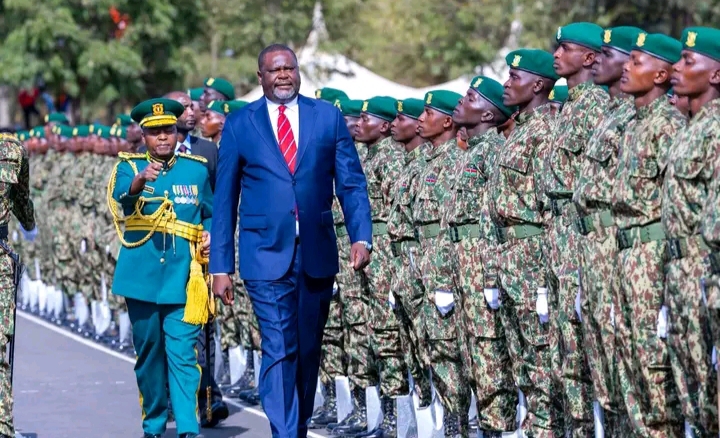
Public Service Cabinet Secretary Geoffrey Ruku represented President William Ruto at the NYS passing-out parade at the Paramilitary Academy in Gilgil on October 2, 2026, where 15,363 recruits from the 01/2026 cohort graduated after six months of intensive training. The class included 11,527 men, 3,8
-
Deputy President Kithure Kindiki's announcement in Kiambu on October 2, 2026, signals a renewed phase in the government's campaign against illicit and harmful alcoholic drinks. The fresh inspections will target alcohol manufacturing premises to determine whether they comply with health, safety, qual
-
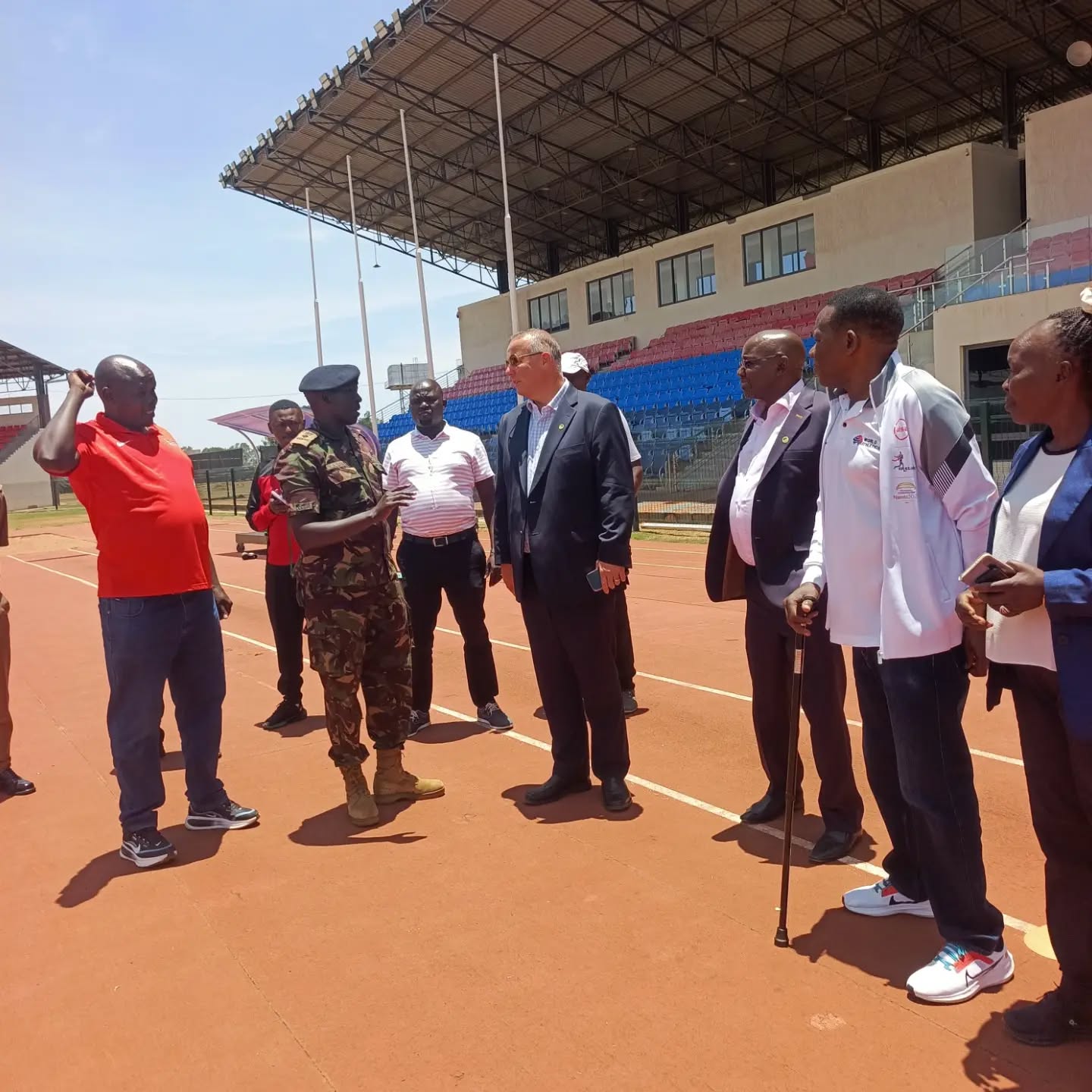
Kenya has begun preparations to host the 2029 World Athletics Championships, with World Athletics official Pierce O’Callaghan inspecting Kasarani, Nyayo and Ulinzi Sports Complex to guide infrastructure upgrades ahead of the global event.
-
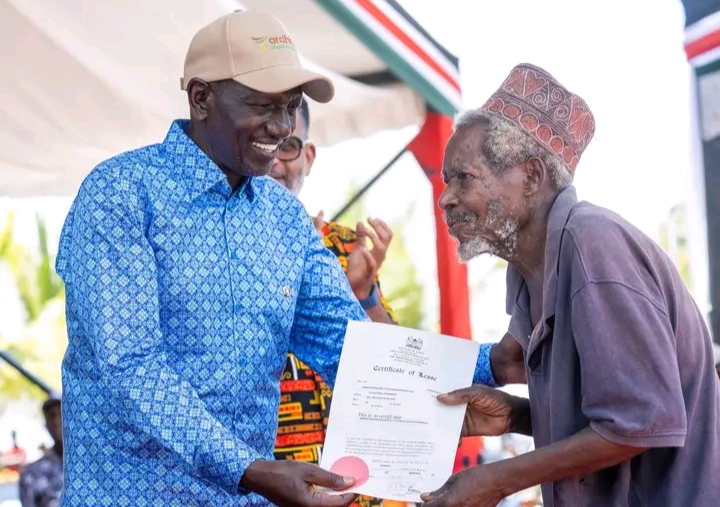
President William Ruto on October 2, 2026, presided over the issuance of about 5,000 title deeds to residents of Mombasa County at the Mama Ngina Drive Grounds, as part of a wider government programme aimed at resolving longstanding land ownership and squatter problems at the Coast. The Mombasa issu
-
Nairobi Governor Johnson Sakaja has given contractors 14 days to complete flood-control projects, as the county steps up efforts to improve drainage and tackle flooding across the city.
-
Counter-protests erupted outside Standard Group headquarters after pro-government supporters demonstrated over the media house’s coverage of President Ruto’s administration, drawing a response from human rights activists.