GOVERNMENT REPORT RAISES ALARM OVER STRUCTURAL SAFETY OF BUILDINGS ACROSS KENYA
A government report has raised concerns over building safety across Kenya after more than half of the structures inspected nationwide were found to be structurally unsound. The inspections, conducted between July 1, 2025, and April 2, 2026, have highlighted serious weaknesses in the construction sector. The findings have renewed questions about building standards, construction supervision and regulatory enforcement. Unsafe structures pose significant risks to residents, workers and members of the public. The government now faces growing pressure to strengthen inspections, enforce construction regulations and protect lives.
The discovery that more than half of the buildings inspected across Kenya between July 1, 2025, and April 2, 2026, are structurally unsound has raised serious concerns about the safety of buildings and the effectiveness of construction regulations in the country. The findings, contained in a government report, point to a worrying situation in which thousands of people could be living, working or conducting business in buildings that may not meet the required structural safety standards.
Buildings are expected to provide safe environments for residents, workers, business owners and members of the public. However, the revelation that a significant proportion of inspected structures failed to meet structural safety requirements raises concerns about the risks associated with poorly constructed or inadequately maintained buildings.
Structural soundness is an essential requirement in any construction project because it determines whether a building can safely withstand the weight of its occupants, furniture, equipment and other loads. It also determines its ability to withstand environmental conditions and other forces that may affect its stability over time.
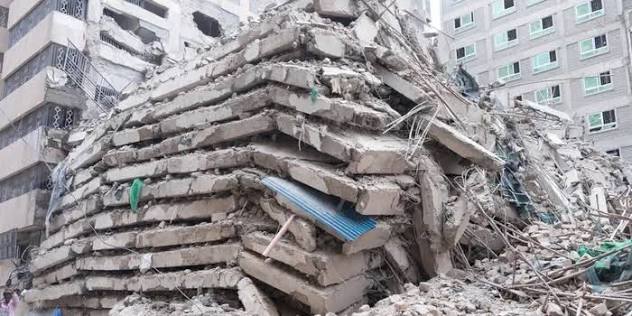
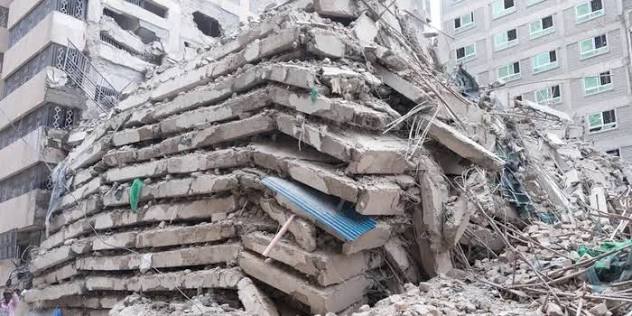
When buildings fail to meet the required structural standards, the consequences can be severe. Weak foundations, poorly reinforced columns, substandard construction materials and inadequate structural designs can expose occupants to serious danger. In extreme situations, such weaknesses may contribute to partial or complete building collapses, resulting in injuries, loss of lives and destruction of property.
The government report therefore places renewed attention on the importance of conducting regular inspections and ensuring that buildings comply with established safety requirements before, during and after construction.
The findings also raise questions about how buildings that do not meet the required standards manage to progress through different stages of construction without the necessary concerns being addressed. Building approvals, inspection procedures and professional supervision are intended to prevent unsafe structures from being occupied. However, the reported findings suggest that more attention may be required to strengthen these processes.
Kenya has experienced several building-related incidents in recent years, with some resulting in tragic loss of life and significant property damage. Such incidents have repeatedly exposed weaknesses in construction supervision, regulatory enforcement and compliance with approved building plans.
Building collapses often attract public attention after disasters occur, but the latest report highlights the importance of identifying structural weaknesses before they develop into emergencies. Regular inspections can help authorities identify dangerous buildings, recommend corrective measures and prevent avoidable tragedies.
The challenge is particularly important in rapidly growing urban areas where demand for residential houses, commercial premises and office spaces continues to increase. As populations expand and more people move into towns in search of employment, education and business opportunities, developers face growing pressure to provide affordable accommodation and commercial spaces.
This demand has contributed to increased construction activities in different parts of the country. However, the speed of development must not come at the expense of public safety. Every building, regardless of its size, location or intended use, must meet the minimum structural requirements established by relevant authorities.
The report also raises concerns about the responsibility of property developers and construction professionals in ensuring that projects meet approved standards. Developers are expected to engage qualified architects, engineers, contractors and other professionals throughout the construction process.
These professionals play an important role in ensuring that buildings are designed and constructed according to the required specifications. Structural engineers, in particular, assess the strength and stability of buildings, ensuring that foundations, columns, beams and other supporting components can safely carry the expected loads.
Contractors are also responsible for ensuring that construction activities follow approved designs and that appropriate materials are used. Any deviation from approved plans without the necessary professional assessment and authorisation can compromise the safety of an entire structure.
The use of substandard construction materials is another concern frequently associated with unsafe buildings. Cement, steel reinforcement bars, concrete and other materials must meet the required quality standards to guarantee the strength and durability of structures.
Where cheaper or inferior materials are used to reduce construction costs, buildings may fail to achieve the structural performance expected of them. Such practices can expose occupants to risks that may not be immediately visible but could become increasingly dangerous as the structure ages.
The government findings could therefore prompt renewed scrutiny of the entire construction supply chain, including the quality of materials available in the market and the professionals responsible for overseeing building projects.
County governments also have an important responsibility in regulating construction activities within their jurisdictions. Through planning approvals, development control and building inspections, county authorities are expected to ensure that construction projects comply with the applicable laws and safety requirements.
Effective coordination between national and county government agencies is equally important in addressing the challenges identified in the report. Clear responsibilities, consistent inspection procedures and timely enforcement measures can help prevent unsafe buildings from being developed or occupied.
Where structural weaknesses are identified, authorities must ensure that appropriate action is taken depending on the severity of the problem. Some buildings may require immediate evacuation, while others may need structural reinforcement, repairs or further technical assessments before they can safely accommodate occupants.
Property owners must also recognise that their responsibility does not end when construction is completed. Buildings require proper maintenance, periodic assessments and timely repairs to remain safe for occupation. Neglecting maintenance can weaken structural components and increase the risk of accidents, particularly in older buildings.
For tenants and members of the public, the findings serve as a reminder of the importance of building safety. People living or working in residential and commercial properties depend on developers, property owners and regulatory authorities to ensure that the structures they occupy are safe.
However, many occupants may have limited knowledge of the structural condition of the buildings they use daily. Unlike visible defects such as broken windows or damaged doors, some structural weaknesses can remain hidden behind walls, ceilings and other building components.
This makes professional inspections particularly important because qualified experts can identify problems that ordinary occupants may not easily recognise. Cracks in walls, sinking foundations, exposed reinforcement bars and unusual structural movements may indicate potential problems that require urgent assessment.
The government report also presents an opportunity for authorities to review existing building inspection programmes and determine whether they have adequate personnel, technical resources and enforcement capacity to address the situation.
Public safety should remain the central consideration in all decisions involving construction and property development. Economic growth and urban expansion are important, but they cannot justify allowing buildings that pose risks to human life to remain in use without proper intervention.
The findings further underline the importance of transparency and accountability in the construction sector. Developers who disregard approved construction standards should face appropriate consequences, while professionals involved in approving or supervising unsafe projects must also be held accountable where negligence or misconduct is established.
At the same time, authorities must ensure that building inspection exercises are conducted professionally and consistently. Clear communication of inspection findings can help property owners understand the problems identified and the corrective measures required.
The government will also need to consider how to address buildings that have already been occupied despite failing structural assessments. Evacuating residents and business owners can be difficult, particularly where families depend on rental properties and businesses rely on particular commercial locations.
Nevertheless, allowing people to continue occupying buildings that pose serious structural risks could expose them to potentially fatal consequences. Authorities must therefore balance the need to protect lives with the practical challenges associated with relocation, repairs and enforcement.
The latest findings are likely to intensify public debate about construction standards and the effectiveness of oversight mechanisms in Kenya. They also highlight the need for a stronger culture of compliance among developers, contractors, property owners and regulatory agencies.
Ultimately, the safety of buildings should never be treated as an optional requirement or an additional construction expense. Every Kenyan deserves to live, work and conduct business in an environment where basic safety standards are respected.
With more than half of the buildings inspected during the reporting period reportedly found to be structurally unsound, the government faces an important responsibility to ensure that the findings translate into meaningful action.

You Might Also Like
-
Energy and Petroleum Cabinet Secretary Opiyo Wandayi has urged ODM leaders to abandon hardline demands and support President William Ruto’s re-election bid unconditionally ahead of the 2027 General Election. His remarks come amid growing debate within ODM over a possible pre-election agreement wit
-
The eight East African Community Partner States have adopted a regional Artificial Intelligence Strategy and approved a new AI learning module for universities. The initiative seeks to integrate artificial intelligence education into both technical and non-technical degree programmes. Students will
-
The multi-agency rescue operation at the collapsed 18-storey building in Nairobi’s Eastleigh is expected to conclude today after approximately 90% of the rubble was cleared. Rescue teams are now concentrating on the rear section and basement, where missing persons are believed to be trapped. Six p
-
ODM has reportedly endorsed President William Ruto as its preferred presidential candidate for the 2027 General Election. The party has also reached an agreement with UDA to establish a joint campaign committee and operate a shared treasury account. However, negotiations over the sharing of governme
-
Members of the National Assembly have rejected Senate amendments on the tallying and electronic transmission of presidential election results ahead of the 2027 General Election. The proposed changes, negotiated by teams representing President William Ruto and the late Raila Odinga, sought to introdu
-
Kenya has challenged Saudi Arabia’s decision to suspend travel by its citizens to Kenya and halt visa issuance to Kenyan travellers amid the Ebola outbreak. Health Cabinet Secretary Aden Duale has termed the restrictions excessive, arguing that they are not supported by the prevailing epidemiologi