




Governor Ntutu Urges Maasai Mau Evictees to Be Patient
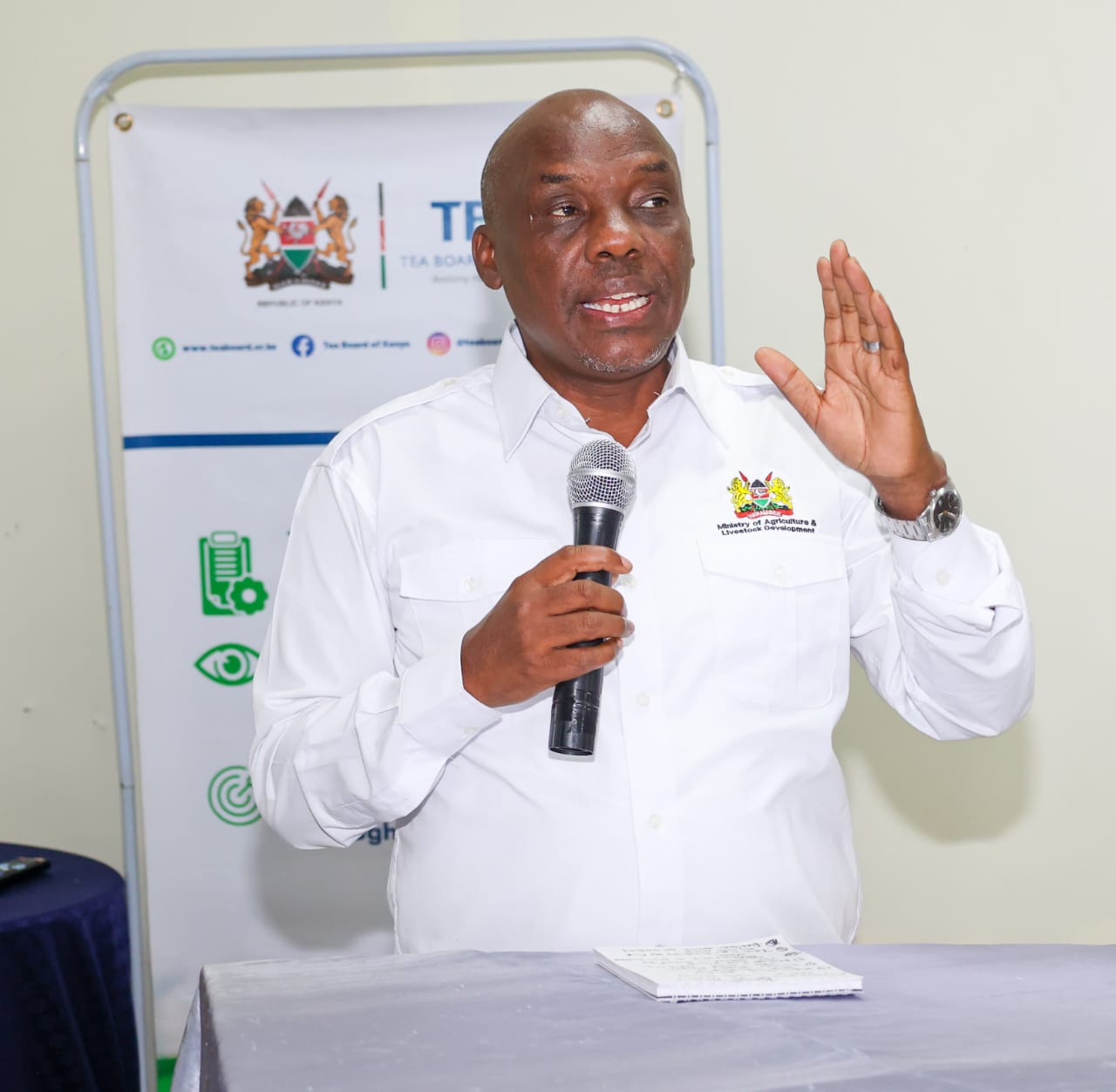
Governor Patrick Ole Ntutu's appeal to Maasai Mau residents to remain patient comes as he continues launching and overseeing development projects across Narok County. During the opening of an ECDE classroom at Mara in Narok South, Ntutu addressed families from Melelo Ward who had complained about being excluded from the Sh2.6 billion Mau Forest evictees compensation programme. He urged them to work with chiefs, village elders and other administrators while the government verifies their claims. The governor's message is taking place against the backdrop of a wider development programme in Narok, where the county government has invested in classrooms, health facilities, roads, water projects, ICT infrastructure and agricultural programmes. The county has previously reported hundreds of completed projects across its 30 wards. At the same time, the Mau compensation issue remains unresolved for some families. More than 300 households have complained about being left out, and some affected residents returned to the forest to demand answers. Government officials have told them to leave the protected area and pursue their complaints through official channels. For the affected families, the next important step is the verification of their claims. They want the government to determine whether eligible households were mistakenly excluded and, where appropriate, correct the compensation records. For the government, the challenge is to address legitimate grievances while protecting the Mau water tower from renewed settlement. Ntutu's call for patience therefore places emphasis on dialogue, verification and the use of established government channels. As development projects continue across Narok, the Mau compensation question remains an important issue for families seeking recognition and assistance following their displacement from the forest.
Narok Governor Patrick Ole Ntutu has urged residents from the Maasai Mau area who were left out of the government’s compensation programme to remain patient as the national government works to address their grievances.
The governor made the appeal while carrying out development activities in Narok, including the opening of an Early Childhood Development Education (ECDE) classroom in Mara, Narok South. His remarks came at a time when hundreds of families affected by the Mau Forest evictions were demanding answers after discovering that their names were missing from the compensation list.
The issue has become an important subject in Narok because it touches on land, livelihoods, environmental conservation, compensation and the welfare of families who say they were affected by past evictions from the Mau Forest.
Ntutu asks Maasai Mau residents to remain patient
Governor Ntutu specifically appealed to residents from Melelo Ward to remain patient as the national government handles the compensation issue.
Speaking at Mara in Narok South during the opening of an ECDE classroom, Ntutu said affected families should work with local administrators, including chiefs and village elders, to assist in verifying information submitted during the compensation process.
The governor's message came as approximately 300 families complained that they had been excluded from the Sh2.6 billion government compensation programme for Mau Forest evictees.
Ntutu said there was a need for the government to establish why families in Melelo were left out while beneficiaries in areas such as Sogoo and Sagamian received compensation.
He also acknowledged the possibility that errors could have occurred during preparation and verification of the list. His position was that the authorities should be given an opportunity to investigate the complaints and correct any genuine omissions.
The appeal for patience was therefore linked to the verification process rather than a dismissal of the families' concerns.
Development projects provide the backdrop
Ntutu's remarks about the Mau compensation issue came as he continued highlighting development in different parts of Narok County.
The governor has in recent years overseen or launched projects covering education, healthcare, roads, water, agriculture, digital services and other sectors.
According to Kenya News Agency, Ntutu's administration had reported more than 600 fully funded projects across the county's 30 wards by October 2024. These included water projects, maternity wings, administration blocks, computer laboratories, roads, bridges, classrooms, dormitories and livestock sale yards.
The county government's development agenda has therefore been presented as a programme intended to reach communities across Narok rather than being limited to the county headquarters.
In 2023, the county government announced a Sh3 billion development programme covering all 30 wards. The projects were selected through public participation, with different wards prioritising roads, hospitals, classrooms, water projects and livestock sale yards according to their local needs.
This broader development programme provides context for Ntutu's continued visits to different parts of the county to launch or inspect projects.
ECDE development in Mara
One of the activities associated with the governor's latest remarks was the opening of an ECDE classroom at Mara in Narok South.
Education infrastructure is one of the areas in which the county government has invested as part of efforts to improve access to learning facilities.
The opening of an ECDE classroom is significant for communities because early childhood education provides the foundation for children's transition into primary school.
For families living in rural areas, having classrooms closer to their homes can reduce the distance children have to travel to access early learning.
The governor's presence at the opening also gave him an opportunity to address the concerns of residents, including the compensation dispute affecting families from the Mau area.
This illustrates how development functions and public meetings often provide opportunities for county leaders to address wider community concerns beyond the particular project being launched.
The Sh2.6 billion compensation programme
The compensation dispute is linked to the government's efforts to compensate people affected by previous evictions from the Mau water tower.
According to reports, about 13,000 families received Sh200,000 each under the compensation programme. However, some households say they were affected by the evictions but did not receive compensation.
The families who were left out have demanded that the government review the list and carry out another verification exercise.
Their argument is that some eligible households may have been omitted or that their personal and property information may have been recorded incorrectly.
The government, on the other hand, has maintained that complaints should be presented through established administrative channels.
This is where Governor Ntutu's call for patience becomes important. Rather than encouraging affected families to return to the forest, he has asked them to cooperate with officials as their claims are examined.
Families returned to the forest
The compensation dispute escalated when affected families returned to the Mau Forest after discovering that their names were missing from the list.
Reports indicated that more than 300 families returned to the forest and pitched tents, demanding that the government address their complaints.
The families argued that they had suffered losses during the evictions and wanted the government to reconsider their cases.
However, authorities warned them against reoccupying the protected forest.
Narok County Commissioner Kipkech Lotiatia directed the families to leave the forest and use official channels to present their complaints.
The commissioner said those who believed they had been wrongly excluded should lodge their grievances with the appropriate government offices instead of returning to the forest.
Mau Forest conservation remains an important issue
The dispute cannot be separated from the environmental importance of the Mau Forest.
The Mau is one of Kenya's important water towers, and successive governments have undertaken measures aimed at protecting the forest ecosystem.
The previous evictions affected a large number of households. According to KNA, approximately 30,000 households living inside the water tower were evicted during a two-phase operation in 2018.
The government subsequently introduced compensation arrangements for eligible families.
This has created a difficult balance between two concerns.
On one side are families who say they lost homes, farms and livelihoods and are seeking compensation.
On the other side is the government's responsibility to protect the forest from settlement and activities that could threaten the water tower.
The current debate is therefore not simply about money. It also involves environmental protection, land administration and the rights and welfare of affected communities.
Verification is central to the dispute
The verification of the compensation list is one of the most important issues raised by the affected families.
The government needs to establish which households were genuinely affected and whether some eligible families were accidentally omitted.
Ntutu has encouraged residents to cooperate with chiefs and village elders because these local administrators can assist in confirming information about the affected households.
The verification process can also help establish whether information submitted during registration was accurate.
Affected residents have called for transparency in the process, including proper identification of households and assessment of the property they say they lost.
Government officials have also indicated that complaints should be handled through established administrative structures.
Recent remarks by Internal Security and National Administration Principal Secretary Raymond Omollo indicate that the government continues to engage communities over outstanding Mau compensation grievances. He said the government was working to address problematic areas surrounding the issue and find lasting solutions.
Ntutu's wider development agenda
While addressing the Mau issue, Ntutu has continued to emphasise development across Narok.
His administration has reported investments in health facilities, education infrastructure, water, roads, ICT and agricultural programmes.
In his 2024 State of the County address, Ntutu reported that 76 new health facilities had been built, including 33 maternity facilities and 43 outpatient facilities. He said 28 of those facilities had already been commissioned and opened to the public.
The governor also reported that the county was working to establish 30 ICT hubs, one in each ward, to expand access to digital services and digital literacy.
In agriculture, the administration reported programmes aimed at helping farmer groups adopt improved farming methods.
These projects form part of the governor's broader argument that county development should reach communities at the grassroots.
Water and road development
Water and roads have also featured prominently in Narok's development programme.
In 2023, Ntutu launched a Sh5 million water project intended to benefit residents of Limanet, Ilmasharian and London estates in Narok Township Ward. The project was part of the larger Sh3 billion programme covering all 30 wards.
Road infrastructure has similarly been identified as a priority.
In 2024, Ntutu said roadworks machinery had been deployed across the wards as the county began upgrading roads.
Improved roads are important for rural communities because they make it easier for residents to transport agricultural produce to markets, access schools and hospitals and connect with trading centres.
Land issues remain important in Narok
The Mau compensation dispute also comes at a time when other historical land matters in Narok are receiving government attention.
In August 2026, the national government announced the resolution of the Cheluget land dispute in Narok South and said processing of individual title deeds for families living on the land would begin. The State Department for Lands credited Governor Ntutu and Narok South MP Kitilai Ole Ntutu with contributing to the resolution of the matter.
The development demonstrates the importance of land issues to residents of Narok.
For many communities, land is directly connected to housing, farming, livestock keeping and long-term economic security.
Consequently, government decisions involving land and compensation can have significant effects on families.
Ntutu's message of peace
Ntutu has also used public functions to call for peaceful coexistence among communities living in Narok.
In his recent remarks concerning the Mau compensation dispute, he rejected claims that his administration was pursuing tribal discrimination and said all residents had constitutional rights to live in the country. He also said his administration would extend youth empowerment programmes across the county without discrimination based on community.
This message is significant because Narok is a diverse county with different communities living and doing business in various parts of the region.
The governor has therefore presented development and peaceful coexistence as issues that should benefit residents across the county.
What the Maasai Mau families want
The affected families' central demand is for the government to review the compensation list.
They want authorities to establish whether they were genuinely affected by the Mau evictions and, if so, why they were not included among those who received compensation.
Some families have also called for a fresh verification exercise.
Their concerns include possible errors in personal information, property records and household details.
They want national and county authorities to work together and ensure that eligible households are identified.
The government has indicated that there are official mechanisms through which such complaints can be presented.
Governor Ntutu's appeal for patience is therefore closely connected to this process.
Why the governor's message matters
Ntutu's remarks come at an important moment for Narok.
The county is simultaneously pursuing development projects while dealing with unresolved historical issues involving land and displacement.
The governor's development activities demonstrate the county administration's focus on infrastructure and public services, while his comments on the Mau issue show that the administration is also engaging with residents over grievances involving national government programmes.
However, the actual compensation programme is a national government initiative. This explains why Ntutu has asked the affected families to be patient as the national government handles the matter.
His appeal also reflects the need to avoid actions that could create further conflict, particularly the return of families to protected forest areas.

You Might Also Like
-
 The Kenya Tourism Board (KTB) is intensifying efforts to promote Kenya as a leading tourism destination by showcasing the country’s diverse attractions, including wildlife, beaches, culture, adventure, sports, conferences and lesser-known destinations across the 47 counties. Through the Magical Ke
 -
Kipchumba Murkomen's presence in Igembe today was centred on the passing-out of National Police Reservists at Magado in Igembe North, Meru County. The ceremony follows the government's recruitment and training of additional NPRs and comes alongside wider reforms aimed at strengthening community poli
-
Former Kenyan athlete Beatrice Murugi has received a new lifeline after being transferred to Kenyatta National Hospital (KNH) for specialised treatment following years of health and financial struggles. Reports published on September 23, 2026, indicate that Murugi, who previously competed profession
-
The Turbo tanker tragedy has become one of the major recent road accidents in the Eldoret area, with the death toll now standing at six according to the latest Citizen TV update available on September 23, 2026. What began as a road collision involving a fuel tanker escalated into a deadly fire aft
-
PS Agriculture Dr. Kipronoh Ronoh says agriculture remains the backbone of Kenya’s economy, supporting food security, livelihoods, employment and economic growth.
-
Today's Safaricom news is dominated by the government's legal challenge over the KSh204.3 billion sale of a 15 percent stake in Safaricom. The government is asking the Court of Appeal to overturn the High Court ruling that declared the transaction null and void and to suspend implementation of that