GSU Commandant Urges Officers to Uphold Discipline, Professionalism and Political Neutrality During Chepchoina Camp Visit
GSU Commandant Johana K. Tonui has called on officers at Chepchoina GSU Camp to uphold discipline, professionalism and integrity while carrying out their duties. During his visit, he emphasised the importance of obeying lawful orders, respecting commanders, responding to assignments with precision and maintaining political neutrality. He also encouraged officers to pursue Police Law examinations for career advancement, invest wisely, prioritise their families and remain prepared to serve anywhere in the country. Additionally, Tonui urged experienced officers to mentor newly posted constables, reinforcing the importance of teamwork, accountability and continuous professional development in strengthening the General Service Unit's commitment to national security and service excellence.
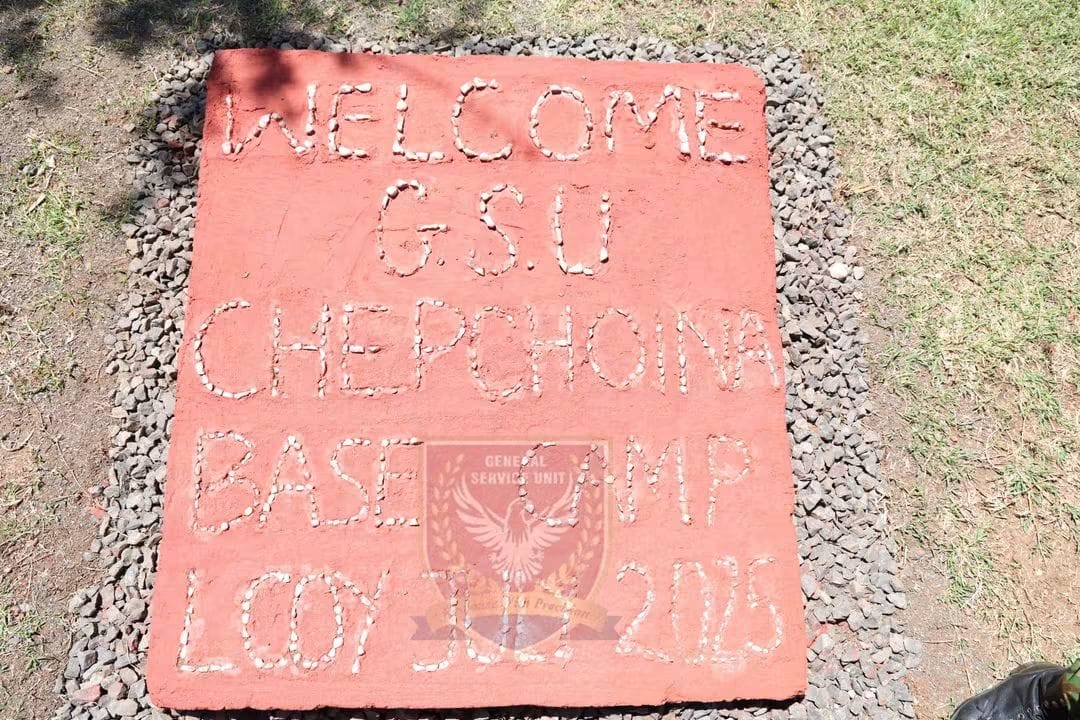
The General Service Unit (GSU) Commandant, Johana K. Tonui, HSC, AIG, has urged officers serving at Chepchoina GSU Camp to maintain high standards of discipline, professionalism and integrity as they carry out their duties in protecting the country and serving the public.
During his visit to the camp, Tonui emphasised the importance of obedience to lawful orders, respect for commanders, operational preparedness and adherence to established police procedures. He reminded officers that discipline remains a fundamental pillar of effective policing and is essential in ensuring that security personnel discharge their responsibilities with professionalism and accountability.
The Commandant's visit provided an opportunity to engage with officers on their professional responsibilities, personal development, career progression and the expectations placed on members of the security service. He encouraged them to remain committed to their duties while upholding the values and principles that guide their service to the nation.
Upon arrival at Chepchoina GSU Camp, Tonui was received by the Officer Commanding Lima Company, Assistant Superintendent of Police (ASP) Timothy Barasa.
The Commandant was accompanied by Staff Officer Operations Ernest Cheruiyot, OGW; Dr. Kibet Yegon, SP; Sarah Sintoi, SP; and Chief Inspector Donald Kimutai.
The visit highlighted the importance of leadership engagement with officers in the field, particularly in reinforcing professional standards, encouraging career development and ensuring that personnel remain prepared to respond to security responsibilities wherever they may be deployed.
Discipline and obedience to lawful orders
Addressing officers at the camp, Tonui stressed that discipline is central to the effective functioning of the General Service Unit and the wider National Police Service.
He urged officers to respect their commanders and follow lawful instructions, noting that a clear chain of command is necessary for maintaining order, coordination and efficiency during security operations.
According to the Commandant's message, officers must understand their individual responsibilities and execute their assignments with precision, professionalism and a strong sense of duty.
Discipline within a security institution goes beyond compliance with instructions. It also involves personal conduct, respect for established procedures, accountability for decisions and the ability to remain composed when handling demanding situations.
For officers entrusted with protecting lives and property, maintaining discipline is particularly important because their decisions can have significant consequences for members of the public and their colleagues.
Tonui encouraged personnel to uphold these standards consistently, reminding them that professionalism should guide their conduct both while on duty and in their interactions outside official assignments.
He also emphasised the importance of respecting leadership structures while ensuring that orders followed are lawful and consistent with the responsibilities of police officers.
A well-coordinated command structure enables officers to work together, communicate effectively and respond to emerging situations without unnecessary confusion.
The Commandant's remarks reinforced the expectation that every officer should understand the importance of teamwork, accountability and adherence to professional standards in carrying out security operations.
Precision and preparedness in security operations
Tonui further urged officers to respond to assignments with precision, emphasising the need for careful execution of duties and a clear understanding of operational responsibilities.
Security work requires officers to remain alert, disciplined and prepared to respond to different situations while observing the procedures governing their service. The ability to assess situations carefully, communicate instructions clearly and coordinate with fellow officers is essential in ensuring that operations are carried out effectively.
The Commandant encouraged officers to approach their assignments with seriousness and professionalism, noting the importance of readiness in fulfilling their mandate.
Operational precision also requires personnel to understand the objectives of each assignment, follow established procedures and remain accountable for their actions. Officers are expected to exercise sound judgement and work within the law as they carry out responsibilities related to national security.
Tonui's message underscored the need for officers to combine readiness with discipline, ensuring that their conduct reflects the professional standards expected of members of the General Service Unit.
He also reminded officers that their responsibilities may require them to respond to different security demands depending on the circumstances and their deployment.
Maintaining a high level of preparedness is therefore important in enabling personnel to perform their duties efficiently and support the wider security objectives of the National Police Service.
Officers encouraged to pursue Police Law examinations
Beyond operational responsibilities, the Commandant encouraged officers to pursue Police Law examinations as part of their professional development and career progression.
The advice highlighted the importance of continuous learning within the police service, where knowledge of the law, regulations and professional procedures is essential to effective policing.
Police officers operate within a legal framework that defines their powers, responsibilities and obligations. A sound understanding of this framework helps personnel make informed decisions, protect the rights of members of the public and perform their duties in accordance with established standards.
By encouraging officers to undertake Police Law examinations, Tonui called on them to take an active role in developing their professional knowledge and preparing themselves for future responsibilities.
Career advancement within the service requires officers to remain committed to learning, improving their skills and meeting the relevant professional requirements.
The Commandant's message also served as a reminder that personal initiative is important in professional growth. Officers who invest time in their studies and professional development can strengthen their understanding of their responsibilities and prepare for opportunities that may arise during their careers.
Continuous professional development is particularly important in the security sector, where personnel must remain familiar with the legal and procedural requirements governing their work.
Tonui encouraged officers to take advantage of opportunities to improve themselves, balancing their daily assignments with efforts to expand their knowledge and qualifications.
His remarks placed professional education alongside discipline and operational preparedness as important elements in building a capable and responsible police service.
Financial discipline and responsible investment
The GSU Commandant also addressed the personal welfare of officers, encouraging them to invest wisely and make responsible financial decisions.
He reminded personnel that financial planning is an important aspect of life and urged them to think carefully about how they manage their earnings.
For police officers, responsible financial management can help create greater stability for themselves and their families, particularly when preparing for long-term needs such as education, housing and retirement.
Tonui's advice encouraged officers to look beyond their immediate financial needs and consider investments that can contribute to their future security.
Responsible investment requires careful planning, an understanding of financial commitments and caution when evaluating opportunities. Officers were encouraged to make informed choices rather than engage in financial decisions without considering the potential risks.
The Commandant's message placed personal financial responsibility within the broader discussion of professional discipline, suggesting that good decision-making should extend beyond the workplace.
Financial stability can also help officers concentrate on their responsibilities without unnecessary personal pressures arising from poor financial planning.
By urging officers to invest wisely, Tonui highlighted the importance of building a secure future while continuing to fulfil their obligations to the service and their families.
His guidance encouraged personnel to approach their finances with the same seriousness and responsibility expected in their professional duties.
Family welfare and personal responsibility
Tonui further urged officers to prioritise their families, reminding them of the importance of maintaining a balance between professional responsibilities and personal life.
Police work can involve demanding schedules, transfers and assignments that require officers to spend considerable time away from home. These circumstances make it important for personnel to remain attentive to the welfare and needs of their families.
The Commandant encouraged officers to recognise their responsibilities at home while continuing to meet the expectations of their profession.
Supporting family members, planning for their needs and maintaining healthy relationships can contribute to personal stability and overall wellbeing.
The message also highlighted the importance of making responsible decisions that take into account the long-term interests of both officers and their dependants.
For personnel whose duties may require deployment to different parts of the country, preparing their families for the realities of service is particularly important.
Tonui's remarks encouraged officers to take their family responsibilities seriously, including financial planning, the welfare of their children and the general wellbeing of their households.
The emphasis on family welfare complemented his advice on financial responsibility and career development, presenting personal stability as an important consideration alongside professional obligations.
Call for political neutrality
The Commandant also reminded officers to remain politically neutral as they discharge their duties.
Political neutrality is an important principle in public service, particularly for police officers whose responsibilities include maintaining law and order and protecting the rights of citizens across different political affiliations.
Officers are expected to perform their duties impartially, without allowing personal political preferences to interfere with official responsibilities.
The requirement is especially important during periods of heightened political activity, when security agencies may be called upon to facilitate lawful public gatherings, maintain order and protect people exercising their constitutional rights.
By reminding officers to remain neutral, Tonui reinforced the need for the police service to maintain public confidence through impartial conduct and professionalism.
The expectation of neutrality also means that officers should carry out their assignments in accordance with the law and established procedures rather than personal or partisan considerations.
Public trust in security institutions depends in part on the ability of officers to treat members of the public fairly and to perform their responsibilities without political discrimination.
Tonui urged personnel to remain focused on their mandate and avoid conduct that could compromise their professional responsibilities or the impartiality expected of the service.
His message placed political neutrality among the key standards officers must uphold as they serve communities with diverse political opinions and interests.
Readiness to serve anywhere in the country
The GSU Commandant further reminded officers to remain prepared for deployment to any part of Kenya whenever required.
He emphasised that service in the security sector demands flexibility, commitment and a willingness to undertake assignments wherever the needs of the country arise.
Officers may be required to work in different counties and operational environments, depending on security priorities and deployment decisions. Such assignments require personnel to remain adaptable and prepared to serve away from their usual stations.
Tonui encouraged officers to understand that their responsibilities extend beyond the locations where they are currently stationed.
The call for nationwide readiness reinforced the principle that members of the security service are entrusted with a national responsibility and must remain available to support security operations wherever their services are required.
Officers were urged to maintain the professional standards necessary to carry out their duties in different circumstances, while remaining disciplined and respectful of the command structure.
The ability to serve in different locations also requires teamwork, effective communication and cooperation with colleagues and other relevant security personnel.
Tonui's remarks underscored the importance of commitment to national service, encouraging officers to approach deployment decisions with professionalism and a clear understanding of their responsibilities.
Mentoring newly posted constables
The Commandant also urged experienced officers to mentor newly posted constables joining their respective units.
Mentorship plays an important role in helping newly deployed personnel understand the practical demands of policing, the standards expected of them and the procedures they must follow in carrying out their assignments.
New constables entering a unit benefit from guidance provided by experienced colleagues who can help them adapt to the working environment and develop the discipline required in the service.
Tonui encouraged officers to take responsibility for supporting the professional growth of their junior colleagues through guidance, example and the sharing of practical knowledge.
Effective mentorship can help new personnel understand the importance of respecting lawful authority, working as a team and maintaining professional conduct.
Experienced officers also have an opportunity to demonstrate the values expected within the GSU through their daily actions and interactions with junior personnel.
The Commandant's emphasis on mentorship highlighted the importance of building a professional culture in which officers support one another while remaining accountable for their conduct.
By guiding newly posted constables, experienced personnel can help strengthen teamwork and promote consistency in the standards observed across the unit.
The message also reinforced the importance of leadership at every level, with officers expected to contribute to the development of colleagues and the overall effectiveness of the service.
Leadership engagement at Chepchoina GSU Camp
Tonui's visit to Chepchoina GSU Camp brought together discussions on operational discipline, career development, financial responsibility, family welfare and national service.
He was received by Lima Company Officer Commanding Timothy Barasa, ASP, and accompanied by Staff Officer Operations Ernest Cheruiyot, OGW; Dr. Kibet Yegon, SP; Sarah Sintoi, SP; and Chief Inspector Donald Kimutai.
The engagement provided an opportunity to reinforce the expectations placed on officers as they undertake their duties and develop their careers within the police service.
The Commandant's message was centred on the need for personnel to remain disciplined, professionally competent, politically neutral and ready to serve wherever required.
He also encouraged officers to take responsibility for their personal development, manage their finances wisely, support their families and guide newly posted constables.
These priorities reflect the broad responsibilities associated with service in a disciplined security institution, where professional conduct, personal accountability and commitment to the national mandate remain essential.
As the officers continue with their assignments, the emphasis remains on maintaining discipline, following lawful orders, responding to duties with precision and ensuring that their conduct meets the standards expected of the General Service Unit.
The central message of the visit was clear: discipline, professionalism and service excellence must guide every officer in the performance of duty, both at Chepchoina GSU Camp and wherever the demands of national service may take them.

You Might Also Like
-
The Energy and Petroleum Regulatory Authority (EPRA) has announced a significant increase in fuel prices, with diesel rising by KSh 9.90 to KSh 227.76 per litre, super petrol increasing by KSh 12.93 to KSh 226.96, and kerosene recording the largest increase of KSh 28.49 to retail at KSh 219.87 per l
-
Kenya’s Ministry of Health has confirmed a second case of Ebola Virus Disease involving a close family member of the first patient, prompting intensified contact tracing and surveillance efforts to prevent further infections. Health authorities are monitoring individuals who may have been exposed
-
The Ethics and Anti-Corruption Commission (EACC) has arrested Turkana County Government nurse Gilbert Suleiman Eskuku and his business associate, Abass Abdi Yusuf, over an alleged conflict of interest involving contracts worth KSh2.76 million awarded to their company, Ekwang Suppliers Company Limite
-
Female governors and the G7 movement are intensifying their campaign for women to seek elective leadership positions and for the full implementation of Kenya's two-thirds gender principle ahead of the 2027 General Election. Through the G7 National Women Leadership Forum in Nairobi, women leaders ha
-
Nairobi Governor Johnson Sakaja has called on the Senate to review existing building laws and introduce tougher penalties for developers who disregard approved construction plans. He is also pushing for county governments to be given a greater role in prosecuting construction-related offences, argui
-
British High Commissioner Matt Baugh has delivered two significant messages for Kenya: confidence in the country's ability to respond to Ebola and a commitment by the United Kingdom to engage Kenyan political stakeholders in support of peaceful, free and fair elections in 2027. His assessment of Ke