



Health Ministry Extends HMIS Transition Period as Facilities Move to New Digital System
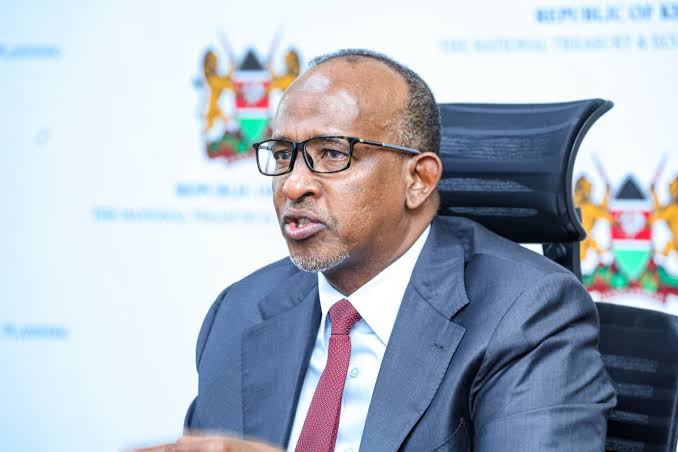
Health CS Aden Duale says the Ministry of Health has extended the HMIS transition period by one month, giving Level 5 and 6, private and faith-based facilities more time to complete the migration while ensuring uninterrupted healthcare services.
The Ministry of Health has extended the transition period for health facilities moving to the new Health Management Information System (HMIS), giving hospitals additional time to complete the migration and receive technical support.
Health Cabinet Secretary Aden Duale said the extension is intended to allow facilities that are still completing the transition to receive assistance from the Digital Health Agency and ensure that healthcare services continue without unnecessary disruption.
The move comes as Kenya continues with the implementation of a new digital health framework designed to connect healthcare providers with the national health information infrastructure and improve the processing of patient information and claims under the Social Health Authority (SHA).
The transition involves public Level 5 and Level 6 hospitals, as well as faith-based and private healthcare facilities. These institutions are among the providers required to move from the previous SHA Provider Portal to systems that can integrate with the new HMIS framework.
The Ministry of Health has described the transition as part of the country's wider digital transformation of healthcare under the Taifa Care programme.
More Time for Healthcare Facilities
The additional time is expected to give health facilities an opportunity to address technical challenges associated with the migration.
Some hospitals and healthcare providers have had to configure their existing information systems to work with the national digital health infrastructure. This process requires technical preparation, system certification and integration before facilities can fully operate within the new framework.
The Digital Health Agency has been involved in supporting healthcare providers during the transition.
The Ministry of Health says the objective is to make the migration as smooth as possible while ensuring that patients do not experience interruptions when seeking medical care.
The transition has been implemented in phases. Earlier in the year, public facilities at lower levels were among those targeted for migration, while Level 5 and Level 6 hospitals, private facilities and faith-based institutions were given later timelines.
The phased approach was intended to allow healthcare providers to prepare their systems and staff before joining the national digital health environment.
Shift From the SHA Provider Portal
The HMIS transition represents a major change in how healthcare facilities interact with the Social Health Authority.
Under the previous arrangement, providers relied on the SHA Provider Portal for various activities, including patient verification and claims processing.
The new system is designed to move healthcare providers toward greater system-to-system integration, allowing information to flow electronically between healthcare facilities and the national digital health infrastructure.
Health CS Aden Duale previously said the SHA Provider Portal would be phased out as facilities moved to the new HMIS system.
On September 29, Duale directed facilities contracted by SHA to complete the migration, saying the existing provider portal would be closed at the end of September.
The latest extension provides additional room for facilities that have not fully completed the process to receive support and finalize the necessary technical requirements.
Why the Digital Transition Matters
The government has linked the HMIS transition to efforts to create a more integrated digital healthcare system in Kenya.
A connected digital system can allow healthcare information to be transmitted electronically instead of relying heavily on separate systems and manual processes.
The Digital Health Agency has also been working on interoperability between different health information systems. The broader objective is to make it possible for relevant patient information to move between healthcare facilities when necessary.
For patients, this could eventually mean fewer delays caused by paperwork and improved access to health records when they receive treatment at different facilities.
For healthcare providers, the system is expected to support electronic claims processing and improve communication with the national health financing system.
The government has also argued that better digital systems can strengthen accountability by improving the tracking and verification of healthcare services.
Technical Challenges
Despite the potential benefits, the transition has presented challenges for some healthcare providers.
Hospitals need appropriate digital infrastructure, compatible systems, internet connectivity and trained personnel to complete the integration process.
For facilities using existing hospital management systems, the transition may require changes to software and the way information is captured, stored and transmitted.
The process also involves certification and compliance requirements to ensure that systems can communicate properly with the national digital health infrastructure.
The one-month extension granted earlier in September was also intended to give facilities additional time to configure their systems and complete compliance processes.
The latest extension announced by the Ministry is therefore significant for facilities that may still be facing technical or operational difficulties.
Protecting Patient Access
One of the key concerns surrounding the transition has been the possibility of patients experiencing difficulties accessing services if facilities are unable to complete the migration.
The Ministry of Health has sought to reassure the public that the transition should not prevent patients from receiving medical services.
The additional support period is intended to help healthcare facilities complete the necessary processes while maintaining service delivery.
This is particularly important for patients who depend on SHA-supported healthcare services and may have limited alternatives if a facility experiences difficulties with the new system.
Healthcare providers have therefore been encouraged to use the additional period to resolve outstanding technical issues and ensure that their systems are ready.
Role of the Digital Health Agency
The Digital Health Agency has a central role in supporting the implementation of Kenya's digital health infrastructure.
The agency works with healthcare providers and other stakeholders to facilitate integration, technical support and interoperability.
During the transition, facilities that encounter technical problems can seek assistance to help them complete the required processes.
The Ministry's engagement with healthcare provider associations has also been part of efforts to address concerns raised by hospitals and other stakeholders.
A consultative forum chaired by Duale in June brought together healthcare provider associations, SHA, the Digital Health Agency and other stakeholders to discuss the migration framework, timelines, preparedness and the roadmap toward wider integration.
The discussions were aimed at identifying practical measures that could make the transition smoother and minimize disruption to healthcare services.
Impact on Healthcare Providers
For hospitals, the transition means adapting internal systems to meet new digital requirements.
Facilities are expected to ensure that their information systems can communicate with the national health platform and support the required electronic processes.
The transition also means that healthcare workers and administrative staff may need additional training to use the new systems effectively.
For private and faith-based facilities, compliance with the new digital framework is particularly important because many of them provide services to patients covered through SHA.
The government has been emphasizing the need for providers to complete the transition and meet the requirements of the new digital health environment.
At the same time, the extension recognizes that facilities have different levels of digital readiness and may require additional assistance.
A Wider Digital Health Transformation
The HMIS transition is part of a broader effort to digitize healthcare services in Kenya.
The government has been pursuing digital systems that can connect healthcare providers, improve access to information and strengthen the management of health services.
The Ministry of Health has previously described the transition as a significant step toward a unified national digital health ecosystem.
The system is also expected to support the wider Taifa Care programme by enabling more efficient interactions between healthcare providers and the national health financing system.
The success of the programme, however, will depend on the ability of healthcare facilities to implement the required technology and maintain reliable systems.
Issues such as internet connectivity, technical capacity, equipment and staff training remain important considerations as the country moves toward greater digitization.
What Patients Should Expect
For patients, the immediate priority is continuity of healthcare services.
The Ministry of Health says the extension is designed to ensure that the transition does not interfere with access to medical care.
Patients using public, private or faith-based facilities should therefore continue seeking medical services as usual while healthcare providers work on completing the digital migration.
The long-term goal is to create a healthcare environment where patient information can be managed more efficiently and where healthcare providers can process claims and other transactions electronically.
The transition could also support better coordination between different healthcare facilities by improving the ability of systems to exchange information.
Looking Ahead
The extension gives healthcare providers additional breathing room to complete the transition to HMIS.
For the Ministry of Health and the Digital Health Agency, the focus will now be on supporting facilities that remain incomplete, addressing technical challenges and ensuring that the new system operates effectively.
The transition marks another major stage in Kenya's move toward a digitally connected healthcare system.
While the process has presented challenges for some providers, the government maintains that the new system is intended to improve efficiency, strengthen accountability and support better delivery of healthcare services.
For healthcare facilities, the message is to use the additional time to complete system integration, address technical gaps and ensure their staff are prepared.
For patients, the key assurance from the Ministry is that healthcare services should continue without disruption as the country moves toward a more integrated digital health system.
The HMIS transition is therefore not simply a change from one computer system to another. It represents a broader transformation in how healthcare information is collected, shared and managed across Kenya.
Its effectiveness will ultimately depend on successful implementation at facility level, adequate technical support and the ability of healthcare providers to adapt to the new digital environment.

You Might Also Like
-
The St. Kizito Litein School for the Deaf eight-kilometre awareness walk gave students and teachers an opportunity to take their message beyond the school compound and into the streets of Litein. The October 1, 2026 activity was aimed at raising awareness about hearing impairment while promoting gre
-
The survey indicates that 52% of respondents support the idea. Among those open to a female Deputy President, Kirinyaga Governor Anne Waiguru leads with 36%, followed by former Deputy President candidate Martha Karua at 27% and Homa Bay Governor Gladys Wanga at 15%.
-
Murkomen's presence in Kiminini and now Saboti places attention on several issues affecting residents of Trans Nzoia: roads and bridges, agricultural development, youth training, public services, security and cooperation between national and county governments. While the exact list of projects he ha
-
The Ogiek meeting in Nandi brought together members of a community that is geographically dispersed across several parts of the Rift Valley, including Kericho, Uasin Gishu and Nandi itself. The gathering came at a time when Ogiek communities continue to discuss ancestral land, historical displacemen
-
President Ruto's current Coast programme is therefore broader than a single-day project launch in Mombasa. It combines land titling, port and maritime development, railway connectivity, Dongo Kundu SEZ, water infrastructure, affordable housing, electricity expansion and regional trade. Mombasa's pos
-
The Senate Education Committee has directed the Inspector General of Police to issue an arrest warrant for Tharaka Nithi Governor Muthomi Njuki over his repeated failure to honour summonses since March 2026.