



Heavy Rains Ravage Bomet Farms: Farmers Count the Cost as Crops, Livestock and Roads Come Under Threat
Heavy rains can have a significant impact on farmers in Bomet County. Although rainfall is essential for agriculture, excessive rain can damage crops, cause soil erosion, increase crop diseases, affect livestock, disrupt transportation and increase production costs. For farmers, the key challenge is managing the risks associated with excessive water while taking advantage of the benefits that rainfall provides. Better drainage, soil conservation, improved livestock shelters, proper storage of fodder and timely weather information can help reduce losses. As weather patterns become increasingly unpredictable, farmers in Bomet need to strengthen climate-smart agricultural practices. Cooperation between farmers, agricultural officers, county authorities and other stakeholders can help communities prepare for periods of heavy rainfall and protect the livelihoods that depend heavily on agriculture.
Heavy rainfall can have both positive and negative effects on agriculture in Bomet County. While adequate rainfall is essential for crops, livestock and water availability, excessive and prolonged rains can create serious challenges for farmers, especially when the soil remains waterlogged for long periods.
Bomet is one of Kenya’s important agricultural counties, with many households depending on farming for food, income and employment. Farmers grow crops such as tea, maize, beans, vegetables and potatoes, while livestock keeping is also an important economic activity. When rainfall becomes unusually heavy, these farming activities can be disrupted in several ways.
Crop damage
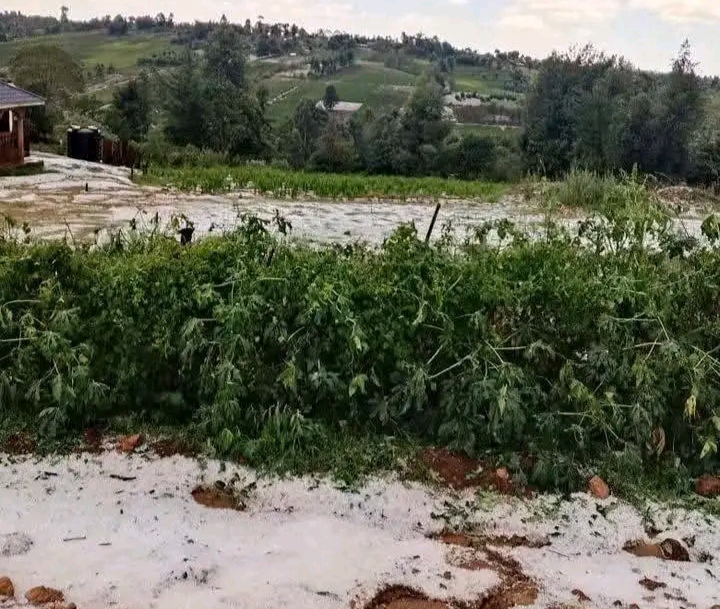
One of the most immediate effects of heavy rain is damage to crops. Excessive water can flood farms and remain in the soil for extended periods. Crops that cannot tolerate waterlogged conditions may begin to rot, resulting in reduced yields.
Young maize, beans, vegetables and other crops can be particularly vulnerable when heavy rainfall is accompanied by strong winds. Crops may be flattened, buried in mud or washed away by runoff. Farmers who have invested money in seeds, fertilizer, labour and other farm inputs can therefore suffer significant financial losses.
Heavy rain can also cause soil to become loose. When water flows rapidly across sloping farmland, it can carry away valuable topsoil. This is especially concerning in areas where farms are located on hillsides or other sloping terrain. Losing topsoil reduces soil fertility because important nutrients and organic matter are removed from the farm.
Impact on tea farming
Tea farming is particularly important to many households in Bomet County. Rainfall is necessary for healthy tea growth, but excessive rainfall can also create difficulties.
Heavy rain can make tea farms difficult to access, particularly where roads and farm tracks become muddy. Farmers may struggle to transport freshly harvested tea leaves to collection centres on time. Delays can affect the quality of tea leaves and create additional logistical challenges.
Continuous wet conditions can also make farm work more difficult. Workers may have difficulty moving through plantations, while farmers may postpone activities such as pruning, weeding, fertilizer application and other field operations.
Excessive moisture can also create favourable conditions for some crop diseases and pests. Farmers therefore need to closely monitor their tea plantations and seek agricultural advice when unusual disease symptoms appear.
Soil erosion
Soil erosion is another major concern during periods of heavy rainfall. When rain falls intensely, water can move quickly across the surface of farms, carrying soil into rivers, drainage channels and lower-lying areas.
For farmers, this means losing some of the most productive soil from their farms. Repeated erosion can gradually reduce land productivity and increase the amount of fertilizer needed to maintain crop yields.
Farmers can reduce erosion by planting grass along waterways, maintaining vegetation cover, constructing terraces where appropriate and avoiding leaving large areas of soil exposed. Contour farming can also help slow down water movement on sloping land.
Increased crop diseases
Excessive moisture can increase the risk of fungal and other crop diseases. Wet leaves, poorly drained fields and high humidity can create conditions that allow certain diseases to spread more easily.
Vegetable farmers may be particularly affected because many vegetables are sensitive to prolonged waterlogging. Roots can become damaged, while leaves and fruits can develop diseases when they remain wet for long periods.
Farmers should regularly inspect their crops for unusual spots, rotting, wilting or changes in colour. Early identification of disease can help prevent problems from spreading across the farm.
Damage to livestock
Heavy rain does not only affect crops. Livestock farmers can also experience serious challenges.
Cattle, sheep, goats and poultry require dry and reasonably comfortable conditions. Prolonged exposure to cold and wet conditions can weaken animals, particularly young livestock. Wet housing areas can also increase the risk of disease.
Farmers may need to improve livestock shelters, provide dry bedding and ensure that animals have access to clean drinking water and adequate feed.
Where pasture becomes excessively wet, animals may have difficulty accessing suitable grazing areas. Heavy rainfall can also damage fodder crops and make it difficult for farmers to harvest and store animal feed.
Increased cost of farming
Heavy rains can increase the cost of agricultural production. Farmers may be forced to spend additional money repairing damaged roads, replacing washed-away crops, treating diseases and improving drainage.
Those whose crops are severely damaged may also have to purchase new seeds and replant. This can be particularly difficult for small-scale farmers who have limited financial resources.
In addition, transport costs may rise when roads become muddy or impassable. Farmers may need to use alternative routes or pay more to transport produce to markets.
Market and transport challenges
Heavy rainfall can interfere with the movement of agricultural produce from farms to markets. Poor road conditions can make it difficult for farmers to transport maize, vegetables, milk, tea and other products.
Some farmers may be forced to delay selling their produce because vehicles cannot reach their farms. Perishable products such as vegetables and milk are particularly vulnerable because they can lose value when transportation is delayed.
When roads become difficult to use, traders may also reduce the amount they collect from rural areas. This can leave farmers with produce but limited access to buyers.
Waterlogging and poor drainage
Waterlogging is especially damaging where farms have poor drainage. When water remains around crop roots for too long, it reduces the amount of oxygen available to the roots.
As a result, plants may become weak, yellow or eventually die. Farmers should therefore identify areas where water regularly accumulates and consider appropriate drainage measures.
However, drainage should be carefully planned to prevent the rapid movement of water from one farm into another or into rivers, where it could contribute to erosion and flooding.
Benefits of adequate rainfall
Despite these challenges, rainfall remains extremely important to Bomet's agricultural sector. Farmers depend on rain to support crop growth, replenish water sources and maintain pasture.
Adequate rainfall can improve crop performance, support tea production and increase water availability for livestock. The problem arises when rainfall becomes excessive, prolonged or falls at the wrong stage of the agricultural cycle.
Farmers therefore need to distinguish between beneficial rainfall and rainfall that creates risks to agricultural production.
What farmers can do
Farmers in Bomet can take several measures to reduce the impact of heavy rainfall. Maintaining vegetation cover is one of the most important measures because plants help protect soil from being washed away.
Farmers can also use terraces and contour farming on sloping land, maintain drainage channels and avoid blocking natural waterways. Planting suitable grass and trees can help stabilize soil.
Livestock farmers should ensure that animal shelters remain dry and well ventilated. They should also store adequate fodder in advance of prolonged wet periods.
Farmers should monitor weather information and agricultural advisories so that they can make decisions about planting, harvesting, spraying, fertilizer application and livestock management.
Importance of agricultural support
Agricultural officers and other relevant authorities can play an important role by helping farmers understand how to manage excessive rainfall. Farmers can benefit from advice on drainage, soil conservation, disease control, crop selection and livestock management.
Financial support and affordable agricultural insurance can also help farmers recover from major losses caused by extreme weather events.

You Might Also Like
-
The concerns raised by landslide victims in Chesongoch have brought renewed attention to the challenges faced by communities recovering from natural disasters. The victims say they were left out of government compensation despite suffering losses, and they are calling for the authorities to review t
-
The five-sitting-day suspension of Kiharu MP Ndindi Nyoro marks a significant parliamentary disciplinary episode arising from his claims about investments in Kenya Pipeline Company shares. Nyoro alleged that public institutions including NSSF, PSSF and Kenya Re were pressured to invest in KPC, whil
-
Services at Kericho County Referral Hospital continue to play a critical role despite concerns among residents about the Ebola outbreak. The facility remains an important centre for emergency care, maternity services, diagnostics, specialised treatment and referrals, while county authorities continu
-
Deputy Inspector General Eliud Lagat's call for motorists to obey traffic rules underscores the urgent need for greater discipline and responsibility on Kenyan roads. Speeding, reckless overtaking, drunk driving, distracted driving and operating unroadworthy vehicles can turn ordinary journeys into
-
Kenya has intensified measures to contain Ebola after confirming an imported case of Bundibugyo Ebola Virus Disease, with the Ministry of Health hosting and coordinating an Ebola Incident Management Support Team to strengthen surveillance, contact tracing, laboratory testing, infection prevention an
-
President William Ruto presides over the certification ceremony at State House, Nairobi. A total of 3,750 beneficiaries receive Recognition of Prior Learning certificates. The programme recognises skills gained through practical experience and non-formal training. It provides workers with formal