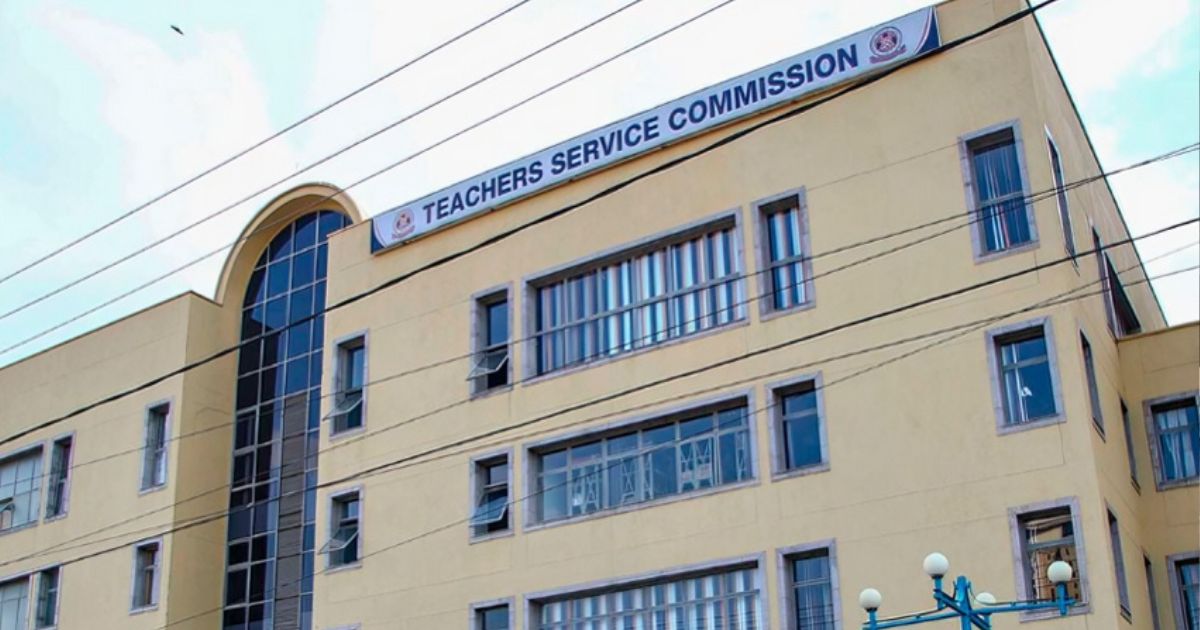
High Court Rejects TSC Bid to Enforce Social Media Rules for Teachers
The High Court has rejected the Teachers Service Commission’s (TSC) request to lift orders stopping the implementation of its circular regulating teachers’ conduct on social media. The decision means the rules remain suspended as the legal case continues. The dispute has attracted attention among teachers and education stakeholders because it raises important questions about professional conduct and freedom of expression online. The circular was intended to guide teachers on how they should behave on social media platforms such as Facebook, TikTok, Instagram, WhatsApp and X. These platforms have become important tools for communication, allowing teachers to share educational materials, exchange ideas, interact with colleagues and communicate with parents. However, concerns have also emerged about how online comments, photographs and videos can affect the reputation of teachers, schools and the teaching profession.
The High Court has rejected an application by the Teachers Service Commission (TSC) seeking permission to implement rules on how teachers use social media. The decision means that the orders stopping the implementation of the circular will remain in place as the legal case continues.
The case focuses on a circular issued by the Teachers Service Commission to guide teachers on their conduct on social media platforms. The commission sought to have the court lift the temporary orders that had stopped the implementation of the circular. However, the court declined the request, leaving the restrictions in place for now.
The ruling is an important development for teachers across the country because social media has become a major part of everyday communication. Teachers, like other professionals, use platforms such as Facebook, WhatsApp, TikTok, Instagram and X to communicate, share information, interact with friends and participate in public discussions.
The dispute raises questions about how far professional rules should extend into teachers’ online activities and how institutions can protect professional standards while respecting individual rights.
The Teachers Service Commission is responsible for managing teachers employed in public schools in Kenya. Its duties include registering teachers, recruiting them, assigning them to schools, promoting them and handling disciplinary matters. The commission also establishes professional standards that teachers are expected to observe while carrying out their duties.
Teachers are expected to maintain professional conduct both inside and outside the classroom. Their responsibilities include protecting learners, respecting parents and colleagues, observing professional ethics and ensuring that their behaviour does not undermine the learning environment.
As social media continues to grow, education authorities have become increasingly concerned about how online activities can affect the relationship between teachers, learners, parents and school administrations.
Social media platforms allow users to share photographs, videos, opinions, news and personal experiences within seconds. Information posted online can quickly reach thousands of people, especially when it is shared by other users. This has created new challenges for professionals whose work requires public trust and responsible communication.
For teachers, an online post may attract attention beyond the intended audience. A photograph, comment or video shared on a personal account can be copied, forwarded or discussed by people who were not originally meant to see it.
These concerns have contributed to discussions about the need for clear guidelines on teachers’ use of social media. However, the legal dispute surrounding the TSC circular shows that the introduction and enforcement of such rules can also raise legal questions.
The High Court’s decision to reject the commission’s application does not necessarily mean that all forms of social media regulation for teachers have been declared unlawful. Instead, the immediate effect is that the existing court orders stopping the implementation of the circular remain in place.
The final outcome will depend on the issues before the court and any further decisions made during the proceedings. Until the court gives further directions, the commission cannot proceed with implementing the circular in the manner blocked by the conservatory orders.
Conservatory orders are temporary measures issued by a court to preserve the situation while a legal dispute is being considered. They are intended to prevent actions that could affect the rights of the parties involved or make it difficult to provide an effective remedy when the case is finally determined.
Such orders do not automatically settle the main dispute. Instead, they provide temporary protection while the court examines the arguments presented by the parties.
In this case, the Teachers Service Commission wanted the court to lift the orders that had suspended the implementation of its circular. The application was intended to allow the commission to proceed with the guidelines before the wider dispute was fully resolved.
However, the High Court rejected that request, meaning the temporary legal protection remains in force.
The ruling is therefore different from a final judgment on whether the circular itself is lawful. The court's decision on the application should not be interpreted as a complete determination of every question raised in the case.
The distinction is important because the legal proceedings may continue, and the court could later make further decisions concerning the circular and the powers of the commission.
For teachers, the dispute highlights the importance of understanding the relationship between professional responsibilities and personal freedom. Teachers are public-facing professionals whose words and actions can influence learners and the wider community. At the same time, they remain individuals with interests, opinions and rights that must be considered under the law.
Many teachers use social media for educational purposes. They share revision materials, explain difficult subjects, announce school activities and exchange teaching ideas with colleagues. Online platforms also help teachers communicate with parents and provide information about learners’ academic progress.
In some cases, social media has become a useful tool for professional development. Teachers can join online groups, attend virtual training sessions, access educational resources and learn about new teaching methods.
However, the same platforms can also create difficulties when personal opinions are confused with official school positions or when information about learners is shared without appropriate safeguards.
Teachers may also face questions about online comments concerning their schools, colleagues, government policies or education reforms. This has made the issue of professional conduct on social media increasingly relevant to education authorities.
A clear and lawful framework could help explain the responsibilities expected of teachers online. Such guidelines would need to be understood by teachers and applied fairly, while respecting the rights and protections available under Kenyan law.
The court process provides an opportunity for the parties to present their positions on the circular and the legal basis for its implementation. It also allows questions about the commission’s authority and the rights affected by the guidelines to be examined through the judicial system.
The Teachers Service Commission has an important role in maintaining professional standards in public education. Parents expect teachers to provide a safe learning environment, treat learners fairly and act responsibly. Schools also rely on professional conduct to maintain confidence among teachers, parents and communities.
At the same time, rules affecting online expression can have consequences beyond the classroom. Depending on their wording and application, such rules may affect how teachers participate in public discussions, communicate personal views and engage with issues affecting the education sector.
The legal challenge therefore touches on a wider question facing many institutions: how to establish professional standards for online behaviour without imposing restrictions that go beyond what the law permits.
The High Court’s rejection of the TSC application keeps that question open while the case proceeds. It also demonstrates that decisions by public institutions can be challenged in court and that requests to remove temporary legal restrictions must be considered through the established judicial process.
For now, teachers and education stakeholders will be watching for further developments in the case. Any subsequent ruling could provide additional clarity on the circular, the commission’s regulatory powers and the limits of the restrictions it seeks to introduce.
School administrators, parents and teachers may also be interested in how the case will affect the development of future social media guidelines within the education sector.
The outcome could influence discussions about how teachers should handle confidential information, communicate with learners online and maintain appropriate professional boundaries on digital platforms. It may also shape conversations about the responsibilities of public institutions when introducing rules that affect employees’ conduct outside their workplaces.
Nevertheless, the immediate issue before the court concerns the TSC’s request to lift the conservatory orders. The rejection of that application means the suspension of the circular’s implementation remains in effect for the time being.
The commission will have to await further legal directions before proceeding with the measures covered by the court orders. The wider dispute remains subject to the judicial process, and the final legal position will depend on the court’s determination of the issues raised.
The case serves as a reminder that social media has created new challenges for professional regulation. As more teachers use digital platforms for communication, learning and public engagement, the need to balance professional responsibilities with legal rights will remain an important issue.
For teachers across Kenya, the key development is straightforward: the High Court has rejected the TSC’s request to remove the orders stopping the implementation of its social media circular. The rules covered by those orders therefore remain suspended for now, pending further developments in the case.

You Might Also Like
-
The Council of Governors' call for regular workforce audits highlights the importance of accountability, transparency and effective human resource management in Kenya's public institutions. With concerns over payroll irregularities, recruitment practices, rising wage bills and staffing gaps, regula
-
Education Cabinet Secretary Julius Migos Ogamba's visit to Sotik Sub-County on Friday, October 30, 2026, to witness the distribution of learning materials to KJSEA candidates highlights the government's continued attention to education and the successful implementation of the Competency-Based Educat
-
The reported killing of Benard Kiplangat Ngetich near Jambo Kenya has raised concerns among residents and local leaders in the Kipkelion area. According to a report published on October 24, 2026, Ngetich was attacked while walking home with his friend Wilson Rono, who survived with injuries. The rep
-
The displacement of approximately 40,000 Ethiopians into Marsabit County has created an urgent humanitarian challenge for Kenya. Families fleeing violence around Moyale need food, safe water, shelter, healthcare and protection, while the communities hosting them require additional resources to preve
-
The President wants Russian companies to go beyond selling goods to Kenyan consumers and instead establish factories, invest in local industries, process resources and create employment. He has identified manufacturing, agriculture, energy, infrastructure, mining, engineering and technology as areas
-
Duncan Kimathi, a former student at the United States International University-Africa (USIU-Africa), has been sentenced to death after being convicted of murdering fellow student Sarah Aruwa in the Kiamako area of Kiambu County in 2012. The case brings renewed attention to the pursuit of justice for