IEBC Chairperson Erastus Ethekon Calls on Journalists to Lead Fight Against Hate Speech and Misinformation Ahead of 2027 Elections
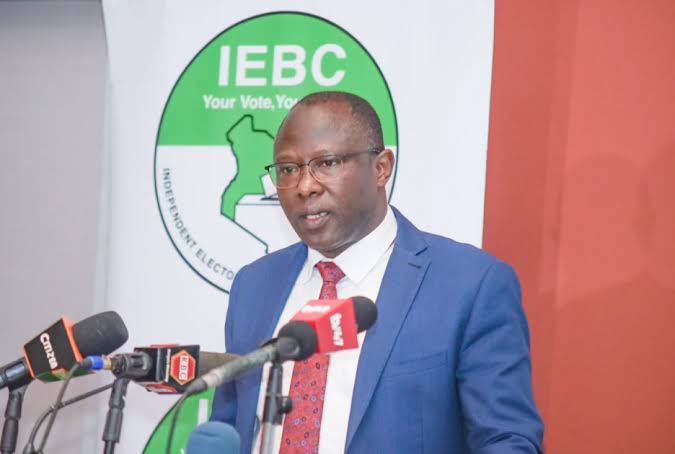
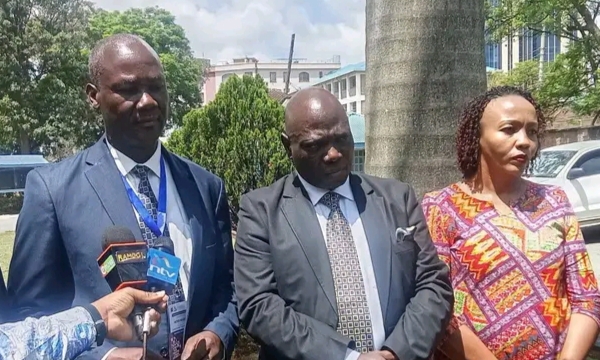
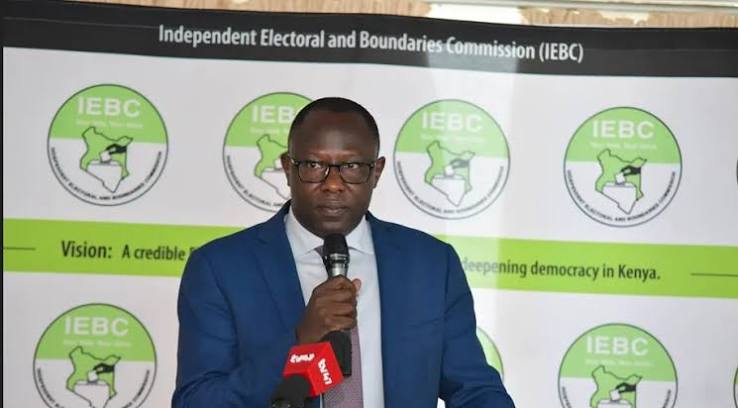
IEBC Chairperson Erastus Ethekon has called on journalists to take a leading role in combating hate speech, political propaganda and misinformation as Kenya prepares for the 2027 General Election. He has emphasised the media's responsibility in promoting responsible journalism, verifying information and providing balanced political coverage to help protect the integrity of the electoral process. Ethekon warned that the spread of inflammatory statements and false information could fuel political tensions, deepen divisions among communities and threaten peaceful elections. His remarks come as political activities gather momentum ahead of the 2027 polls, with journalists urged to champion national unity, public awareness and informed democratic participation.
Independent Electoral and Boundaries Commission (IEBC) Chairperson Erastus Ethekon has challenged journalists across the country to take a leading role in combating hate speech, political propaganda and misinformation as Kenya prepares for the 2027 General Election.
Ethekon said the media has a critical responsibility in shaping public opinion, promoting peaceful political engagement and ensuring that Kenyans receive accurate and reliable information throughout the electoral period.
With the country gradually moving towards the next General Election, the IEBC chairperson emphasised the importance of responsible journalism, warning that the spread of misleading information and inflammatory statements could undermine national cohesion and threaten the credibility of the electoral process.
He called on journalists to remain professional and impartial while covering political activities, noting that the media remains one of the most influential institutions in informing citizens and influencing conversations around elections.
According to Ethekon, journalists should use their platforms to promote informed public discussions rather than provide opportunities for individuals or political groups seeking to spread divisive messages.
He noted that hate speech and misinformation have the potential to create unnecessary tensions among communities, particularly during politically sensitive periods when competition for leadership positions tends to intensify.
Kenya has previously experienced challenges associated with political divisions, ethnic tensions and inflammatory political communication during election campaigns. These experiences have demonstrated the importance of maintaining responsible public communication, especially when political temperatures begin to rise.
The IEBC chairperson's remarks come at a time when political activities are expected to increase as politicians and political parties begin positioning themselves ahead of the 2027 polls.
As political leaders intensify their engagements with supporters, the media is expected to play a significant role in providing balanced coverage and ensuring that political statements are examined carefully before being presented to the public.
Ethekon urged journalists to exercise caution when reporting statements that could incite violence, encourage discrimination or create hostility between communities.
He stressed that freedom of expression should be exercised responsibly, adding that the media must remain conscious of the consequences of publishing unverified claims and inflammatory political messages.
The rapid growth of digital platforms has also transformed the way information is shared and consumed in Kenya. Social media platforms have become important channels through which political leaders, commentators and ordinary citizens communicate with millions of people.
However, the same platforms have also created opportunities for the rapid spread of false information, manipulated content and misleading political narratives.
Information can now reach thousands of people within minutes, making it increasingly difficult to contain false claims once they begin circulating online.
During election periods, misleading information can influence public perceptions, damage the reputations of political candidates and create confusion about electoral procedures and results.
Ethekon's appeal therefore places journalists at the centre of efforts to ensure that citizens are not misled by inaccurate information as the country approaches another important democratic exercise.
He encouraged media practitioners to strengthen their fact-checking practices and ensure that information is verified before publication or broadcast.
Journalists were also urged to distinguish between legitimate political criticism and statements intended to provoke hostility or promote divisions among Kenyans.
The responsibility of the media extends beyond simply reporting what political leaders say. Journalists are also expected to question claims, seek clarification and provide audiences with the necessary context to understand important political developments.
This role becomes particularly important during election campaigns, when political actors may make competing claims about government performance, electoral processes and the policies they intend to implement if elected.
Balanced reporting can help voters make informed decisions based on facts rather than rumours, emotional appeals or misleading political narratives.
The IEBC chairperson's concerns also highlight the importance of public trust in the electoral process.
For elections to be accepted as credible, citizens must have confidence in the institutions responsible for managing the exercise and the information they receive concerning electoral activities.
The media plays an important role in communicating information about voter registration, candidate nominations, campaign regulations, polling procedures and the announcement of election results.
Accurate reporting on these matters can help prevent unnecessary confusion and reduce the likelihood of disputes arising from misinformation.
On the other hand, inaccurate reports about electoral preparations or unverified allegations concerning the conduct of elections could weaken public confidence and create tensions.
Ethekon's message is therefore a call for journalists to recognise the influence they hold and use it to strengthen democratic participation.
He also underscored the importance of maintaining professionalism regardless of political pressure or personal interests that may emerge during the election period.
Media organisations have a responsibility to ensure that their coverage remains fair and that political candidates and parties receive balanced treatment in accordance with established journalistic standards.
The call comes against the backdrop of increasing political conversations surrounding the 2027 General Election, with various leaders already engaging communities and discussing possible political alliances.
As the political environment becomes more competitive, the possibility of misinformation, personal attacks and divisive messaging remains a concern.
The IEBC wants journalists to help create an environment where political disagreements can be discussed peacefully without encouraging hostility or threatening the unity of the country.
The chairperson's remarks also reinforce the importance of civic education and public awareness. Kenyans need access to accurate information that enables them to understand their democratic rights and responsibilities.
Through responsible reporting, journalists can help explain electoral laws, highlight the importance of peaceful participation and inform citizens about the procedures governing the election.
They can also provide platforms for discussions on governance, accountability, development and the issues affecting different communities.
Such coverage can contribute to a more informed electorate and encourage voters to evaluate candidates based on their policies, leadership records and proposed solutions to national challenges.
The fight against misinformation, however, cannot be left to journalists alone. Political leaders, government institutions, civil society organisations, technology companies and members of the public also have important roles to play.
Political leaders are expected to communicate responsibly and avoid statements that could encourage hatred or violence among their supporters.
Members of the public, meanwhile, have a responsibility to verify information before sharing it, particularly when dealing with sensitive political claims circulating on social media.
Media organisations can also strengthen internal editorial policies to ensure that potentially harmful content is properly examined before publication.
As Kenya moves closer to the 2027 General Election, the need for cooperation among different stakeholders is expected to become increasingly important.
The IEBC's appeal highlights the recognition that credible elections require more than efficient management of polling stations and the accurate counting of votes. They also depend on an environment in which citizens can access reliable information, participate freely and express their political views without intimidation.

You Might Also Like
-
**HEADLINE:** IEBC CHAIRPERSON ETHEKON QUESTIONS PRACTICALITY AND COST OF LIVESTREAMING RESULTS FROM 50,000 POLLING STATIONS **NEWS ARTICLE:** Independent Electoral and Boundaries Commission (IEBC) Chairperson Erastus Ethekon has questioned the practicality of livestreaming electoral activi
-
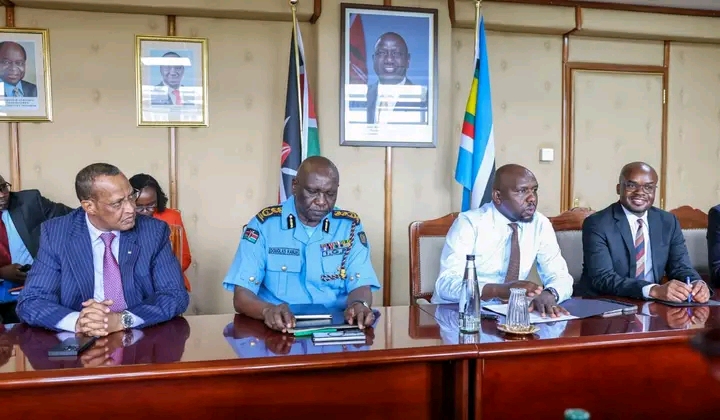
The meeting convened by Interior Cabinet Secretary Kipchumba Murkomen, attended by PS Raymond Omollo, IG Douglas Kanja, DIG Eliud Lagat, DIG Gilbert Masengeli and leaders from Isiolo and Garissa, marks an important government intervention following the recent deadly inter-community clashes. The eig
-
Football Kenya Federation (FKF) has partnered with the Kenya Red Cross Society in an agreement valued at approximately KSh54 million aimed at strengthening medical preparedness and emergency response across Kenyan football. The collaboration seeks to improve the safety and welfare of players, coache
-
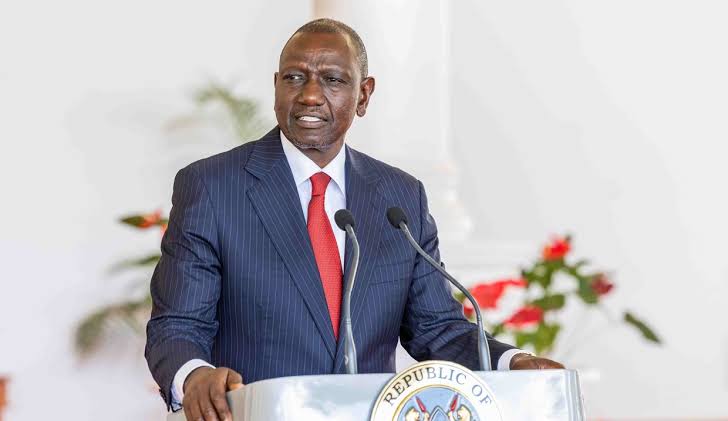
President William Ruto has announced an increase in Hustler Fund borrowing limits for approximately 4.5 million Kenyans who have demonstrated responsible repayment behaviour. The move is aimed at expanding access to affordable credit, supporting small-scale traders and entrepreneurs, and strengtheni
-
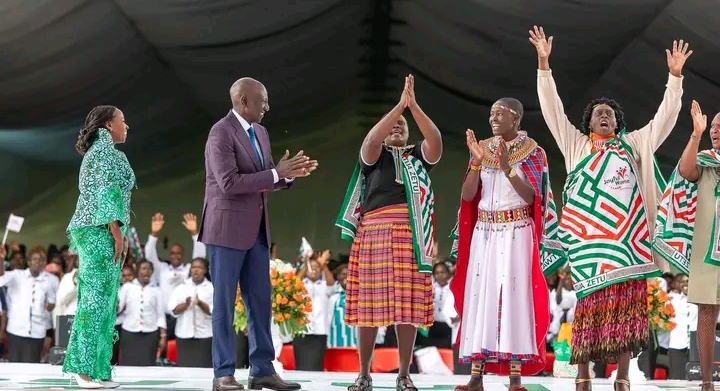
The 17th anniversary celebrations of Joyful Women Organization at State House on November 24, 2026, mark an important chapter in Kenya's efforts to promote women's economic independence. With President William Ruto leading the celebrations, the occasion recognises an organisation that began with app
-
By combining KIMC's expertise in media and communication with TSC's responsibility for teacher development, the initiative seeks to prepare educators for emerging learning areas under the Competency-Based Education curriculum. The training in Media Technology, Theatre and Film, Creative Arts, Music