IEBC Criticises Opposition Leaders for Walking Out of Electoral Preparedness Meeting Ahead of 2027 General Election
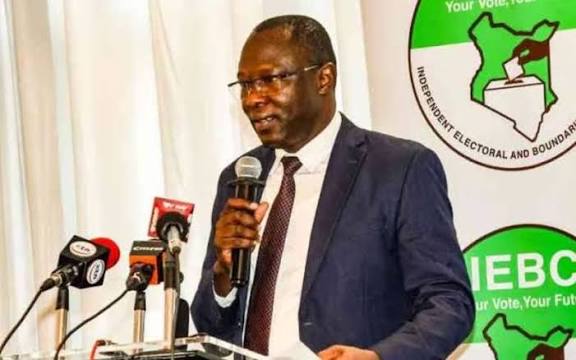
The Independent Electoral and Boundaries Commission (IEBC) has criticised opposition leaders for walking out of a consultative meeting on electoral preparedness ahead of the 2027 General Election. The commission accused the leaders of missing an important opportunity to raise concerns, discuss proposed electoral reforms and scrutinise its preparedness for the upcoming polls. The disagreement has renewed debate over the relationship between the electoral body and opposition political formations, particularly on issues surrounding transparency, institutional independence, voter registration, election technology and the credibility of results transmission. With the 2027 elections approaching, attention is now focused on how the IEBC will address concerns raised by political stakeholders and strengthen public confidence in the electoral process.
The Independent Electoral and Boundaries Commission (IEBC) has criticised opposition leaders who walked out of a consultative meeting on electoral preparedness, accusing them of abandoning an important opportunity to discuss electoral reforms and assess the commission’s readiness ahead of the 2027 General Election.
The commission expressed dissatisfaction with the decision by the opposition representatives to leave the meeting, arguing that the engagement had been organised to provide an opportunity for political players to raise concerns, seek clarification and contribute to discussions on preparations for the next general election.
The meeting was expected to bring together representatives of different political formations and the electoral commission to deliberate on issues surrounding the management of elections, institutional preparedness and the reforms required to strengthen the country's electoral process.
However, the departure of opposition leaders disrupted the planned engagement, creating fresh questions about the relationship between the commission and political stakeholders as the country moves closer to the 2027 polls.
IEBC maintained that consultative meetings provide an important platform through which political parties can directly engage the commission on matters affecting elections. The commission believes that such interactions are necessary to address disagreements, clarify concerns and identify possible solutions before the election period begins.
The commission also indicated that political parties have an important responsibility in ensuring that the country prepares adequately for a credible, transparent and peaceful electoral process.
With the 2027 General Election approaching, discussions surrounding electoral preparedness have increasingly become an important part of the country's political environment.
The electoral commission is expected to undertake several administrative and logistical activities before Kenyans head to the ballot. These include voter registration, voter education, the acquisition and management of election materials, preparations for polling stations and the recruitment and training of election officials.
The commission must also ensure that the necessary technological systems are available and properly tested to support the identification of voters, transmission of election results and management of electoral information.
These preparations require careful coordination between the commission, political parties, government institutions, security agencies and other stakeholders involved in the electoral process.
The consultative meeting was therefore viewed as an opportunity for political representatives to engage the commission on its plans and raise issues that could affect the credibility of the forthcoming elections.
The decision by opposition leaders to walk out has consequently drawn attention to the challenges surrounding stakeholder engagement and the need for continued dialogue between the electoral body and political formations.
For the opposition, concerns about the conduct of elections, the independence of the electoral commission and the implementation of previous electoral reforms remain important issues in discussions about the country's democratic future.
Political parties have frequently raised questions about the transparency of election management, the credibility of results transmission systems and the institutional capacity of the commission to conduct elections that command public confidence.
These issues have remained central to Kenya's electoral debates, particularly following previous elections that were characterised by legal challenges, political disagreements and public demands for greater transparency.
The commission, on its part, is expected to demonstrate that it is adequately prepared to conduct the 2027 General Election in accordance with the Constitution and the relevant electoral laws.
The disagreement surrounding the consultative meeting highlights the importance of establishing an environment in which political parties can raise their concerns and receive responses from the electoral management body.
The electoral commission's responsibility goes beyond organising voting activities on election day. It must ensure that every stage of the electoral process is conducted according to established legal and administrative requirements.
One of the major responsibilities ahead of the 2027 elections will be ensuring that the voter register is accurate, comprehensive and accessible to eligible Kenyan citizens.
Voter registration remains a critical component of election preparation because it determines the number of people eligible to participate in the democratic process.
The commission is expected to undertake activities aimed at registering eligible voters, updating existing records and ensuring that citizens have an opportunity to verify their registration details.
Political parties and other stakeholders are also expected to encourage eligible citizens to participate in the registration process while supporting public awareness campaigns on voting requirements.
Another important issue concerns the preparedness of the technology that will be used during the election.
Kenya's electoral process relies on technological systems to support voter identification, the transmission of results and the management of election-related information.
The reliability of these systems has previously attracted considerable public attention, with political leaders and election observers calling for transparency in their procurement, testing and deployment.
The commission will therefore need to demonstrate that the relevant systems are functional, secure and capable of supporting the electoral process across the country.
Proper testing and public communication will be essential in addressing concerns surrounding the use of technology during the elections.
Political parties are also likely to demand assurances that the systems will be accessible to authorised representatives and that sufficient safeguards will be in place to protect the integrity of election information.
The recruitment and training of election officials will equally form part of the commission's preparations.
Thousands of personnel are expected to be involved in managing different aspects of the election, including voter identification, polling station administration, counting and the transmission of results.
These officials must understand their responsibilities and operate within the legal framework governing elections.
The commission will also be required to establish appropriate mechanisms for handling complaints and resolving disputes that may arise during the electoral process.
Effective dispute resolution is important because disagreements involving candidates, political parties and election officials can affect public confidence if they are not addressed through transparent and lawful procedures.
The opposition's decision to leave the consultative meeting has also brought renewed attention to the question of political trust in the electoral commission.
Public confidence is an important requirement for any electoral institution because citizens and political parties must have faith in the systems used to organise and manage elections.
Where stakeholders express concerns about the commission's independence or preparedness, the institution is expected to address those issues through clear communication, transparency and adherence to the law.
At the same time, political parties are expected to utilise available institutional channels to present their grievances and participate in discussions concerning electoral reforms.
Consultative engagements provide an opportunity for the commission to understand the expectations of different political formations while explaining the administrative and legal considerations guiding its operations.
Such meetings can also help identify areas requiring further attention before the election period becomes more politically charged.
The 2027 General Election is expected to attract significant political competition as different parties and coalitions prepare to present candidates for various elective positions.
The contest will involve the presidency, parliamentary seats, county leadership positions and other elective offices across the country.
As political activities increase, the electoral commission will face growing demands to demonstrate its independence and operational capacity.
The institution will also be expected to ensure that all registered political parties and candidates are treated fairly throughout the electoral process.
This includes providing equal access to relevant electoral information, enforcing campaign regulations and ensuring that electoral laws are applied consistently.
The commission must also work with relevant institutions to promote peaceful political competition and prevent activities that could undermine the democratic process.
Election preparedness involves more than the procurement of materials and the establishment of polling stations. It also requires creating an environment in which voters can exercise their constitutional rights without intimidation, discrimination or unnecessary interference.
Political parties have an important role in promoting peaceful participation by educating their supporters on electoral procedures and encouraging respect for the law.
They are also expected to prepare their agents to monitor voting, counting and other electoral activities within the provisions of the law.
The commission's engagement with political parties is therefore considered an important part of building a shared understanding of the requirements for conducting elections.
The disagreement over the consultative meeting comes as political leaders continue to express different views on the reforms they believe should be implemented before the next general election.
Electoral reforms have remained a recurring subject in Kenya's political discussions, with stakeholders raising concerns about voter registration, electoral technology, the independence of institutions and the management of election results.
The commission is expected to consider issues raised by stakeholders while operating within its constitutional mandate and the relevant legal framework.
Any proposed changes to electoral laws may also require engagement with Parliament and other institutions responsible for reviewing and approving legislation.
This means that preparations for the 2027 General Election will involve several institutions, each with specific responsibilities in ensuring that the electoral process meets constitutional standards.
The IEBC will consequently need to maintain open communication with political parties, civil society organisations, election observers and members of the public.
The commission's ability to respond to concerns and provide regular updates on its preparations will be important in shaping public understanding of its readiness.
The opposition leaders' walkout has also highlighted the need for political dialogue to continue despite disagreements over the conduct and management of elections.
A consultative meeting provides an opportunity for stakeholders to express different opinions, question proposed arrangements and seek explanations from the electoral commission.
However, the effectiveness of such engagements depends on the willingness of all participating parties to remain involved in discussions and pursue their concerns through established channels.
As the country approaches the 2027 General Election, the commission is expected to face increasing scrutiny over its preparations, independence and ability to manage a credible electoral process.
The latest disagreement therefore adds another dimension to the ongoing debate about electoral reforms and the relationship between the IEBC and political stakeholders.
With the election drawing closer, attention will remain focused on whether the commission and opposition leaders can find common ground on matters affecting electoral preparedness.
The commission has maintained that political parties should utilise consultative platforms to discuss their concerns rather than abandon opportunities for engagement.
The credibility of the 2027 General Election will depend on the effective implementation of electoral laws, institutional preparedness, transparency and the confidence of Kenyans in the entire voting process.
The coming months will therefore be important in determining how the commission addresses outstanding concerns, strengthens its operational capacity and engages political stakeholders ahead of one of the country's most significant democratic exercises.

You Might Also Like
-
German Federal President Frank-Walter Steinmeier is expected to arrive in Kenya on November 25–26, 2026, for a two-day official visit that will include high-level bilateral talks with President William Ruto at State House. The visit is expected to strengthen diplomatic relations between Kenya and
-
President William Ruto has renewed his criticism of opposition leaders who walked out of a consultative meeting with the Independent Electoral and Boundaries Commission (IEBC), accusing them of transferring their frustrations over disagreements on who should lead their presidential campaign to the e
-
Embakasi East MP Babu Owino has reaffirmed his political relationship with Nairobi Senator Edwin Sifuna, describing him as his brother and dismissing speculation that their individual political ambitions could create divisions within the Linda Mwananchi movement. Babu maintained that their political
-
A political party has moved to court seeking to suspend the recruitment of the Independent Electoral and Boundaries Commission (IEBC) Chief Executive Officer, citing alleged integrity concerns surrounding the selection process. The legal challenge comes at a critical time as the electoral commission
-
Police Headquarters has ordered a mandatory nationwide physical headcount of all National Police Service officers following reports that some serving officers are allegedly being illegally recruited by foreign agencies to work as mercenaries abroad. The exercise is expected to establish the whereabo
-
Former Aldai Member of Parliament and Deputy Speaker of the National Assembly, Samuel Ng’eny, has passed away, marking the loss of a veteran public servant who made significant contributions to Kenya's education sector, parliamentary leadership and public administration. Ng’eny served as Aldai M