IEBC Joins Multi-Agency Forum as Political Parties Sign Charter for Peaceful 2027 Elections
IEBC's participation in multi-agency engagement on the 2027 General Election reflects the importance of early preparation, cooperation and prevention in protecting Kenya's democratic process. The effort to secure political parties' commitment to a peace charter seeks to establish a shared standard against violence, intimidation, hate speech and ethnic division. As Kenya moves towards the August 2027 polls, the success of the initiative will depend on practical action rather than declarations alone. Political leaders must promote issue-based campaigns, security agencies must act professionally, electoral institutions must remain impartial, and citizens must be able to exercise their democratic rights freely.
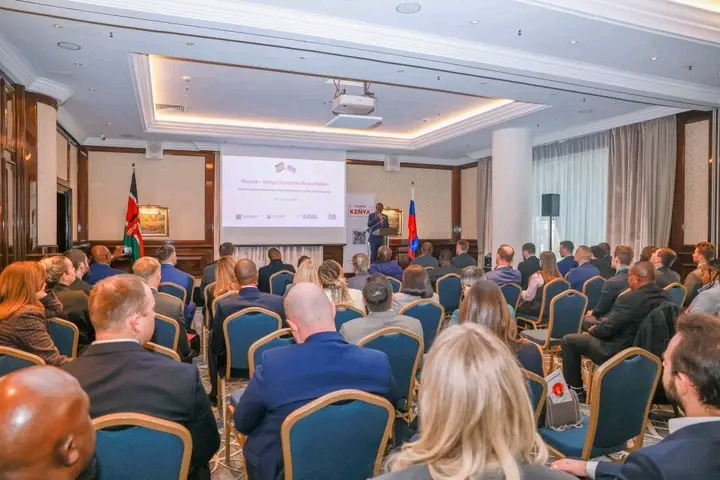
The multi-agency engagement forum on the 2027 elections provides an opportunity for electoral officials, political parties, security agencies, government institutions and other stakeholders to discuss measures that can help protect peace before, during and after the polls. The signing of a charter to promote peaceful 2027 campaigns represents an important step towards encouraging political actors to compete on the basis of ideas, policies and development agendas rather than intimidation, threats or violence.
With the next General Election expected in August 2027, such engagements are important because political activities often intensify as parties identify candidates, mobilise supporters and prepare for nominations and national campaigns. Cooperation among the relevant institutions can help address potential tensions before they develop into serious security incidents.The IEBC plays a central role in preparing for and administering elections in Kenya. However, the responsibility for peaceful elections extends beyond the electoral commission. It requires cooperation among institutions responsible for electoral administration, political party regulation, national cohesion, law enforcement, prosecution and the protection of constitutional rights.
The National Cohesion and Integration Commission (NCIC) has been leading efforts to develop a roadmap for violence-free elections in 2027, bringing together various institutions and stakeholders. On August 25, 2026, the reported the launch of the second edition of the roadmap, known as Uchaguzi Bila Noma, which seeks to prevent electoral violence, hate speech and political intolerance. The IEBC's participation in multi-agency engagements reflects the need to identify potential electoral risks early and coordinate responses before tensions escalate. Such cooperation is particularly important in areas where political competition, ethnic divisions, misinformation or disputes between rival groups could threaten public safety.
The forum also provides a platform for stakeholders to clarify their respective responsibilities. The electoral commission is responsible for managing the electoral process, while other agencies have distinct legal mandates involving political party regulation, national cohesion, security and the administration of justice.
The objective is to ensure that no institution works in isolation when addressing threats to the integrity and peaceful conduct of the election.Political parties urged to embrace peaceful campaigns
Political parties are among the most important participants in efforts to prevent election-related violence. Their leaders influence the language used during campaigns, the conduct of supporters and the manner in which political disagreements are handled.
A peace charter is intended to establish shared standards of conduct that political parties and their representatives are expected to observe throughout the election period. These commitments can include rejecting violence, intimidation, hate speech, ethnic mobilisation and the use of organised groups to disrupt opponents' meetings.
Political parties are also expected to encourage supporters to respect rival candidates and their supporters, even when disagreements over policies, leadership or development priorities become intense.In September 2026, the NCIC convened a two-day National Stakeholders Conference on Peaceful 2027 General Election, commonly known as the Amani Conference. According to reports, stakeholders from political parties, government, security agencies, religious organisations, civil society, youth groups and the transport sector committed themselves to promoting peaceful and inclusive elections.
The commitments included conducting issue-based campaigns, avoiding ethnic hostility and working with electoral and security institutions to prevent violence.
The wider message is that political competition should be based on policy proposals, leadership records and plans for improving the lives of Kenyans. Political parties should allow voters to make decisions freely rather than attempting to influence them through threats or intimidation.IEBC's role in protecting electoral integrity
The IEBC's involvement in election preparedness extends beyond organising polling stations and counting ballots. The commission must also help ensure that eligible Kenyans can participate in elections without fear, intimidation or unlawful interference.
In an October 8, 2026, report, detailed the commission's efforts to strengthen election security through engagement with security, justice and other stakeholders. The programme included joint risk assessments, early-warning systems, coordinated responses and protection of voters, candidates, electoral personnel and materials. The commission also has a responsibility to enforce the electoral rules within its mandate. Candidates and political parties are expected to comply with the applicable electoral laws and the Electoral Code of Conduct.
When alleged violations arise, complaints should be handled through established procedures. Consistent and impartial enforcement can help build public confidence and discourage political actors from believing that their influence protects them from accountability.
The IEBC must also communicate clearly with the public about electoral procedures, timelines and decisions. Timely information can help counter rumours and prevent misunderstandings from developing into larger disputes.The multi-agency approach recognises that different institutions have complementary responsibilities in maintaining peace.
The National Police Service is responsible for maintaining law and order, protecting life and property, and responding to criminal activity. Security agencies can also identify emerging threats and coordinate preventive measures where credible risks have been established.
The NCIC focuses on national cohesion, addressing ethnic discrimination, hate speech and incitement. Its work is particularly relevant during election periods, when political messages can sometimes exploit ethnic identity or historical grievances.Political leaders can influence the mood of their supporters through public speeches, interviews, rallies and online posts. Statements that portray rival communities as enemies or encourage hostility can increase tensions and make peaceful political engagement more difficult.
The peace campaign therefore requires leaders to exercise responsibility in their communication. Political differences should be expressed without threats, discriminatory language or calls for violence.Political parties should not recruit or use young people to intimidate opponents, disrupt public gatherings or engage in violence. Instead, young people can contribute through voter education, peaceful political discussions, community initiatives and responsible use of digital platforms.
The same responsibility applies to the transport sector, including boda boda operators and matatu crews, whose services are often important during campaigns. Stakeholders at the September Amani Conference committed to rejecting the use of their members as instruments of political violence and intimidation.Despite the positive intentions behind the multi-agency engagement, implementing a peace charter may face several challenges.
First, political parties may question whether the rules are being applied equally. Any perception that some leaders are protected while others face enforcement could weaken confidence in the initiative.
Second, political competition may become more intense as parties prepare for nominations, coalitions and presidential campaigns. Disagreements over candidates and party leadership can generate tensions even before the official campaign period.
Third, the spread of misinformation and the possible use of organised groups to disrupt political events may complicate efforts to maintain peace.

You Might Also Like
-
Chief Justice Martha Koome’s call for adequate funding and stronger institutional preparation highlights the important role the Judiciary will play in Kenya’s 2027 General Election. Her announcement on October 28, 2026, of specialised training targeting more than 400 judicial officers demonstrat
-
A Nairobi court has declined to review the bail terms of a manyoka stunt matatu driver accused of causing a fatal crash along Enterprise Road in June. The accident claimed the lives of three passengers and left several others injured, raising renewed concerns about reckless driving and passenger saf
-
President William Ruto's visit to Moscow for the Third Russia–Africa Summit and Economic and Humanitarian Forum is an important diplomatic engagement for Kenya. The government is seeking to expand export markets, attract Russian investment, strengthen manufacturing, explore energy and infrastructu
-
 Musalia Mudavadi’s engagement with senior management at Sberbank’s headquarters in Moscow highlights Kenya’s efforts to strengthen economic diplomacy during the Third Russia–Africa Summit period. The meeting provides a potential platform for exploring financial services, digital innovation,
-
KEMSA's call for all 47 counties to allow SHA to facilitate payments for medicines highlights the need for a more dependable healthcare financing system in Kenya. The proposal seeks to improve the flow of money to the medical supply chain, reduce payment difficulties and help healthcare facilities m
-
William Owuor Ochieng’, popularly known on Facebook as “William Jahome,” has been arrested in Nairobi’s Central Business District over allegations of online threats, incitement to violence and ethnic hostility. The arrest has renewed attention on the growing concerns surrounding the misuse o