



IEBC SUSPENDS BALLOT PAPER TENDER AS PROCUREMENT CHALLENGE GOES BEFORE REVIEW BOARD
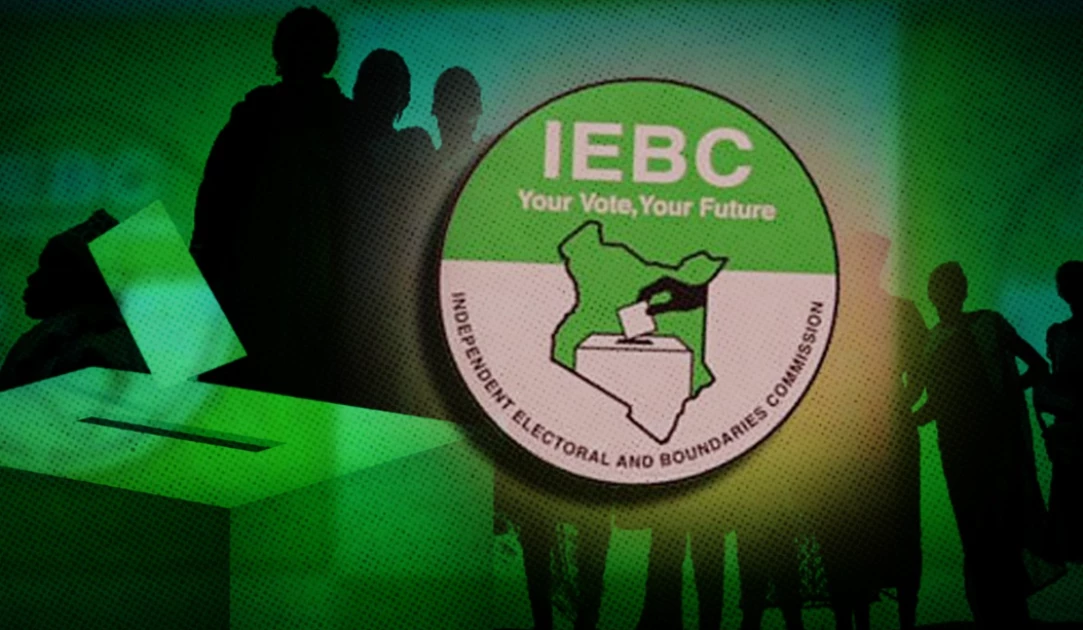
IEBC has suspended the tender for the supply of ballot papers and other key election materials after a procurement review request was filed, pending a decision by the Public Procurement Administrative Review Board.
The Independent Electoral and Boundaries Commission (IEBC) has temporarily suspended the procurement process for the supply and delivery of ballot papers and other critical election materials after a request for review was filed before the Public Procurement Administrative Review Board.
The development places the tender process on hold as the electoral commission awaits the outcome of the procurement review process. The affected tender covers important materials that will be required for the 2027 General Election, including ballot papers, tactile folders, the Register of Voters and statutory election result declaration forms.
Acting IEBC Commission Secretary and Chief Executive Officer Ruth Kulundu said the procurement proceedings had been halted following the filing of the request for review. The suspension means that the commission cannot proceed with the affected procurement process until the matter is addressed through the established legal and administrative procedures.
The development comes at a significant stage in Kenya's preparations for the 2027 General Election. With the country already entering the election preparation period, the procurement of election materials is among the key logistical tasks facing the electoral commission.
Ballot papers are among the most essential materials required during an election because they provide voters with the means to cast their votes. Other materials covered by the tender also play important roles in facilitating the voting process, documenting election results and supporting voters with disabilities.
The Register of Voters is particularly important because it contains information used to identify eligible voters, while statutory result declaration forms are used by election officials to formally record and transmit results at different levels of the electoral process.
Tactile folders, meanwhile, are designed to assist voters with visual disabilities in participating independently in elections.
The procurement of these materials is therefore a major component of the IEBC's wider preparations for the next General Election.
PROCUREMENT PROCESS PUT ON HOLD
The IEBC's decision to suspend the tender follows a procurement challenge lodged before the Public Procurement Administrative Review Board.
The Board is established to handle disputes arising from public procurement processes and provides an avenue through which bidders and other eligible parties can challenge decisions or requirements they consider inconsistent with procurement law.
The review process is therefore separate from the political contest surrounding the 2027 elections.
The IEBC has previously confirmed that the procurement of ballot papers and election technology had been temporarily halted after requests for review were filed before the procurement review body. The commission said the relevant tenders were still at the procurement stage and that no award had been made.
The ballot-paper tender is identified as IEBC/OIT/02/2026–2027 and covers the supply and delivery of ballot papers, tactile folders, the Register of Voters and statutory election result declaration forms.
The procurement notice was published in August, with the original submission deadline set for September 1, 2026.
The latest development means that the procurement process will have to wait for the relevant review proceedings to be concluded before the commission can determine its next step.
IMPORTANCE OF THE REVIEW PROCESS
Public procurement in Kenya is governed by constitutional and statutory requirements intended to promote fairness, transparency and competition.
When a bidder or another eligible party challenges a procurement process, the review mechanism allows the dispute to be examined before the procurement can proceed.
Such mechanisms are intended to provide an avenue for resolving disagreements without automatically assuming that either the procuring entity or the complainant is right.
In the IEBC case, the request for review will therefore have to be considered through the appropriate procurement process.
The commission will be expected to comply with any directions that may arise from the review proceedings.
The suspension does not, by itself, establish that the IEBC violated procurement laws or that any bidder was improperly treated. It simply means that the procurement process has been temporarily put on hold pending the determination of the challenge.
This distinction is important because procurement disputes can arise over a wide range of issues, including tender requirements, technical specifications, eligibility conditions, evaluation procedures and other aspects of the bidding process.
2027 ELECTION PREPARATIONS
The tender dispute comes as the IEBC continues preparations for the August 10, 2027 General Election.
The commission has been undertaking several activities aimed at preparing the electoral system, including voter registration, election planning, stakeholder engagement and procurement of election materials.
The IEBC has said procurement of various election materials is part of its preparations for the General Election and that other strategic and non-strategic procurements are continuing.
The commission's official website currently identifies August 10, 2027 as the date of the next General Election and continues to publish information on election preparations.
The procurement of ballot papers is particularly sensitive because the materials must be prepared, printed, transported and distributed to thousands of polling stations across the country.
The commission therefore has to work within established timelines while also ensuring that procurement decisions comply with the law.
Any prolonged procurement dispute could create additional logistical pressure, although the current suspension does not by itself indicate that the election timetable is affected.
PREVIOUS PROCUREMENT CHALLENGES
The latest ballot-paper dispute is not the first procurement challenge facing the electoral commission this year.
In September, the Public Procurement Administrative Review Board directed the IEBC to review and amend its tender for the Integrated Elections Management System, hardware and accessories after finding shortcomings in some of the procurement documents.
That separate tender is identified as IEBC/OIT/01/2026–2027 and concerns election technology rather than ballot papers.
The Board found that some provisions in the technology tender were not sufficiently clear to allow prospective bidders to understand how their bids would be evaluated.
It directed the IEBC to make the necessary corrections and publish a new compliant tender document, while allowing prospective bidders at least seven days to consider the amendments and prepare their bids.
The technology procurement has also attracted public and political scrutiny, with the IEBC defending the specifications as generic and performance-based and saying they were open to qualified suppliers.
The commission has maintained that no company had been awarded the technology tender at the time of its statement.
BALLOT PAPERS AND ELECTORAL MATERIALS
The materials covered by the latest tender will be required across the country during the election.
Ballot papers must be produced in accordance with the final electoral requirements and distributed to the appropriate constituencies and polling stations.
The process involves significant logistical planning because different elective positions require different ballot papers.
Kenyan voters will elect the President, Members of Parliament, Members of County Assemblies and other representatives in the 2027 General Election.
The preparation of the materials must therefore take into account the number of registered voters, electoral areas and polling stations.
The Register of Voters is similarly important because it supports the verification of voters at polling stations.
Statutory election result declaration forms are also central to the formal recording and declaration of results.
The procurement of these materials must consequently be completed within a timeframe that allows for production, quality checks, packaging, transportation and distribution before polling day.
IEBC UNDER SCRUTINY
The latest procurement development comes at a time when the IEBC is under increased public attention as political parties and potential candidates begin preparing for the 2027 elections.
The commission has repeatedly defended its procurement procedures and said it is operating within the Constitution and the Public Procurement and Asset Disposal Act.
The IEBC has also urged political actors and members of the public to use established legal mechanisms when raising concerns about electoral processes.
The procurement review process provides one such mechanism.
Rather than proceeding with a disputed tender while the matter is under consideration, the suspension allows the relevant body to examine the complaint and provide directions before the procurement advances.
The outcome of the review will determine what happens next.
Depending on the decision, the IEBC could be allowed to continue with the tender, required to make changes to the procurement documents or directed to take another step in accordance with the applicable procurement laws.
WHAT HAPPENS NEXT?
The immediate next step is for the procurement review process to proceed.
The IEBC will be required to comply with the applicable procedures and any directions issued by the Public Procurement Administrative Review Board.
The commission will also need to monitor its election-preparation timetable to ensure that procurement delays do not unnecessarily affect the broader preparations for the 2027 polls.
For now, however, the ballot-paper tender remains suspended.
The development highlights the delicate balance the IEBC must maintain between moving quickly enough to prepare for a major national election and ensuring that every procurement process follows the law.
The electoral commission has already indicated that other procurement activities are continuing as planned, while the affected tenders remain subject to review.
As the review process continues, attention will remain focused on the ballot-paper tender because of the importance of the materials involved.
Any eventual decision will provide clarity on whether the current procurement can proceed or whether changes will be required before the IEBC moves forward.
For now, the commission's position is clear: the procurement proceedings for the supply and delivery of ballot papers and other specified election materials have been temporarily halted following a request for review.
The suspension is therefore part of an ongoing procurement process rather than an indication that the 2027 election itself has been cancelled or postponed.
With less than a year remaining before Kenyans head to the ballot, the IEBC will have to navigate the procurement review while continuing preparations for the election.
The coming weeks are likely to provide further clarity on the dispute and the next steps the electoral commission will take regarding the supply of ballot papers, tactile folders, the Register of Voters and statutory result declaration forms.

You Might Also Like
-
Ameliah Cherotich from Keringet, Kuresoi South, is battling a serious heart condition and urgently needs specialised treatment in India. Her family is seeking KSh 2.5 million and is appealing to leaders, well-wishers and the community for support.
-
The government is targeting the issuance of at least 500,000 more title deeds in the Coastal region, building on an ongoing programme aimed at strengthening land ownership, resolving historical disputes and improving security of tenure.
-
The latest NTSA developments show that Kenya's matatu sector is entering another phase of regulatory and professional reforms. The authority is currently emphasizing qualified drivers and crew, roadworthy vehicles, proper licensing, maintenance records, authorised routes and responsible management o
-
Kenyan TikTok personality Patrick Mbacio, popularly known as “Patrick The Truth,” has died after being found dead inside his home in Nakuru, bringing to an abrupt end the life of a social-media figure who rose to fame through viral videos about his relationships, lifestyle and interactions with
-
Aliko Dangote's journey has moved from commodity trading to one of Africa's largest industrial empires. His businesses now span cement, fertiliser, sugar, food products, petrochemicals, oil refining, logistics and related industries. Forbes currently estimates his wealth at approximately $31.4 billi
-
Lang’ata MP Jalang’o has announced a candle-lighting ceremony at Uhuru Park this Friday to commemorate the life and legacy of the late Raila Odinga.