Kalonzo Meets Gachagua as Opposition Leaders Intensify Talks on 2027 Presidential Candidate
Wiper Patriotic Front leader Kalonzo Musyoka has met former Deputy President Rigathi Gachagua at his Wamunyoro residence in Nyeri County as opposition leaders continue consultations on a possible joint presidential candidate for the 2027 General Election. The meeting comes amid discussions involving DCP, Edwin Sifuna and the Linda Mwananchi Movement, with questions remaining over the opposition's preferred flagbearer.
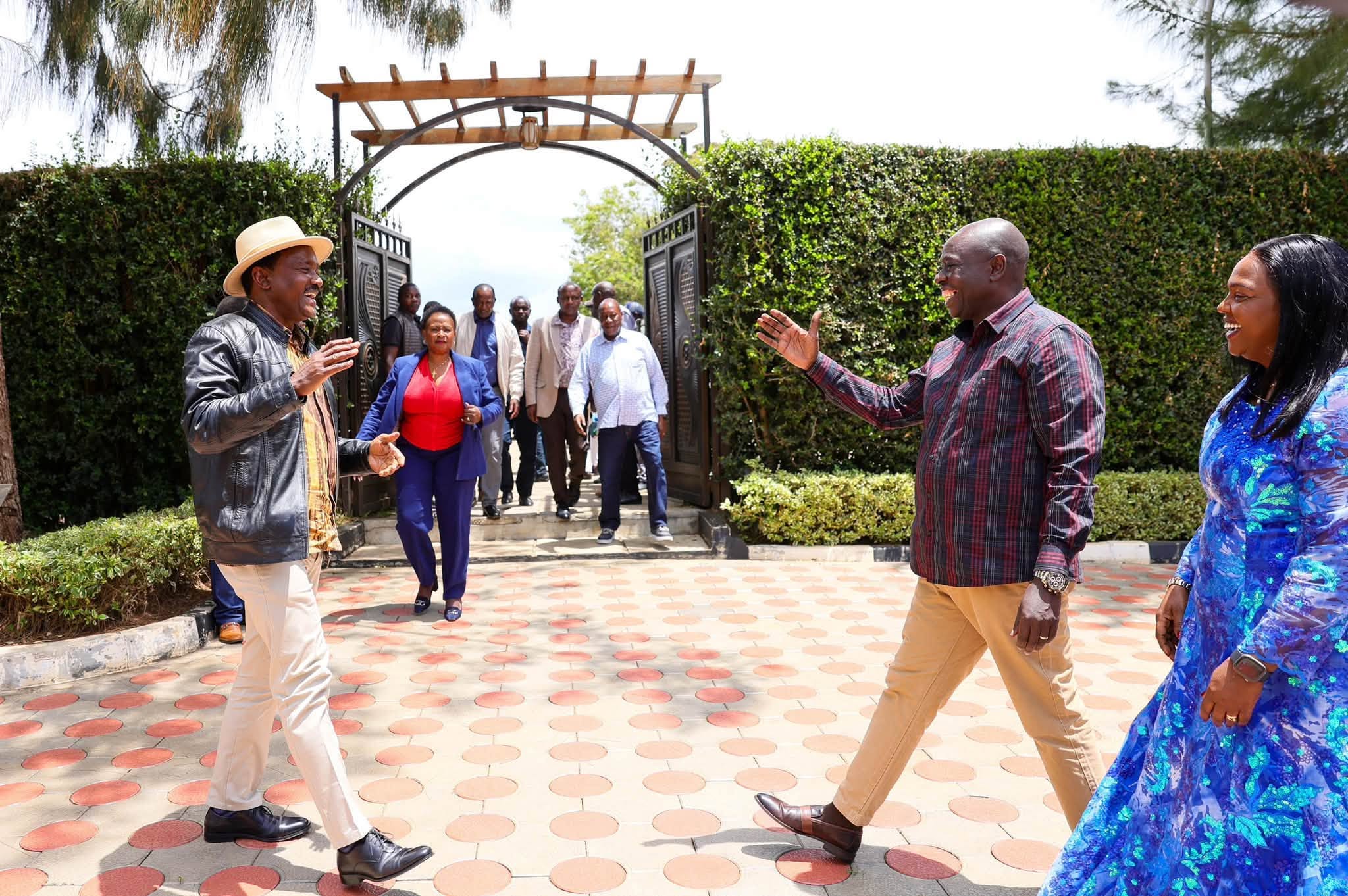
Wiper Patriotic Front (WPF) leader Kalonzo Musyoka has met former Deputy President Rigathi Gachagua at his Wamunyoro rural residence in Nyeri County as opposition leaders intensify consultations on the possibility of presenting a joint presidential candidate to challenge President William Ruto in the 2027 General Election.
The Monday, October 26, meeting comes at a time when political formations outside the ruling camp are exploring ways to strengthen cooperation, reconcile competing ambitions and establish a common strategy ahead of the next presidential contest. The discussions have renewed attention on the possibility of a broader opposition alliance involving Kalonzo, Gachagua and other political figures seeking to challenge the incumbent administration.
The engagement also follows Gachagua's recent meeting with Nairobi Senator Edwin Sifuna and leaders associated with the Linda Mwananchi Movement at his Wamunyoro residence. That meeting, held on October 20, brought opposition cooperation and the possibility of joint political activities into the spotlight, further intensifying discussions about the direction of the opposition ahead of the 2027 elections.
Although the details of the latest meeting between Kalonzo and Gachagua were not immediately made public, the engagement comes amid growing calls for opposition leaders to agree on a common presidential candidate. The challenge facing the political camp is how to bring together leaders with their own ambitions, supporters and political priorities while maintaining unity around a shared objective.
Kalonzo's visit to Wamunyoro is also part of a series of engagements between the two leaders, who have maintained political contact despite the changing dynamics within the opposition. The Wiper leader had indicated that he would visit Gachagua following the former deputy president's earlier visit to his home in Tseikuru, Kitui County.
Kalonzo has sought to downplay suggestions that the meetings indicate disagreements within the opposition. He has described the visits as normal engagements between friends and political allies, insisting that consultations are necessary as leaders work towards establishing a united political alternative ahead of the next General Election.
The Wiper leader has also maintained that bringing opposition figures together remains an important priority, particularly as discussions about the presidential ticket continue. His position reflects the broader challenge of balancing individual political ambitions with the need to develop an agreement that can accommodate different parties and their supporters.
The consultations come against the backdrop of competing views about who should represent the opposition in the 2027 presidential race. Kalonzo, Gachagua and Sifuna have all featured in discussions surrounding the possible leadership of a joint opposition campaign, although no final agreement on a common candidate had been announced at the time of the meeting.
Gachagua, who leads the Democracy for the Citizens Party (DCP), has been involved in efforts to engage different opposition formations and explore areas of cooperation. His meeting with Sifuna and leaders associated with Linda Mwananchi was one of the recent developments that intensified speculation about possible political realignments ahead of the election.
The latest engagement with Kalonzo is therefore being watched as part of the continuing consultations on how the opposition could organise itself for the 2027 contest. The outcome of such discussions could influence the alliances, campaign arrangements and leadership negotiations that take shape in the coming months.
One of the issues attracting attention is the position of Edwin Sifuna, who has emerged as a potential candidate in discussions about the opposition's presidential strategy. DCP Deputy Party Leader Cleophas Malala recently stated that his party had settled on Sifuna as its preferred candidate and intended to engage Kalonzo in an effort to build support for his possible candidature.
Malala's remarks, however, were disputed by Wiper officials. Through party spokesperson and lawyer Ndegwa Njiru, Wiper rejected the suggestion that Kalonzo's meeting with Gachagua was primarily intended to persuade him to support Sifuna. The party expressed concern that such claims could create unnecessary divisions at a time when opposition leaders were attempting to strengthen cooperation.
The disagreement highlights the complexity of negotiations surrounding the opposition's future leadership. While some political actors have publicly expressed support for particular candidates, other leaders have emphasised the need for wider consultations before a final decision is reached.
For an alliance to emerge, the participating parties would need to address questions about candidate selection, political representation, campaign coordination and the distribution of responsibilities within a possible coalition. They would also need to agree on a process that is acceptable to the different groups involved.
Such negotiations can be difficult when several leaders have presidential ambitions or command significant support within their respective political bases. A successful agreement would require dialogue, compromise and a clear understanding of how decisions would be made.
Kalonzo has indicated that he intends to continue engaging leaders who aspire to become president, including those who may ultimately compete for the opposition ticket. His approach suggests that consultations will remain an important part of the process as the political camp seeks to establish common ground.
The Wiper leader has also warned against attempts to create divisions among opposition figures, arguing that differences should be resolved through direct engagement rather than public exchanges. He has maintained that leaders need to remain committed to dialogue even when disagreements emerge over strategy or individual ambitions.
The meeting at Wamunyoro also comes at a time when the opposition is seeking to define its political message ahead of the 2027 General Election. Beyond the question of who will become the presidential candidate, opposition leaders will need to determine the policies and priorities they intend to present to voters.
Issues such as the cost of living, employment opportunities, public services, economic growth, healthcare and education are likely to feature prominently in political discussions as parties prepare for the next election cycle. How the different opposition formations approach these concerns could influence the development of their campaign platforms.
A joint presidential candidate would also need the support of the political parties and grassroots networks participating in the alliance. Building such support requires more than meetings among senior leaders; it also involves consultations with party members, regional representatives and other groups whose participation could shape the coalition's structure.
The opposition's ability to coordinate activities across different regions may therefore become an important consideration in the months ahead. Leaders will have to determine how to communicate their agenda, organise political engagements and maintain cooperation among supporters with different expectations.
At the same time, the ruling United Democratic Alliance and President William Ruto remain central to the political calculations surrounding the 2027 election. The possibility of a united opposition has drawn attention because the participating leaders are seeking a common approach to challenging the incumbent administration.
However, the existence of consultations does not necessarily mean that a final coalition agreement has been reached. Political negotiations often involve several stages, and the outcome can depend on the willingness of the parties involved to compromise on leadership, policy priorities and campaign arrangements.
The meetings between Kalonzo and Gachagua also demonstrate the importance of personal relationships in political engagement. Maintaining communication between senior leaders can provide opportunities to resolve disagreements and explore cooperation even when their parties have different priorities.
Kalonzo has previously dismissed claims that visits between opposition leaders should automatically be interpreted as evidence of rivalry or division. He has argued that such engagements are part of the process of maintaining relationships and discussing the country's political future.
For Gachagua, continued engagement with opposition figures provides an opportunity to participate in discussions about the shape of a possible alliance. His position as DCP leader places him among the political actors involved in efforts to determine how the opposition could organise itself before the next election.
Nevertheless, questions remain about how the various political interests will be reconciled. The disagreement over Sifuna's possible candidature illustrates that consensus cannot be assumed simply because leaders are meeting or expressing a desire for unity.
The selection of a common candidate is likely to require further negotiations, particularly if several political figures continue to express interest in leading the opposition into the presidential race. Establishing a credible and transparent selection process could be important in preventing disagreements from undermining any agreement reached.
Opposition leaders will also need to consider how their supporters would respond to a final arrangement. Political alliances are more sustainable when their members understand the reasons behind the decisions made and believe that their interests have been considered during negotiations.
As the 2027 General Election approaches, further meetings are expected to remain part of the political process as parties assess possible partnerships and define their strategies. The discussions could involve additional leaders and formations seeking to establish whether they share sufficient interests to cooperate under a common platform.
For now, the meeting between Kalonzo and Gachagua has added another development to the ongoing consultations over opposition unity. While the exact outcome of their discussions remains unclear, the engagement underscores the continuing effort to find common ground among political leaders who want to challenge President Ruto in the next General Election.
The coming months will be important in determining whether the consultations translate into a formal coalition, whether the participating parties can agree on a presidential candidate and how they intend to organise their campaign.

You Might Also Like
-
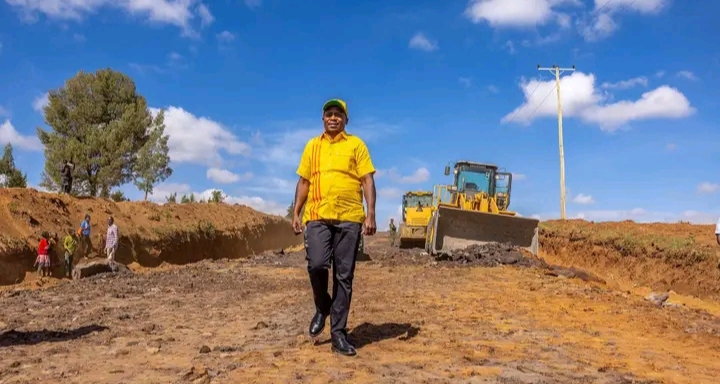
The reported inspection by Deputy President Kithure Kindiki of the Njoro–Beeston–Lawina–Elburgon road on October 27, 2026, highlights an important infrastructure project in Nakuru County. Official records confirm that the wider road programme covers approximately 40 kilometres, has a listed c
-
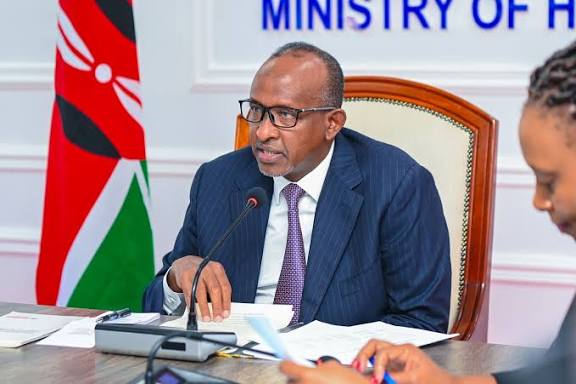
Kenya’s Ministry of Health has confirmed the release of 20 Ebola contacts from quarantine after completing the required monitoring period without developing symptoms. However, the ministry warns that the outbreak is not yet contained, with 98 other contacts still under observation and expected to
-
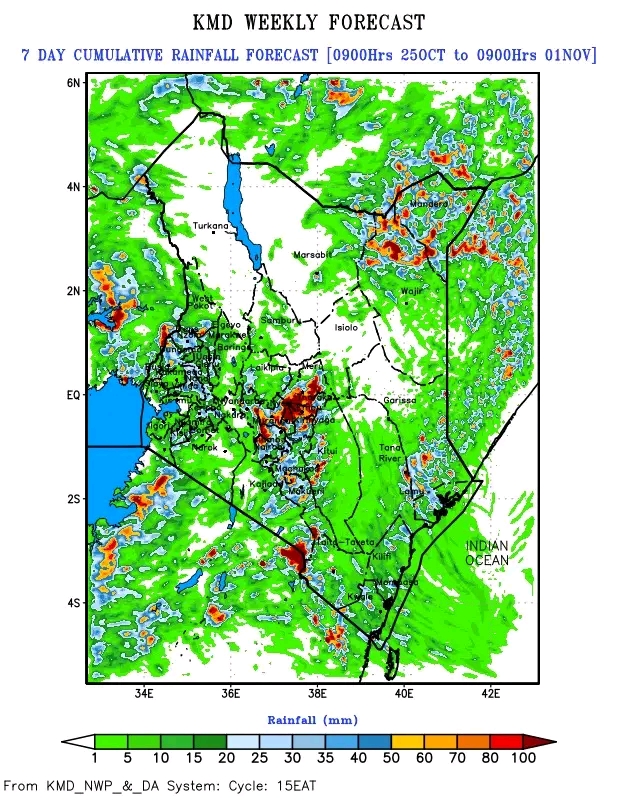
Kenya's latest published forecast available for this report points to rainfall across numerous counties, including areas in the Coast, North Eastern, Eastern, Central, Western, Nyanza and Rift Valley regions. Particular attention is warranted in Mandera, Wajir and parts of the coastal region, where
-
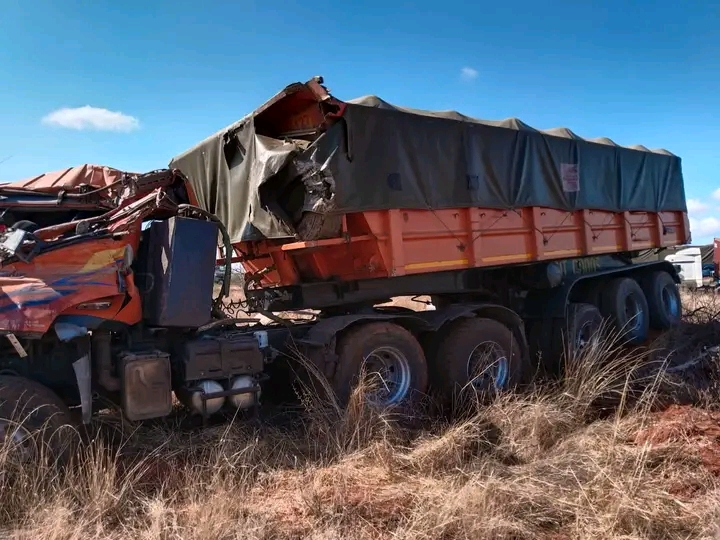
The commencement of post-mortem examinations for the 24 victims of the Mtito Andei road accident is a crucial step in the process of identifying the deceased, documenting the causes of death and facilitating burial arrangements. The tragedy occurred at Kanga along the Nairobi–Mombasa Highway on Oc
-
The discharge of 20 people from Ebola quarantine on 26 October 2026 marks an important step in Kenya’s efforts to contain the Bundibugyo virus disease outbreak. The individuals completed the mandatory 21-day monitoring period without symptoms and were released after health assessments. However, 9
-
KeNHA Chairperson Winfrida Ngumi has praised President William Ruto for launching the Kandwia–Kyuso and Kyuso–Tseikuru B52 road projects.The projects are expected to improve connectivity and ease transportation across the region.Better roads could boost trade by making it easier for farmers and