Kalonzo Musyoka Rejects Calls to Join President Ruto Ahead of 2027 Elections
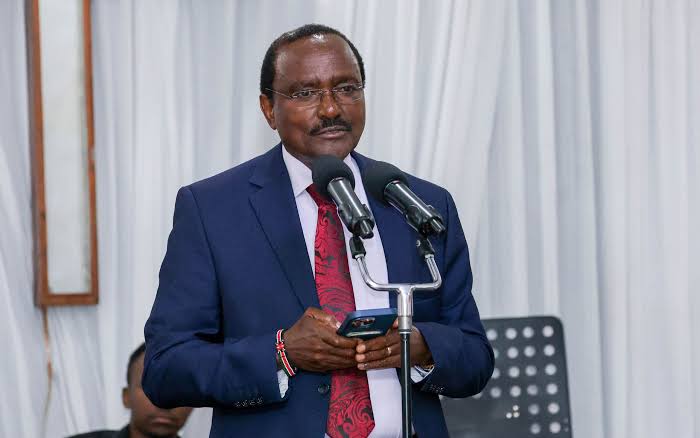
Wiper Patriotic Front leader Kalonzo Musyoka has rejected calls by Kenya Kwanza-allied leaders to join President William Ruto’s government ahead of the 2027 General Election. His position comes amid growing political negotiations and efforts to attract influential opposition figures into the ruling camp. Kalonzo’s decision has renewed debate about Ukambani’s political direction and its role in shaping the country’s next electoral contest. As political alliances continue to take shape, attention remains on the Wiper leader’s next political move and his relationship with other opposition leaders.
Wiper Patriotic Front leader Kalonzo Musyoka has dismissed calls from a section of Kenya Kwanza-allied leaders urging him to work with President William Ruto ahead of the 2027 General Election, maintaining his political position as discussions surrounding possible alliances continue to shape the country's political landscape.
The former Vice President's response comes amid growing efforts by leaders associated with the ruling administration to persuade opposition politicians, particularly those from the Ukambani region, to consider working with the government. The calls have sparked renewed debate about the direction of regional politics and the possibility of new political arrangements ahead of the next General Election.
Kalonzo has remained a significant political figure in the Ukambani region, where his Wiper Patriotic Front party enjoys considerable political influence. His political position is closely followed by leaders and supporters who view him as an important representative of the region's interests in national political discussions.
The latest calls for him to work with President Ruto have highlighted the growing political competition surrounding the Ukambani region, with different political formations seeking to establish stronger relationships with local leaders and communities.
Leaders allied to the Kenya Kwanza administration have been encouraging Kalonzo to reconsider his political approach and explore opportunities for cooperation with the government. They have argued that working with the President could create opportunities for the region to participate more directly in national development programmes and government decision-making.
However, Kalonzo's rejection of the proposal indicates that he is not ready to abandon his current political direction in response to pressure from leaders supporting the administration.
The debate comes at a time when political activities are gradually gaining momentum across the country, with politicians beginning to position themselves ahead of the 2027 General Election. Political parties are assessing possible alliances, strengthening their grassroots networks and engaging communities as they prepare for the next electoral contest.
For Kalonzo, the question of whether to work with the government or remain within the opposition political establishment carries significant implications for his political future and the position of his party in national politics.
His political influence in Ukambani has made him an important figure in conversations about the region's representation in government. The region, which comprises Machakos, Kitui and Makueni counties, remains an important political constituency whose leadership continues to attract attention from different political camps.
Over the years, Kalonzo has maintained a strong political presence in the region, participating in national political alliances and positioning himself as a key voice in discussions affecting the interests of the Kamba community.
His decision to reject the latest calls from Kenya Kwanza allies therefore adds another dimension to the political contest expected to unfold before the 2027 elections.
The political developments also reflect the wider competition between the ruling coalition and opposition leaders as both sides seek to expand their influence beyond their traditional political strongholds.
President Ruto's administration has continued to engage leaders from different parts of the country, with political cooperation and government partnerships featuring prominently in discussions about national development.
For leaders supporting the President, attracting influential opposition figures could strengthen the administration's political networks while providing an opportunity to build broader support ahead of the next elections.
On the other hand, opposition politicians have continued to emphasise the importance of maintaining independent political positions and holding the government accountable on issues affecting ordinary Kenyans.
Kalonzo's latest position is likely to keep the debate about the political direction of Ukambani in the spotlight, particularly as different leaders seek to establish their influence in the region.
The Wiper leader's political relationship with other opposition figures has also become an important subject in discussions about possible alliances ahead of 2027.
His association with opposition leaders, including former Deputy President Rigathi Gachagua, has attracted attention from politicians who believe that the next election could be shaped by new political partnerships.
Some leaders allied to the ruling administration have questioned the benefits of maintaining opposition alliances, arguing that closer cooperation with the government could provide the region with opportunities to advance its development priorities.
Nevertheless, Kalonzo's rejection of calls to join the President's political camp demonstrates that discussions about possible cooperation have not necessarily translated into an agreement.
The situation also places the spotlight on the political calculations facing regional leaders as they consider how best to pursue their interests within the country's changing political environment.
Across Kenya, political alliances have historically played a major role in determining the direction of election campaigns. Politicians have frequently formed partnerships based on shared interests, regional considerations and negotiations surrounding national leadership.
However, such arrangements have also experienced disagreements, with some leaders choosing to pursue independent political paths when their interests or expectations differ.
The 2027 General Election is expected to generate further political negotiations as parties seek to establish coalitions capable of attracting support from different regions.
For the ruling administration, building relationships with influential regional leaders remains an important part of its political strategy. For opposition parties, maintaining their political identity and strengthening their support networks will also be central to their preparations.
In Ukambani, the debate surrounding Kalonzo's political position is particularly significant because of his longstanding involvement in national politics and his influence within the region.
His decision will continue to attract attention from politicians, political observers and residents interested in how the region will be represented in the next government.
The latest developments also raise questions about the future of cooperation between opposition leaders as they consider their individual political ambitions and shared interests ahead of the elections.
While some politicians are advocating for broader cooperation with President Ruto, others continue to support an opposition approach that seeks to challenge the administration through alternative political arrangements.
The competing positions illustrate the different strategies being considered as the country gradually moves towards another election cycle.
For residents of Ukambani, the political debate is also connected to broader concerns about development, employment opportunities, infrastructure, education, healthcare and economic empowerment.
Many communities expect political leaders to prioritise practical solutions to everyday challenges rather than concentrate exclusively on political negotiations and election alliances.
As a result, the decisions made by influential politicians will be closely examined in relation to their potential impact on regional representation and development priorities.
Kalonzo's rejection of the calls to work with President Ruto has therefore kept the spotlight on his political direction and the broader question of how Ukambani leaders intend to position themselves ahead of 2027.
With the next General Election approaching, political parties and influential figures are expected to continue engaging in discussions about possible partnerships and strategies.
The coming months could provide further clarity on the political arrangements emerging across the country as leaders seek to consolidate their support bases.

You Might Also Like
-
DCP Deputy Party Leader Cleophas Malala has dismissed claims that he is being sidelined within the party, insisting that he remains confident in his leadership position. He has maintained that the growing influence of Nyandarua Senator John Methu does not threaten his role in the political outfit. H
-
Jubilee Party leader Fred Matiang’i has urged opposition leaders to embrace inclusivity as they pursue plans to form a united opposition ahead of the 2027 General Election. He has warned that sidelining certain political players could trigger internal disagreements, weaken the coalition and deepen
-
The funeral of Bernard Kiplangat Ngetich in Kipkelion became an important moment for leaders from Kericho County to raise concerns about insecurity and accountability within security institutions. Led by Senator Aaron Cheruiyot, the leaders demanded that the DCI investigate allegations that some of
-
Education Cabinet Secretary Julius Migos Ogamba has announced that 1,048,355 candidates are sitting the 2026 KCSE examinations, marking a historic milestone as the number surpasses one million for the first time in Kenya’s examination history. The candidature represents a 5.27% increase from the 9
-
Aden Duale's development engagements in Garissa, including presiding over the groundbreaking of the KMTC project and inspecting affordable housing developments, have placed healthcare education and decent accommodation at the centre of the county's development agenda. His condemnation of the heckli
-
The supervision of KCSE examination distribution by Education Cabinet Secretary Julius Migos Ogamba at Borabu Sub-County in Nyamira County marks an important moment as Kenya begins the 2026 main written national examinations. With 1,048,355 candidates registered, the country faces a major responsib