KCSE 2026 Candidate Numbers Surpass One Million for the First Time as 1,048,355 Sit National Examinations
Education Cabinet Secretary Julius Migos Ogamba has announced that 1,048,355 candidates are sitting the 2026 KCSE examinations, marking a historic milestone as the number surpasses one million for the first time in Kenya’s examination history. The candidature represents a 5.27% increase from the 995,860 candidates recorded in 2025, translating to an additional 52,495 learners. The growing numbers highlight the increasing participation in secondary education and the expanding responsibility facing the education sector. The milestone also places greater emphasis on examination preparedness, adequate learning facilities and the need to maintain integrity throughout the examination period. As candidates undertake their papers, attention remains on their performance and the opportunities awaiting them in universities, colleges and technical institutions. Parents, teachers and education stakeholders have been encouraged to support learners as they complete this important stage of their academic journey.
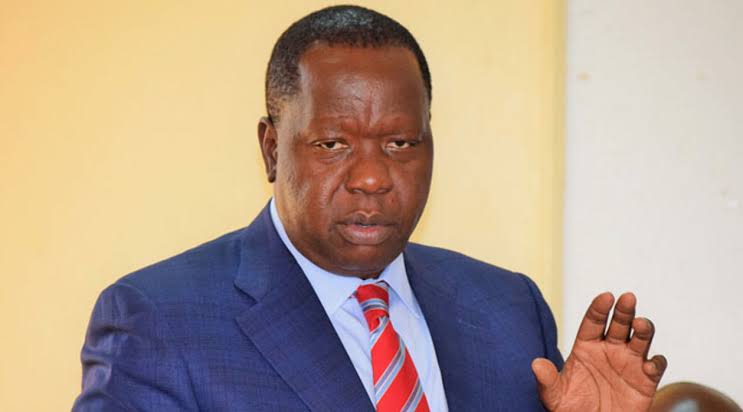
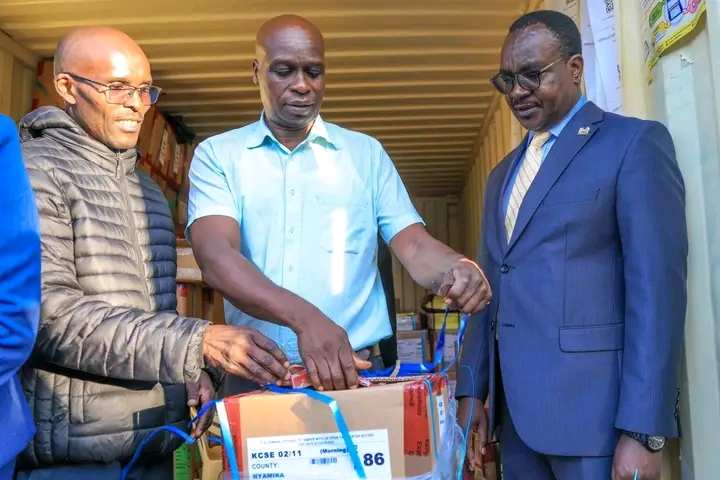
Education Cabinet Secretary Julius Migos Ogamba has announced that a total of 1,048,355 candidates are sitting the 2026 Kenya Certificate of Secondary Education (KCSE) examinations, marking a historic milestone as the number of candidates exceeds one million for the first time in the country's examination history.
The announcement represents a significant increase in the number of learners participating in the national examinations, reflecting the growing population of students completing secondary school education across the country.
According to the figures released by the Education Cabinet Secretary, the 2026 KCSE candidature has increased by 5.27 per cent compared to the previous year, when 995,860 candidates registered for the examinations.
The increase means that an additional 52,495 candidates are participating in this year's examinations compared to 2025, highlighting the growing number of learners progressing through the country's education system.
The milestone comes at a time when Kenya continues to implement changes in its education sector, with the government focusing on improving access to learning opportunities and strengthening the quality of education across primary and secondary schools.
The KCSE examination remains one of the most important assessments in Kenya's education system, providing learners with an opportunity to demonstrate the knowledge and skills acquired throughout their secondary school education.
For thousands of students, the examination represents the conclusion of several years of academic preparation and the beginning of another important stage in their educational and professional journeys.
The announcement of more than one million candidates also highlights the growing responsibility facing education stakeholders as they coordinate the administration of national examinations across the country.
Schools, teachers, examination officials and other relevant institutions play an important role in ensuring that candidates undertake their examinations in an organised and secure environment.
The increase in candidature requires adequate preparation and coordination to ensure that all registered learners are able to access examination centres and complete their papers under the required conditions.
The government, through the Ministry of Education and the relevant examination authorities, is expected to maintain the necessary arrangements to facilitate the smooth administration of the examinations.
The KCSE examinations are particularly important because their results are used to determine the academic qualifications of learners seeking admission to universities, colleges and other institutions of higher learning.
For many candidates, performing well in the examinations is an important step towards achieving their ambitions, whether in professional careers, technical training or further academic studies.
The results also provide an opportunity for learners to identify their academic strengths and determine the educational pathways they may wish to pursue after completing secondary school.
The growth in the number of candidates therefore reflects not only an increase in examination participation but also the importance of ensuring that the education system can accommodate the needs of a growing student population.
The rise from 995,860 candidates in 2025 to 1,048,355 in 2026 demonstrates the increasing scale of national examinations and the need for continued investment in educational infrastructure.
As more learners complete secondary education, institutions must continue strengthening their capacity to support students during their academic journeys.
This includes improving classroom facilities, ensuring adequate learning materials, supporting teachers and maintaining an environment that enables learners to acquire the necessary knowledge and competencies.
The increase in the number of KCSE candidates also brings attention to the importance of equal access to quality education across different regions of the country.
Learners in urban centres, rural communities and remote areas all depend on an education system that provides them with opportunities to complete their studies and participate in national examinations.
Ensuring that every candidate receives equal treatment during the examination period remains an important responsibility for education authorities.
The growing candidature also highlights the importance of maintaining examination integrity, particularly as the number of learners participating in the national assessment continues to rise.
National examinations are expected to provide a fair opportunity for students to demonstrate their abilities without interference, malpractice or unfair practices.
Parents and teachers also have an important responsibility in supporting candidates throughout the examination period. Their encouragement can help learners remain focused and approach their papers with confidence.
The examination period often comes with considerable expectations from families and communities, especially where students are preparing for opportunities in higher education. learners also need a supportive environment that allows them to concentrate on their examinations without unnecessary pressure.
Teachers, having guided candidates through different stages of their secondary school education, play a significant role in helping them prepare for the final assessment.
Their contribution extends beyond classroom instruction to include academic guidance, revision support and encouragement during the examination period.
The increase in the number of candidates also demonstrates the importance of continued collaboration between schools, parents, education officials and communities in supporting learners.
Beyond the examinations themselves, the government and education stakeholders face the responsibility of ensuring that candidates have opportunities to continue their education after completing secondary school.
Universities, technical and vocational education institutions, colleges and other training centres remain important destinations for students seeking to advance their academic and professional qualifications.
The transition from secondary school to higher education is an important stage because it allows learners to develop specialised skills and prepare for different employment opportunities.
As the number of students completing secondary education grows, the country must continue expanding opportunities for further learning and skills development.
Technical and vocational training also remains an important pathway for students interested in acquiring practical skills that can support entrepreneurship and employment.
The education sector therefore needs to maintain a strong connection between academic qualifications, technical training and the demands of the labour market.
The record number of candidates sitting the 2026 KCSE examinations presents an opportunity to reflect on the progress made in expanding access to secondary education and the work required to support future generations of learners.
The 5.27 per cent increase compared to the previous year provides a clear indication of the changing scale of national examinations.
It also places additional responsibility on institutions involved in the administration, marking and release of examination results.
As the examinations progress, candidates are expected to remain disciplined, follow the instructions provided by examination officials and concentrate on completing their papers.
Parents and guardians have also been encouraged to continue offering the necessary support while allowing learners to undertake their examinations without unnecessary distractions.
The government has a responsibility to ensure that the examination process remains credible and that all candidates are provided with a fair environment in which to demonstrate their academic abilities.
For the candidates, the examinations represent an important opportunity to translate years of learning, commitment and preparation into academic results that can help shape their future ambitions.
The record candidature also reflects the collective efforts of families, teachers and education institutions that have supported learners throughout their secondary school journeys.
As Kenya continues strengthening its education system, the growing number of students completing secondary education will remain an important consideration in planning for infrastructure, teacher availability and opportunities for higher learning.
The announcement by Education Cabinet Secretary Julius Migos Ogamba has therefore placed the 2026 KCSE examinations at the centre of national attention, with more than one million learners participating in the country's major secondary school assessment for the first time.
With 1,048,355 candidates registered compared to 995,860 in 2025, this year's examination marks a notable increase in participation and a new milestone in the country's education history.
The focus now remains on ensuring that all candidates complete their examinations successfully, with the relevant authorities maintaining the required standards throughout the process.
For the more than one million learners taking part, the KCSE examinations represent an important moment in their academic journeys and an opportunity to prepare for the next chapter of their lives.

You Might Also Like
-
DCP Deputy Party Leader Cleophas Malala has dismissed claims that he is being sidelined within the party, insisting that he remains confident in his leadership position. He has maintained that the growing influence of Nyandarua Senator John Methu does not threaten his role in the political outfit. H
-
Jubilee Party leader Fred Matiang’i has urged opposition leaders to embrace inclusivity as they pursue plans to form a united opposition ahead of the 2027 General Election. He has warned that sidelining certain political players could trigger internal disagreements, weaken the coalition and deepen
-
The funeral of Bernard Kiplangat Ngetich in Kipkelion became an important moment for leaders from Kericho County to raise concerns about insecurity and accountability within security institutions. Led by Senator Aaron Cheruiyot, the leaders demanded that the DCI investigate allegations that some of
-
Aden Duale's development engagements in Garissa, including presiding over the groundbreaking of the KMTC project and inspecting affordable housing developments, have placed healthcare education and decent accommodation at the centre of the county's development agenda. His condemnation of the heckli
-
The supervision of KCSE examination distribution by Education Cabinet Secretary Julius Migos Ogamba at Borabu Sub-County in Nyamira County marks an important moment as Kenya begins the 2026 main written national examinations. With 1,048,355 candidates registered, the country faces a major responsib
-
His warning against examination irregularities sends a strong message to parents, teachers and individuals who attempt to exploit candidates by promising leaked examination papers. He has maintained that the government will not tolerate activities that threaten the future of learners or undermine t