KDF Announces Biometric Verification for Shortlisted Applicants in December 2026 Recruitment
The Kenya Defence Forces (KDF) has announced that candidates shortlisted for the December 2026 recruitment exercise will not be issued with physical calling letters. Instead, applicants will undergo biometric verification to confirm their identities when reporting for the recruitment process. The clarification is aimed at ensuring candidates understand the identification procedure and avoid confusion over the documentation required. KDF has also urged members of the public to report any incidents of bribery, warning against individuals who may attempt to exploit job seekers by demanding money in exchange for recruitment opportunities. Applicants have been advised to rely on official military communication, follow the prescribed recruitment procedures and remain cautious of fraudsters promising to influence the selection process. The announcement reinforces the importance of transparency, accountability and fairness as the military prepares to conduct the December 2026 recruitment exercise.
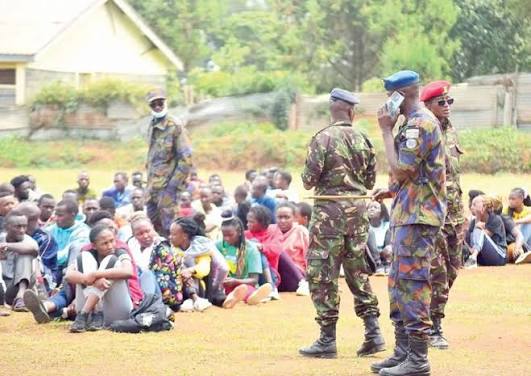
The Kenya Defence Forces (KDF) has announced a change in the verification process for candidates shortlisted to participate in the December 2026 recruitment exercise, confirming that applicants will not be issued with physical calling letters.
Instead, the shortlisted candidates will be identified through biometric verification, a process that will be used to confirm their identities before they proceed with the recruitment exercise. The announcement is intended to clarify how applicants will be recognised and help prevent confusion as candidates prepare to attend the recruitment activities.
The move means that applicants will not need to wait for or present physical invitation letters as proof that they have been shortlisted. Their identities will instead be established through the biometric verification procedure provided by the military.
Biometric identification uses unique physical characteristics to confirm a person's identity. Depending on the system being used, this may involve fingerprint scanning or other approved identification methods. Such systems are commonly applied in identity management because they can help distinguish genuine applicants from individuals attempting to impersonate others.
For the December recruitment exercise, the approach is expected to provide an alternative means of confirming the identities of shortlisted candidates. It also places emphasis on applicants ensuring that the personal information they provided during the application process is accurate and consistent with their official identification documents.
The announcement comes as prospective recruits prepare for the exercise, which is expected to attract interest from young Kenyans seeking opportunities to serve in the country's military.
KDF recruitment exercises generally draw large numbers of applicants from different parts of the country. The opportunity to join the military is highly sought after, with candidates hoping to meet the required standards and secure a place in the defence forces.
With many people expected to follow the recruitment process, clear communication from the military is important in ensuring that applicants understand the procedures they are required to follow. The clarification on physical calling letters is therefore particularly important for candidates who may otherwise expect to receive formal invitations before reporting for verification.
Applicants are expected to rely on official communication from the Kenya Defence Forces when confirming their recruitment status and understanding the requirements for participation. They should avoid depending on information circulated through unofficial channels, particularly where such information involves requests for money or promises of guaranteed recruitment.
The military has also urged members of the public to report any cases of bribery associated with the recruitment exercise. The warning is intended to discourage individuals who may attempt to exploit job seekers by demanding money in exchange for assistance with securing recruitment opportunities.
The warning against bribery is significant because recruitment opportunities often attract individuals who may take advantage of desperate applicants. Some unscrupulous people may approach candidates or their families claiming to have connections within the military and promising to influence the selection process in exchange for payment.
Such individuals may use false assurances to convince applicants that paying money will improve their chances of being selected. Others may claim that they can secure shortlisted status, influence medical examinations or guarantee successful completion of the recruitment process.
The public has therefore been urged to remain vigilant and report any suspicious activities involving demands for money or other forms of inducement. Applicants should understand that paying bribes does not provide a legitimate route into the Kenya Defence Forces and could expose them to financial exploitation.
The announcement also serves as a reminder that recruitment should be conducted through the established procedures rather than private arrangements with individuals claiming to represent the military. Candidates should be cautious when dealing with anyone who promises to influence recruitment decisions or offers assistance in exchange for payment.
For young people hoping to join the military, the warning is particularly important because the excitement surrounding recruitment can make applicants vulnerable to misleading information. Some may be tempted to believe that they need to pay someone to secure an opportunity, especially when faced with competition from thousands of other candidates.
However, applicants are encouraged to follow the official recruitment guidelines and avoid engaging in transactions with individuals claiming to have special access to recruitment officials. Any suspected bribery or fraudulent activity should be reported through appropriate official channels.
The use of biometric verification also places responsibility on applicants to ensure that they personally participate in the identification process. Since biometric information is linked to an individual's unique physical characteristics, candidates should not allow other people to attempt verification on their behalf.
This measure could help reduce cases of impersonation, where an individual attempts to attend recruitment activities using another person's identity. It may also strengthen the process of confirming that the people reporting for recruitment are the same individuals who were shortlisted.
Identity verification is an important part of recruitment, particularly for an institution such as the military, where integrity, discipline and accountability are essential. Establishing the identity of each applicant helps ensure that recruitment activities are conducted in an orderly manner.
The decision not to issue physical calling letters also means that candidates should pay close attention to official announcements regarding the recruitment process. They should not assume that the absence of a physical letter means they have been excluded, especially where the military has clarified that biometric identification will be used instead.
Applicants should also avoid relying on documents or messages obtained from unofficial sources as confirmation of their recruitment status. Fraudsters may take advantage of uncertainty by producing fake calling letters or sending misleading messages designed to convince candidates that they have secured a place in the exercise.
The military's clarification is therefore expected to help candidates understand the identification procedure and reduce opportunities for confusion and exploitation. It also reinforces the importance of obtaining recruitment information directly from authorised KDF communication channels.
The December 2026 recruitment exercise comes amid continued interest in military service among young Kenyans. Joining the defence forces is viewed by many as an opportunity to serve the country while pursuing a career within a disciplined national institution.
However, the selection process requires applicants to follow the stipulated procedures and meet the relevant recruitment requirements. Being shortlisted should not automatically be interpreted as a guarantee of final admission, as candidates must still undergo the necessary stages of assessment and verification.
The biometric system will serve as an identity confirmation measure, while the recruitment process will continue to be guided by the applicable military requirements. Candidates should therefore prepare themselves appropriately and ensure they comply with all official instructions.
The public has also been encouraged to play a role in protecting the integrity of the exercise by sharing credible information about suspected bribery. Reporting fraudulent activities can help authorities identify individuals attempting to interfere with recruitment and protect applicants from losing money to dishonest operators.
Families and community members can also help by discouraging candidates from paying anyone who claims to have the power to influence recruitment outcomes. Young people seeking to join the military should be reminded that legitimate opportunities must be pursued through official procedures.
As the December exercise approaches, the announcement is expected to guide shortlisted candidates on how they will be identified when they report for recruitment. The absence of physical calling letters marks an important clarification for applicants who may have been uncertain about the documentation required.
The KDF's warning against bribery further highlights the need for transparency and fairness throughout the exercise. Ensuring that candidates are identified correctly and that attempts to solicit money are reported will be important in maintaining public confidence in the recruitment process.
Applicants are consequently advised to remain alert, follow official communication and avoid anyone demanding payment in exchange for recruitment assistance. The public is equally encouraged to report suspected bribery so that the exercise can proceed without interference from fraudsters.
The December 2026 recruitment will provide an opportunity for eligible Kenyans seeking to join the military, but candidates must remain guided by the official procedures and understand that no individual should demand money to secure them a position.

You Might Also Like
-
**HEADLINE:** IEBC CHAIRPERSON ETHEKON QUESTIONS PRACTICALITY AND COST OF LIVESTREAMING RESULTS FROM 50,000 POLLING STATIONS **NEWS ARTICLE:** Independent Electoral and Boundaries Commission (IEBC) Chairperson Erastus Ethekon has questioned the practicality of livestreaming electoral activi
-
The meeting convened by Interior Cabinet Secretary Kipchumba Murkomen, attended by PS Raymond Omollo, IG Douglas Kanja, DIG Eliud Lagat, DIG Gilbert Masengeli and leaders from Isiolo and Garissa, marks an important government intervention following the recent deadly inter-community clashes. The eig
-
Football Kenya Federation (FKF) has partnered with the Kenya Red Cross Society in an agreement valued at approximately KSh54 million aimed at strengthening medical preparedness and emergency response across Kenyan football. The collaboration seeks to improve the safety and welfare of players, coache
-
President William Ruto has announced an increase in Hustler Fund borrowing limits for approximately 4.5 million Kenyans who have demonstrated responsible repayment behaviour. The move is aimed at expanding access to affordable credit, supporting small-scale traders and entrepreneurs, and strengtheni
-
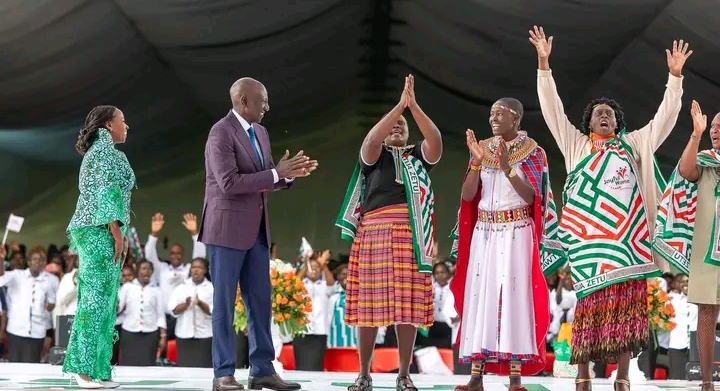
The 17th anniversary celebrations of Joyful Women Organization at State House on November 24, 2026, mark an important chapter in Kenya's efforts to promote women's economic independence. With President William Ruto leading the celebrations, the occasion recognises an organisation that began with app
-
By combining KIMC's expertise in media and communication with TSC's responsibility for teacher development, the initiative seeks to prepare educators for emerging learning areas under the Competency-Based Education curriculum. The training in Media Technology, Theatre and Film, Creative Arts, Music