



KeNHA DIG Inspects Rironi–Mau Summit Road as Sh200 Billion Highway Project Races Toward 2027 Completion
The inspection of the Rironi–Mau Summit highway by KeNHA leadership comes at a critical stage in the construction of one of Kenya's largest road projects. The highway is expected to transform the movement of people and goods between Nairobi, the Rift Valley and western Kenya by increasing road capacity, reducing congestion and improving safety. The immediate focus is on completing sections that are already advanced and opening them to motorists while construction continues elsewhere. The government has set October 30, 2026, as the target for opening the Rironi–Naivasha section, while the wider corridor is expected to be completed by June 2027. If the timelines are achieved, the Rironi–Mau Summit highway could significantly improve one of Kenya's most important transport routes. The success of the project, however, will depend on continued supervision by KeNHA, timely financing, effective coordination with contractors and proper engagement with communities affected by the construction.
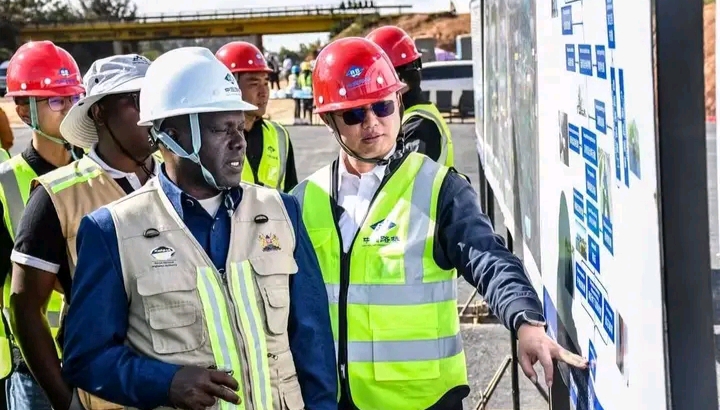
The Kenya National Highways Authority (KeNHA) has continued to intensify supervision of the multi-billion-shilling Rironi–Mau Summit highway project as construction progresses along one of Kenya’s most important transport corridors. The inspection of the project by KeNHA leadership comes as the government pushes to accelerate construction and deliver key sections of the highway within the set timelines.
The Rironi–Mau Summit road is a major infrastructure project intended to transform transport between Nairobi, Kiambu, Nakuru, the Rift Valley and western Kenya. The 233-kilometre corridor is being upgraded in phases, with the wider project expected to improve traffic flow, reduce travel time and strengthen the movement of passengers and cargo.
The project has attracted significant attention because the existing Nairobi-Nakuru highway is one of the busiest routes in the country. Heavy trucks, public service vehicles, private motorists and long-distance buses use the corridor every day. Congestion, particularly around Rironi, the escarpment, Naivasha and other sections, has for years caused delays for motorists and increased transportation costs.
KeNHA leadership checks progress
KeNHA has been closely monitoring the construction works to ensure that contractors remain on schedule and that the project meets the required technical standards. In an earlier inspection, KeNHA's Board of Directors, led by its chairperson Winfrida Ngumi, assessed priority sections of the 233-kilometre corridor and received updates on design and construction progress. KeNHA Director General Luka Kimeli also provided an update on the progress being made by contractors.
The inspection highlighted the importance of concentrating resources on sections experiencing serious traffic bottlenecks. At Rironi, for example, the China Road and Bridge Corporation (CRBC) has been working on the initial stretch around Kamandura, where the existing road is being expanded into a four-lane dual carriageway.
Another major area of focus is the steep escarpment section. Construction activities there include substantial earthworks, cutting of hillsides and installation of gabions and retaining structures. Dedicated climbing lanes are also part of the works, with the aim of separating slow-moving heavy trucks from other motorists on steep sections.
A project designed to ease congestion
The main objective of the Rironi–Mau Summit project is to increase road capacity along the busy northern transport corridor.
For many years, motorists travelling from Nairobi towards Nakuru and western Kenya have faced severe traffic congestion, especially during peak periods, weekends and holidays. Trucks carrying goods from the Port of Mombasa to Uganda, Rwanda, South Sudan and other parts of the region also rely heavily on the route.
Once the project is completed, the expanded highway is expected to provide additional lanes and improve the movement of vehicles. KeNHA has said the project is designed to reduce congestion, improve road safety, lower travel time and reduce vehicle operating costs.
The road is therefore not simply a local infrastructure project. It forms part of the wider Northern Corridor, which is critical to Kenya's economy and regional trade.
Different sections under construction
The Rironi–Mau Summit project has been divided into several sections to allow construction to proceed simultaneously.
The major components include the Rironi–Naivasha–Gilgil section, the Rironi–Mai Mahiu–Naivasha section and the Gilgil–Nakuru–Mau Summit section. The different sections have different construction requirements because of variations in terrain, traffic volumes and existing road conditions.
The Rironi–Naivasha section has received particular attention because of its importance in easing congestion between Nairobi and Naivasha. Government officials have indicated that the section is being fast-tracked so that completed portions can be opened to motorists while construction continues on other parts of the corridor.
Roads Cabinet Secretary Davis Chirchir has said the Rironi–Naivasha section is expected to be opened to traffic by October 30, 2026, while the broader corridor has a target completion date of June 2027.
Progress reported by contractors
Construction companies working on the project have reported progress in different sections.
According to updates reported earlier, the CRBC section had reached about 15 percent while the section being handled by Shandong Hi-Speed was around 10 percent during the July assessment. KeNHA leadership said the works were progressing and expressed optimism that the overall project would meet its June 2027 completion target.
More recent updates have shown accelerated activity, particularly around the Rironi–Naivasha section. A report by the Kenya News Agency indicated that the contractor expected to complete tarmacking of the Rironi–Naivasha section by December 2026. The contractor also reported substantial progress on that section.
This acceleration is important because opening completed sections early would allow motorists to benefit before the entire 233-kilometre project is finished.
Safety remains a major priority
Road safety is another major reason for the expansion.
The current Nairobi-Nakuru highway has experienced numerous accidents, with some occurring on steep sections where heavy trucks struggle to maintain speed. The introduction of additional lanes, climbing lanes, improved road geometry and better infrastructure is expected to improve safety.
The escarpment section is particularly challenging because of its steep terrain. The installation of retaining walls and other engineering structures is intended to provide stability while enabling the road to accommodate increased traffic volumes.
The new highway is also expected to improve traffic separation, making it easier for motorists travelling at different speeds to use the road safely.
Economic benefits
The Rironi–Mau Summit road is expected to have a significant impact on businesses along the corridor.
Improved roads generally make it easier and faster for farmers, manufacturers, traders and transport companies to move goods to markets. Businesses in towns such as Naivasha, Gilgil and Nakuru are expected to benefit from improved connectivity.
The project has also created employment opportunities for skilled and unskilled workers. Local businesses operating along the construction corridor have benefited from increased demand for accommodation, food, transport and other services.
For Kenya's regional trade, the benefits could be even greater. Faster movement of cargo from Mombasa through Nairobi and towards western Kenya and neighbouring countries would help reduce delays and transportation costs.
Environmental and community concerns
The project has also involved environmental and social considerations.
KeNHA has been working with various agencies and stakeholders to address concerns arising from construction. The authority recently launched a Grievance Redress Mechanism for the Rironi-Gilgil section to provide structured channels through which affected communities and other stakeholders can raise complaints.
Issues expected to be handled include land acquisition, compensation and the proposed tolling arrangements.
KeNHA has also indicated plans for environmental restoration along the highway. Earlier reports stated that the authority planned to plant thousands of trees along the corridor following the removal of some vegetation to facilitate road construction.
The involvement of affected communities is important because major road projects can disrupt businesses, homes and other activities along construction routes. Effective compensation and communication can help reduce conflicts and ensure that construction proceeds smoothly.
Tolling debate
The financing structure of the road has also generated public debate.
The project is being implemented under a Public-Private Partnership arrangement. The arrangement allows private-sector participation in financing and construction while the facility is operated for a specified period before eventually reverting to the government.
Some motorists and petitioners have raised concerns about proposed toll charges, arguing that motorists already contribute to road maintenance through taxation and fuel-related levies. The debate over tolling has therefore become an important part of the wider discussion surrounding the highway project.
Government officials, however, have maintained that the PPP model provides a mechanism for financing major infrastructure projects without placing the entire financial burden on the government at once.
What the inspection means
The inspection by KeNHA leadership is significant because it demonstrates the authority's continued focus on monitoring the project rather than leaving construction entirely to contractors.
Regular inspections allow engineers and officials to identify challenges, assess the quality of work and determine whether contractors are meeting agreed timelines. They also provide an opportunity to address technical and environmental issues before they become major obstacles.
With the government targeting June 2027 for completion of the wider corridor, close supervision will be necessary to ensure that delays do not undermine the project.

You Might Also Like
-
Former President Uhuru Kenyatta steps down as Azimio council chair, with James Orengo and Rigathi Gachagua emerging in discussions over the coalition’s future leadership.
-
Kenya's Ebola response has entered a critical surveillance and contact-tracing phase following confirmation of the country's first imported Bundibugyo Ebola case. PS Mary Muthoni says 57 contacts have been identified, with 10 already placed under quarantine, while health officers across the country
-
Deputy President Kithure Kindiki's appearance at Jamhuri Park on October 7 placed agriculture and food security at the centre of the national economic transformation conversation. He outlined government figures on farmer registration, fertiliser prices, livestock vaccination, milk production, meat e
-
A passenger travelling aboard a Kenya Airways flight from Nairobi to Lagos, Nigeria, has died after suffering a medical emergency shortly before the aircraft landed at Murtala Muhammed International Airport. The passenger reportedly became unresponsive about 20 minutes before landing, prompting cabi
-
NCIC's latest actions against CS Geoffrey Ruku and its handling of nominated MP Joseph Wainaina Iraya underline the commission's growing focus on political language and national cohesion ahead of the 2027 elections. Ruku has been directed to stop repeating remarks that NCIC found divisive, respond w
-
President William Ruto says Raila Odinga’s mausoleum at Kang’o Ka Jaramogi honours his contribution to Kenya’s democratic journey and will help preserve his legacy for future generations.