Kenya braces for heavy rainfall as meteorological department issues seven-day weather alert
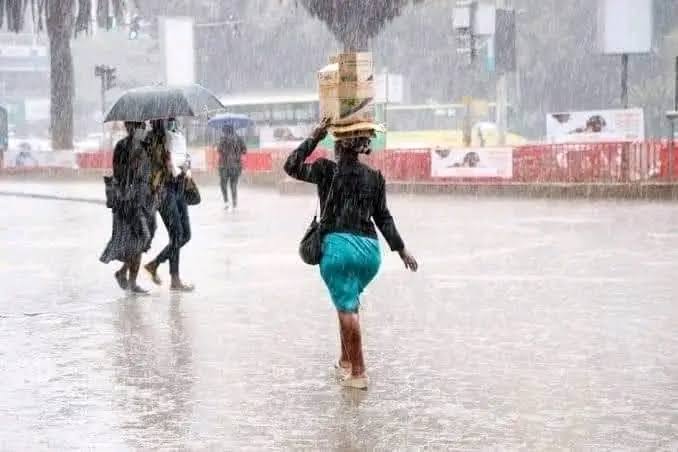
Heavy rainfall is expected across several parts of Kenya over the next seven days, with isolated areas likely to record cumulative rainfall amounts exceeding 120mm. The Kenya Meteorological Services Authority has warned that the rainfall will affect the Highlands East and West of the Rift Valley, Lake Victoria Basin, Rift Valley, Southeastern Lowlands, Coastal region, Northeastern and Northwestern parts of the country. The weather forecast covering November 10 to 16, 2026, highlights the possibility of significant rainfall in different regions, raising the need for residents to remain alert and take necessary precautions. While the expected showers could benefit farmers, improve pasture conditions and replenish water sources, heavy downpours may also increase the risk of flooding, waterlogging and disruption of transport. Motorists are encouraged to exercise caution, particularly when driving through areas experiencing heavy rainfall, while residents in flood-prone locations should remain vigilant and avoid crossing flooded rivers and roads. Farmers are also advised to monitor conditions on their farms and take appropriate measures to protect crops and livestock from excessive water. The forecast calls on Kenyans to remain updated on changing weather conditions throughout the week and follow official advisories as rainfall patterns develop across the country.
Several parts of Kenya are expected to experience heavy rainfall over the next seven days, with isolated areas likely to receive cumulative rainfall amounts exceeding 120 millimetres. The forecast has raised the possibility of challenging weather conditions across different regions of the country, prompting the need for increased awareness and preparedness among residents.
The Kenya Meteorological Services Authority has indicated that rainfall will affect a wide range of regions between November 10 and November 16, 2026. The areas expected to experience rainfall include the Highlands East and West of the Rift Valley, the Lake Victoria Basin, the Rift Valley, Southeastern Lowlands, Coastal region, Northeastern and Northwestern parts of the country.
The forecast suggests that rainfall will not be limited to one particular section of the country, but will extend across several geographical zones. Some locations may experience heavier amounts than others, with isolated areas expected to record more than 120 millimetres of cumulative rainfall during the forecast period.
The expected rainfall comes at a time when weather conditions remain an important consideration for households, farmers, businesses, transport operators and communities whose daily activities are influenced by changing weather patterns. Heavy rainfall can affect movement, agriculture, access to essential services and other economic activities, particularly in areas that experience persistent downpours.
Residents in the affected regions are therefore encouraged to remain attentive to changing weather conditions throughout the seven-day period. Although rainfall distribution may vary from one location to another, the possibility of significant amounts of precipitation means that communities should take the necessary precautions and avoid assuming that conditions will remain the same throughout the week.
The Highlands East and West of the Rift Valley are among the regions expected to receive rainfall. These areas include several communities where farming is a major economic activity and where weather conditions influence agricultural production. Rainfall is an important resource for crop development, livestock production and replenishment of water sources. However, when rainfall becomes excessive, it can also create difficulties for farmers and households.
Farmers in these regions may need to monitor their farms closely, particularly in locations where heavy showers could affect agricultural activities. Excessive rainfall can lead to waterlogging, interfere with farm operations and make it difficult to access certain agricultural areas. Those involved in crop production may also need to pay attention to drainage around their farms to prevent the accumulation of excess water.
The Lake Victoria Basin is also expected to experience rainfall during the forecast period. Communities within this region rely on agriculture, fishing, trade and other activities that can be affected by weather conditions. Heavy rainfall may influence movement within rural and urban settlements, especially where drainage systems are inadequate or roads become difficult to navigate during prolonged showers.
People living near rivers, streams and other water bodies are encouraged to remain cautious when rainfall intensifies. Water levels can rise following heavy precipitation, potentially affecting areas located close to waterways. Residents should avoid crossing flooded rivers or attempting to walk or drive through moving floodwaters, as the depth and strength of the water may be difficult to determine.
The Rift Valley region is another area expected to receive rainfall over the coming week. The region covers different landscapes and settlements, meaning that the effects of rainfall may vary depending on local conditions. While some communities may benefit from improved water availability and favourable conditions for farming, others could experience challenges associated with excessive precipitation.
In areas where roads are vulnerable to damage during heavy rainfall, transport activities may be affected. Sections of unpaved roads can become muddy, slippery or difficult to access, potentially slowing down the movement of people and goods. Motorists are encouraged to exercise caution, maintain safe distances and adjust their speed whenever road conditions deteriorate.
Public transport operators and other road users may also need to consider the possibility of delays, particularly in areas where rainfall becomes persistent. Visibility can reduce during heavy showers, making it more difficult for drivers to identify obstacles and respond to changing road conditions. Drivers should ensure that their vehicles are in good condition and that essential safety equipment, including functional headlights, wipers and brakes, is properly maintained.
The Southeastern Lowlands have also been included in the forecast. Rainfall in this region could provide relief to communities that depend on seasonal precipitation for farming and other economic activities. Water availability is particularly important for households and livestock keepers in areas where access to reliable water sources can be challenging.
However, the possibility of heavy rainfall also calls for caution among residents. Areas with poor drainage may experience temporary flooding, while low-lying settlements could be exposed to the effects of water accumulation. Households are encouraged to keep drainage channels clear and ensure that rainwater can flow away from residential compounds without causing unnecessary damage.
The Coastal region is also expected to receive rainfall between November 10 and November 16. Weather conditions along the coast can influence several activities, including transport, tourism, fishing, farming and business operations. Heavy showers may affect movement in some locations and create temporary disruptions to outdoor activities.
Residents and visitors in coastal areas should remain aware of changing weather conditions, especially when undertaking activities near the ocean or other water bodies. Those involved in fishing and marine-related activities should pay attention to prevailing conditions and exercise caution whenever rainfall is accompanied by poor visibility or other challenging weather conditions.
The Northeastern and Northwestern regions are equally included in the rainfall outlook. These areas have communities that depend on livestock keeping, trade and other economic activities that are sensitive to weather patterns. Rainfall may provide important benefits by improving pasture conditions, supporting livestock production and replenishing water sources.
For pastoralist communities, improved rainfall can contribute to better access to water and grazing resources. Livestock keepers may benefit from increased pasture availability, particularly in areas that have experienced limited vegetation. Nevertheless, heavy rainfall can also create challenges, including difficulties moving animals, muddy grazing areas and possible flooding in low-lying locations.
Communities in these regions are encouraged to monitor local conditions and take precautions where rainfall becomes intense. Livestock owners may need to identify safer areas for their animals, particularly in locations exposed to flooding or poor drainage. Protecting livestock shelters and ensuring that animals have access to secure grazing and resting areas may also help reduce potential losses.
The expected rainfall could have mixed effects on different sectors of the economy. Agriculture stands out as one of the areas likely to experience both benefits and challenges. Adequate rainfall is essential for crop growth, pasture development and water replenishment. Farmers who receive sufficient rainfall may benefit from improved soil moisture and better conditions for certain agricultural activities.
At the same time, excessive precipitation can damage crops, cause soil erosion and interfere with harvesting and transportation. Farmers are therefore encouraged to assess conditions on their farms and take appropriate steps to protect their crops. Maintaining proper drainage, monitoring water levels and avoiding unnecessary movement through waterlogged fields can help reduce the impact of excessive rainfall.
Water resources may also benefit from the expected precipitation. Rivers, dams, reservoirs and other water sources can receive additional inflows, supporting domestic consumption, irrigation and livestock production. Improved water availability can be particularly important for communities that depend on seasonal rainfall to replenish their supplies.
However, the management of water resources remains important during periods of heavy rainfall. Residents should avoid contaminating water sources and ensure that drinking water is stored safely. Floodwater may carry dirt, waste and other contaminants into rivers and wells, increasing the importance of proper water treatment and hygiene practices.
Urban and densely populated settlements may face additional challenges where drainage infrastructure is unable to handle large volumes of rainwater. Blocked drainage channels, poor waste disposal practices and construction in vulnerable areas can contribute to flooding during heavy downpours. Local communities can help reduce these risks by keeping drainage systems free of waste and reporting blocked channels where necessary.
Households are also encouraged to take basic precautions to protect property and maintain safety. Residents should inspect roofs, gutters and drainage systems to identify possible weaknesses before rainfall intensifies. Important household items and documents should be kept in safe locations, especially in homes situated in areas that are prone to flooding.
People living in flood-prone areas should remain alert to changes in water levels and avoid waiting until conditions become dangerous before taking precautions. Where water begins entering homes or residential compounds, families should prioritise their safety and seek safer locations when necessary.
The forecast also highlights the importance of continued attention to local weather updates. Rainfall patterns can change across different locations, and the amount received in one area may not necessarily reflect conditions in neighbouring communities. Residents are therefore encouraged to follow official weather communication and pay attention to any additional advisories issued during the forecast period.
Schools, businesses and public institutions may also need to consider the possible effects of heavy rainfall on their daily operations. Where roads become difficult to access, movement could be disrupted, particularly for learners and workers who depend on public transport or walk long distances. Institutions should remain mindful of local weather conditions when planning outdoor activities and other operations.
Emergency preparedness is equally important for communities exposed to flooding and other rainfall-related risks. Local authorities and relevant agencies may need to remain alert to emerging situations, particularly in locations where heavy rainfall could affect roads, bridges, homes and public infrastructure.
Residents are encouraged to work together in identifying potential risks within their communities. Sharing reliable weather information, assisting vulnerable households and avoiding dangerous routes during heavy rainfall can contribute to improved safety. Community awareness is particularly important in areas where flooding may develop quickly following intense precipitation.
The seven-day forecast covering November 10 to November 16, 2026, therefore serves as an important reminder for Kenyans to remain prepared for changing weather conditions. With rainfall expected across the Highlands East and West of the Rift Valley, Lake Victoria Basin, Rift Valley, Southeastern Lowlands, Coastal region, Northeastern and Northwestern areas, communities in different parts of the country may experience varying levels of precipitation.

You Might Also Like
-
A 65-year-old man has been sentenced to life imprisonment after being convicted of defiling an 11-year-old girl in Kone Village, Tana River County, in an incident that occurred last year. The court's decision highlights the serious legal consequences of sexual offences against children and the impor
-
Director of Public Prosecutions Renson Ingonga has called for greater use of alternatives to prosecution to help address the growing challenge of case backlogs and improve the efficiency of Kenya’s justice system. The move seeks to encourage the resolution of suitable cases through lawful alternat
-
The United States has tightened international air travel restrictions in response to the ongoing Ebola outbreak, introducing tougher measures targeting travellers who have recently visited the Democratic Republic of Congo (DRC). Under the new directive, individuals who have been in the DRC within th
-
Eight people, including five engineers, two Kenya Police Reservists and a driver, have been killed in a deadly morning ambush by unidentified gunmen along the Mandera-Arabia-Lafey road in Mandera County. The attackers reportedly targeted a security vehicle escorting workers involved in an ongoing ro
-
Deputy President Kithure Kindiki has challenged former senior government officials to account for their development record, questioning why they are now criticising the current administration despite having previously held influential positions in government. Kindiki argued that some of the leaders
-
Kenya's strengthened cooperation with the World Health Organization represents an important step towards containing the Bundibugyo Ebola virus and protecting the population from further infections. Through joint efforts in disease surveillance, contact tracing, laboratory testing, healthcare worker