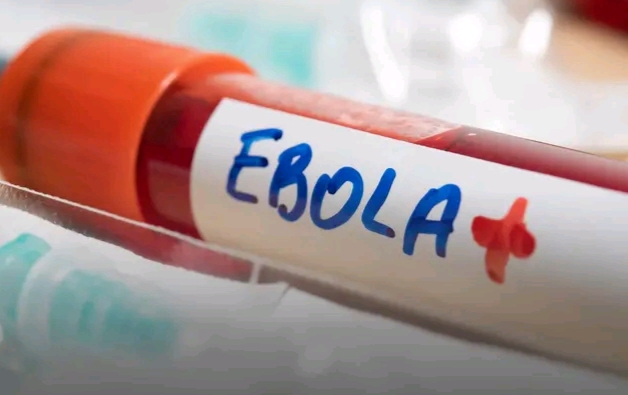
Kenya Confirms Third Ebola Case as 65-Year-Old Woman Tests Positive While in Quarantine
Kenya's confirmation of its third Ebola case on October 16, 2026, marks another important development in the country's response to the Bundibugyo virus outbreak. The patient, a 65-year-old woman and close relative of the first two patients, developed symptoms while in quarantine and subsequently tested positive. She was transferred to an infectious disease unit for supportive care. The earlier death of the first patient and the confirmation of two additional infections demonstrate the seriousness of the situation. However, the fact that the second and third cases were detected among quarantined contacts, together with the absence of identified community transmission at the time of the announcement, offers an important indication that surveillance measures are helping authorities manage the known chain of infection.
Kenya's Ministry of Health confirmed its third Ebola case on Friday, October 16, 2026, raising concerns about the spread of the deadly virus while highlighting the importance of quarantine, contact tracing and early diagnosis. The latest patient is a 65-year-old woman who is a close relative of the first two confirmed patients and had already been placed in quarantine before developing symptoms.
According to the Ministry of Health and the World Health Organization (WHO), the woman tested positive for Bundibugyo virus disease, a strain of Ebola. She was isolated after developing symptoms and transferred to an infectious disease treatment unit, where she is receiving supportive medical care. The third patient was identified through the contact-tracing and quarantine measures established after the first Ebola case was confirmed in Kenya.
Health authorities reported that the 65-year-old woman had been in quarantine since October 6, 2026. She was identified as a primary contact and close relative of the first two patients, meaning she was among the people considered at risk because of their connection to the earlier cases.
While under quarantine, she developed symptoms that prompted health workers to isolate her and collect specimens for laboratory testing.
The symptoms included fever, a sore throat and general weakness or malaise. Her samples were tested at the National Virology Reference Laboratory and the Kenya Medical Research Institute (KEMRI) laboratory, with both laboratories confirming the infection. The woman is linked to the first two patients
The latest case is not being treated as an unrelated infection. Health officials have linked all three confirmed Kenyan cases to the same chain of transmission.
Kenya's first confirmed patient was a 40-year-old Kenyan man who had been living in the Democratic Republic of the Congo, where a major Ebola outbreak was ongoing. He travelled to Kenya after becoming ill and arrived in Nairobi on October 3, 2026.
He was taken for medical attention and subsequently tested positive for Bundibugyo Ebola. Despite receiving supportive treatment, he died on October 5.The second confirmed patient, a 39-year-old male relative of the first patient, tested positive on October 14. He had also been identified as a close contact and was under quarantine. Health authorities reported that he was in stable condition and responding well to supportive care.
The third patient, the 65-year-old woman, tested positive two days later, on October 16. She was likewise a close family contact of the earlier patients.
This sequence illustrates how an imported infection can result in additional cases among people who have been exposed to the original patient.
It also demonstrates why the identification of one confirmed case triggers an extensive public health investigation. Officials must establish where the infected person travelled, who provided medical care, which family members or friends had contact with them, and whether other people may have been exposed.Government says there is no evidence of community transmission
One of the most important updates from the Ministry of Health is that, as of October 16, officials had found no evidence of community transmission.
Community transmission would mean that the virus was spreading among people outside the already identified chain of exposure, making it more difficult for health teams to identify and monitor everyone at risk.
According to the ministry, the three confirmed cases were connected to the first patient, and the additional patients had been in quarantine before their infections were detected.More than 100 contacts placed under quarantine
Contact tracing has become one of the central pillars of Kenya's Ebola response.
Following the identification of the first patient, health authorities compiled a list of 130 people who had potentially been exposed to the virus. These included family members, other close contacts and people whose interactions with the patient required further investigation.
By October 16, the Ministry of Health reported that 127 of the 130 identified contacts had been traced and placed in quarantine, representing approximately 97.7 per cent of the total. Efforts to locate the remaining three were continuing.What is Bundibugyo Ebola virus disease?
Bundibugyo virus disease is a form of Ebola virus disease named after the Bundibugyo area of Uganda, where the virus was first identified in 2007.
Ebola is a serious infectious disease that can cause severe illness and death. The virus can affect several parts of the body, and symptoms may initially resemble those of other infections.
The strain identified in Kenya is particularly important because, according to the WHO and other public health reporting, there is no licensed vaccine specifically approved for the Bundibugyo strain. Research into vaccines and other medical countermeasures is continuing.The lack of a licensed vaccine specifically for this strain makes early detection, isolation, clinical care and infection prevention particularly important.
Nevertheless, a confirmed infection does not automatically mean a patient will die. Outcomes vary, and prompt medical attention and appropriate supportive care are essential.
Health workers provide care according to the patient's condition, which may include maintaining hydration, managing symptoms, monitoring vital signs and treating complications.
The public should rely on official medical guidance rather than unverified claims about miracle cures or unapproved medicines.Ebola is primarily transmitted through direct contact with the blood or other bodily fluids of a person who is infected and symptomatic, or through contaminated materials. Contact with the body of someone who has died from Ebola can also present a risk if appropriate protective measures are not followed.
Ebola does not ordinarily spread through the air like measles. It is therefore important to understand the actual routes of transmission instead of relying on rumours.
Symptoms that may occur include:
Fever.
Unusual tiredness or weakness.
Headache and muscle or joint pain.
Sore throat.
Vomiting and diarrhoea.
Abdominal pain.
Unexplained bleeding in some cases.Government strengthens screening at airports and border points
The third confirmed case has increased attention on the measures Kenya is taking to prevent additional infections from entering the country.
The Ministry of Health has reported distributing personal protective equipment, infection-prevention supplies and public health screening equipment to 28 high-risk counties and points of entry.
The government has also strengthened screening for travellers arriving from 10 countries considered high risk. Under the announced measures, affected travellers are required to complete a digital health surveillance form before boarding and present a QR code to port health officers upon arrival in Kenya.First, the three contacts who had not been traced by October 16 remained a priority for investigators. Officials needed to establish their whereabouts and determine whether they had experienced any potentially risky exposure.
Second, the incubation period means that more cases could appear among people already identified as contacts. Continued monitoring is necessary until the relevant observation periods have been completed.Third, public awareness remains essential. Misinformation, fear and stigma can discourage people from reporting symptoms or disclosing contact with a confirmed patient.
Fourth, healthcare facilities must maintain strict infection-prevention measures. Health workers need appropriate protective equipment, clear procedures for handling suspected cases and safe arrangements for transporting and treating patients.
Finally, the government must communicate regularly with the public. Timely updates can help people understand the actual risk and distinguish Confirmation.Thid,public awareness remains essential. Misinformation, fear and stigma can discourage people from reporting symptoms or disclosing contact with a confirmed patient.
Fourth, healthcare facilities must maintain strict infection-prevention measures. Health workers need appropriate protective equipment, clear procedures for handling suspected cases and safe arrangements for transporting and treating patients.
Finally, the government must communicate regularly with the public. Timely updates can help people understand the actual risk and distinguish confirmed information from rumours.What the third case means for ordinary Kenyans
For most members of the public, the most useful response is to remain informed, practise appropriate hygiene and seek professional medical advice if there is a credible concern about exposure.
Families should not stigmatise people who have been placed in quarantine or assume that every person with a fever has Ebola.
People should also avoid sharing photographs, names or private medical details of suspected patients without authorisation. Respect for privacy is important during public health emergencies.Anyone who has been instructed by health officials to quarantine should follow those instructions carefully and cooperate with monitoring arrangements.
Healthcare workers should continue following infection-prevention protocols, while people travelling internationally should provide accurate health information when requested.
The Ministry of Health has previously advised the public to seek guidance through its official channels and has identified the toll-free health information line 719 for health-related guidance.

You Might Also Like
-
CS Geoffrey Ruku's public address on October 16, 2026, centred on accountability, prudent management of public resources and action against suspected irregularities in government payroll systems. His decision to order 84 human resource officers to step aside for 30 working days, revoke their payrol
-
Principal Secretary Dr Raymond Omollo met members of the Homa Bay business community in Ndhiwa East Sub-County on October 17, 2026. The meeting brought a senior government official into contact with local entrepreneurs at a time when traders in the county have raised concerns about insecurity, poor
-
President William Ruto’s October 17, 2026, engagements in Nandi Hills are part of a wider North Rift development tour focused on infrastructure, education, housing and economic opportunities. The major initiatives associated with the Nandi Hills programme include the development of Koitaleel Samo
-
The deputy president Kithure Kindiki in Tharaka constituency,Tharaka nithi county, Saturday 17 th October 2026. He launched construction of the 24 kilometer Marimanti- Kibung’a- Makandune- Mukuuni/ Gacibi road that connects Tharaka and Imenti Central Constituencies. He directed relevant authori
-
The reported turnout of thousands of job seekers at Wajose Smart Wears in Kericho has highlighted the urgency of addressing unemployment and the intense competition for available opportunities. While the precise details of the recruitment exercise remain independently unverified, the wider employmen
-
The National Transport and Safety Authority (NTSA) has urged motorists whose Smart Driving Licences are ready for collection to pick them up from their designated centres. The authority has also warned Kenyans against dealing with brokers and unauthorised intermediaries who claim to offer assistance