Kenya-EU Strengthen Security Ties as Dr Raymond Omollo Hosts 5th Security and Defence Dialogue in Nairobi
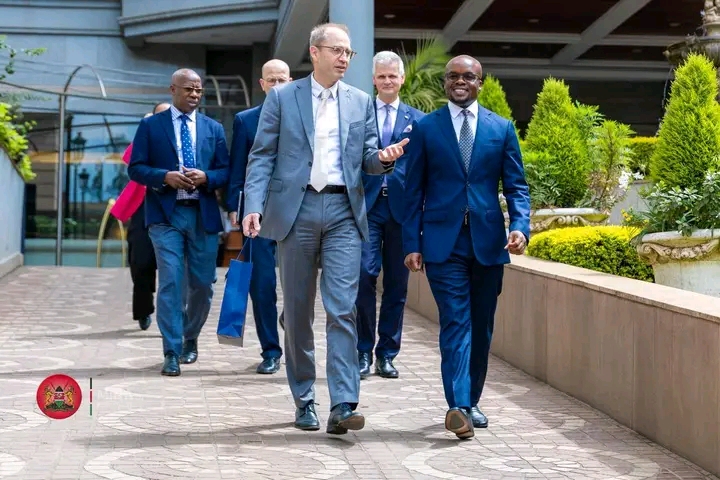
Dr Raymond Omollo hosted the 5th Kenya-European Union (EU) Security and Defence Dialogue, bringing together key stakeholders to strengthen cooperation between Kenya and the European Union in addressing emerging security challenges. The discussions focused on combating terrorism and violent extremism, strengthening border management, enhancing maritime security, tackling cybercrime, improving intelligence sharing and promoting regional stability. The engagement highlighted the importance of international partnerships, technical support and institutional capacity building in protecting citizens and safeguarding national interests. It also reinforced the longstanding Kenya-EU relationship and the shared commitment to promoting peace, security and stability in Kenya, East Africa and the wider region.
Kenya has continued to strengthen its international security partnerships following the hosting of the 5th Kenya-European Union (EU) Security and Defence Dialogue by Dr Raymond Omollo, the Principal Secretary in the State Department for Internal Security and National Administration. The high-level engagement highlights the growing cooperation between Kenya and the European Union in addressing security challenges affecting the country, East Africa and the wider international community.
The dialogue comes at an important time when countries are facing increasingly complex security threats, including terrorism, violent extremism, cybercrime, maritime insecurity, organised criminal networks and regional conflicts. Through such engagements, Kenya and the European Union are seeking to strengthen their cooperation, exchange expertise and develop practical approaches to protecting their citizens and maintaining regional stability.Strengthening Kenya-EU Security Relations
The 5th Kenya-EU Security and Defence Dialogue provides an important opportunity for the two partners to assess their existing security cooperation and identify areas requiring greater attention. Kenya has maintained a longstanding relationship with the European Union, with security and defence forming an increasingly important part of their diplomatic engagement.
The partnership is based on the understanding that security is essential for economic development, investment, regional integration and the protection of citizens. Kenya plays a strategic role in East Africa because of its geographical position, its contribution to regional peacekeeping efforts and its involvement in addressing security threats across the Horn of Africa.
The European Union, on the other hand, brings financial resources, technical expertise, training opportunities and international cooperation frameworks that can support Kenya's security institutions.The government has continued to strengthen security operations, intelligence gathering, border surveillance and cooperation between different security agencies to prevent terrorist attacks and protect vulnerable communities.
Through the dialogue, cooperation between Kenya and European partners is important in strengthening the capacity of security institutions to identify threats before they develop into major incidents.
Counterterrorism efforts require more than military operations. They also involve intelligence sharing, community engagement, preventing radicalisation, strengthening investigations and ensuring that individuals involved in terrorist activities are brought before the courts.Kenya's coastline along the Indian Ocean makes maritime security essential to the country's economy and national interests. The Port of Mombasa serves as a major gateway for imports and exports, connecting Kenya with neighbouring landlocked countries and international markets.
Insecurity in the Indian Ocean, the Red Sea and the Gulf of Aden can disrupt international shipping, increase transportation costs and affect the supply of essential commodities.
During the regional security discussions held in Nairobi on November 2, 2026, maritime security emerged as a major issue. Officials and experts highlighted the importance of stronger cooperation, intelligence sharing and investment in local capabilities to respond to emerging threats.Another important dimension of Kenya's security cooperation with the European Union is cybersecurity.
As Kenya continues to expand its digital economy, the protection of government systems, financial institutions, communication networks and personal information has become increasingly important.
Cybercriminals are using sophisticated methods to target individuals, companies and government institutions. Cyberattacks can disrupt essential services, compromise confidential information and cause significant financial losses.
The government has therefore been strengthening institutional capacity to address cybercrime and protect the country's digital infrastructure.
Cooperation with European partners can support technical training, information exchange, improved investigations and the development of stronger cybersecurity systems.Kenya and the European Union can benefit from closer cooperation in analysing security developments, identifying emerging risks and strengthening communication between relevant institutions.
In maritime security, for example, sharing information about suspicious vessels and activities can help security agencies respond more effectively to threats.
The November 2 Nairobi discussions highlighted the importance of existing information-sharing arrangements, including the EU-supported IORIS maritime information-sharing platform under the CRIMARIO initiative.The 5th Kenya-EU Security and Defence Dialogue also takes place against the backdrop of the 50th anniversary of diplomatic relations between Kenya and the European Union.
The two partners established diplomatic relations in 1976, and their cooperation has grown significantly over the years.
Initially, much of the relationship focused on development assistance in sectors such as agriculture, infrastructure, health and water. However, the partnership has expanded to cover security, trade, investment, technology, political cooperation and regional stability.
In 2021, Kenya and the European Union established a Strategic Dialogue built around three main pillars: political and security cooperation, development cooperation and trade and investment.The engagement hosted by Dr Raymond Omollo is significant because it provides an opportunity for Kenya and its European partners to strengthen their existing relationship and identify practical ways of addressing emerging security challenges.
As security threats continue to evolve, Kenya must remain prepared to respond through effective policies, modern technology, institutional reforms and international cooperation.
The discussions surrounding maritime security, terrorism, cybersecurity, border management and regional stability demonstrate the wide range of issues that require attention.
The European Union has also been preparing for its third Schuman Security and Defence Forum, scheduled for November 17–18, 2026, in Brussels. The Nairobi regional engagement was part of the Road to Schuman process, through which regional perspectives are expected to inform wider international security discussions.The African Union Support and Stabilisation Mission in Somalia (AUSSOM) is particularly important in efforts to support stability in Somalia and address threats posed by armed extremist groups.
During the November 2 Nairobi security discussions, participants also examined the future of regional security cooperation and the importance of supporting African-led peace operations.
Defence Cabinet Secretary Soipan Tuya highlighted the importance of predictable financing for African-led security operations, pointing to the funding challenges facing AUSSOM.
These discussions demonstrate that Kenya's security partnerships are not only concerned with protecting its national borders but also with contributing to wider regional stability. Dr Raymond Omollo's role in hosting the 5th Kenya-EU Security and Defence Dialogue highlights the importance of international partnerships in strengthening Kenya's national security and protecting regional stability. The engagement reflects the shared commitment between Kenya and the European Union to address terrorism, maritime insecurity, cybercrime, organised criminal networks and other emerging threats. Through stronger intelligence sharing, institutional capacity building, technical cooperation and regional engagement, the two partners can improve their ability to respond to security challenges. The dialogue also reinforces Kenya's position as an important security and diplomatic partner in East Africa while providing an opportunity to deepen the longstanding relationship between Nairobi and the European Union.

You Might Also Like
-
More than 350 Kenyan workers who travelled to Saudi Arabia in search of employment have been forced to return home after being denied entry over concerns linked to the Ebola outbreak in Kenya. The unexpected development has disrupted their employment plans, leaving many uncertain about when they wil
-
Inspector General of Police Douglas Kanja has appeared in court to respond to concerns surrounding the disappearance of Tanzanian activist Twaha Mwaipaya, who was reportedly last seen in Nairobi's Kamulu area on October 25, 2026. During the court proceedings, Kanja denied allegations that police off
-
The Ministry of Health has confirmed the discharge of five Ebola patients after medical tests established that they had fully recovered from the disease. The development marks a significant step in Kenya’s efforts to contain the outbreak and prevent further infections. The recoveries highlight the
-
Health Cabinet Secretary Aden Duale has appeared before a parliamentary committee to respond to concerns surrounding Kenya's preparedness and response to the ongoing Ebola outbreak. During the engagement, Duale defended the government's containment measures, highlighting the successful tracing of al
-
Health Cabinet Secretary Aden Duale and Public Health Principal Secretary Mary Muthoni on Tuesday, November 3, 2026, held a high-level meeting with a UNICEF delegation led by Country Representative Shaheen Nilofer to review Kenya's ongoing response to the Ebola outbreak and strengthen collaboration
-
Former west pokot senator joined ODM.He was welcomed at Chungwa House in Nairobi on November 3, 2026, by ODM Deputy Party Leader Simba Arati and other party representatives. He was accompanied by a delegation of leaders from West Pokot County. His political move comes as he positions himself to con