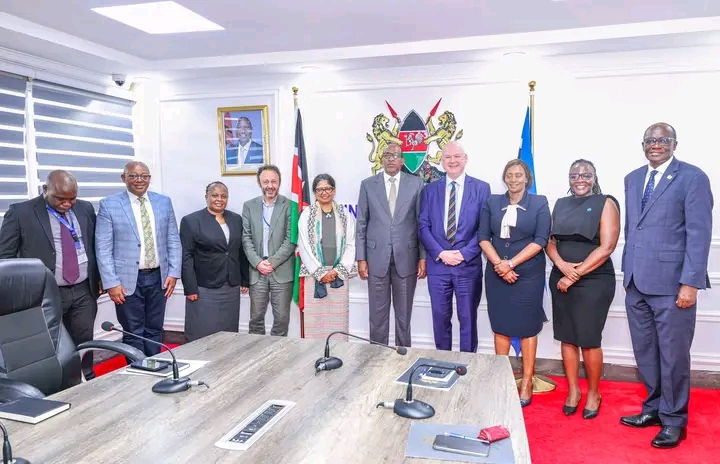
Kenya Intensifies Ebola Fight as Government Holds High-Level Meeting with UNICEF to Safeguard Public Health
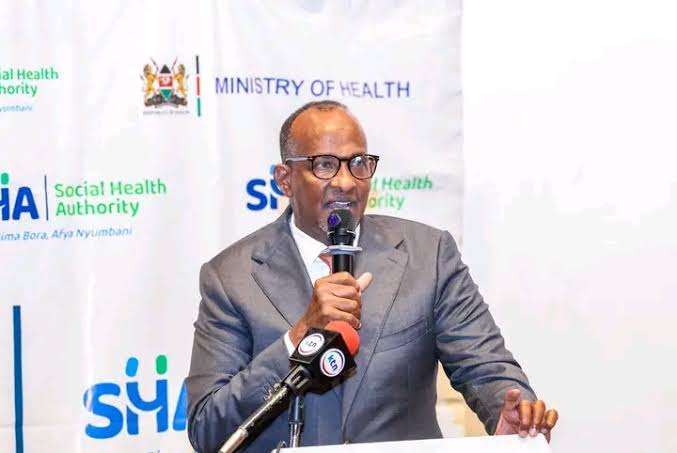
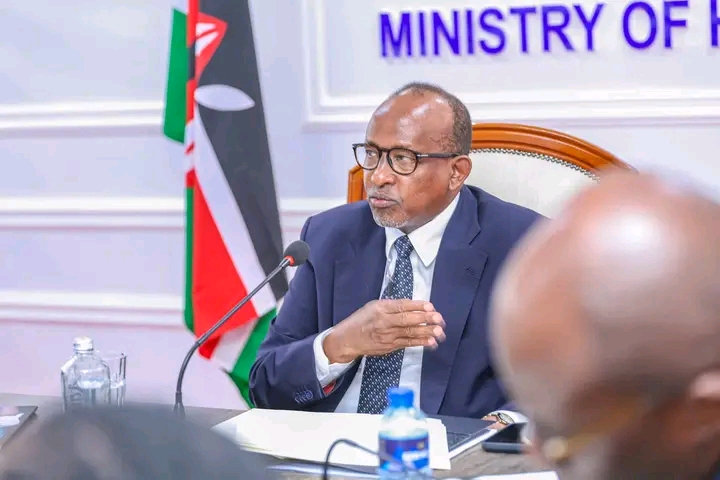
Health Cabinet Secretary Aden Duale and Public Health Principal Secretary Mary Muthoni on Tuesday, November 3, 2026, held a high-level meeting with a UNICEF delegation led by Country Representative Shaheen Nilofer to review Kenya's ongoing response to the Ebola outbreak and strengthen collaboration in safeguarding public health. The discussions focused on disease surveillance, public awareness, community engagement, healthcare preparedness, protection of children and vulnerable populations, and strengthening preventive interventions. The meeting comes as Kenya continues monitoring people who may have been exposed to Ebola, with 46 additional contacts expected to be released after completing the mandatory 21-day monitoring period. The government reaffirmed the importance of working with international partners to contain the outbreak, protect healthcare workers and ensure communities receive accurate information about Ebola prevention and response.
Kenya's efforts to strengthen public health preparedness and contain the Ebola outbreak have taken another important step following a high-level meeting between Health Cabinet Secretary Aden Duale, Principal Secretary for Public Health and Professional Standards Mary Muthoni, and a delegation from the United Nations Children's Fund (UNICEF), led by its Country Representative, Ms Shaheen Nilofer, on Tuesday, November 3, 2026.The meeting focused on reviewing the ongoing response to the Ebola outbreak, assessing the measures already put in place by the government and identifying areas where stronger collaboration is needed to safeguard the health and safety of Kenyans. The discussions also highlighted the importance of working closely with international development partners, particularly UNICEF, in strengthening disease surveillance, protecting vulnerable populations and ensuring that communities receive accurate and timely public health information.
The engagement comes at a critical moment when Kenya continues to strengthen its preparedness and response systems against infectious disease threats. With the possibility of cross-border transmission and the risks associated with highly infectious diseases, the government recognises the importance of coordinated action involving national health institutions, county governments, international organisations and local communities.The meeting brought together senior government health officials and UNICEF representatives at a time when Kenya is intensifying efforts to prevent further spread of the Ebola virus. Aden Duale, who leads the Ministry of Health, and Mary Muthoni, who oversees public health matters, are playing important roles in coordinating the national response.
The participation of UNICEF Country Representative Shaheen Nilofer was particularly significant because the organisation has extensive experience supporting governments in disease prevention, child protection, community health programmes and emergency response.
The discussions provided an opportunity for both sides to assess the progress made so far, identify challenges and explore ways of improving cooperation. Particular attention was placed on public awareness, community engagement, disease prevention, protection of children and strengthening the capacity of health institutions.Kenya's response has become increasingly important following confirmation of its first imported case of Bundibugyo Ebola Virus Disease on October 6, 2026.
According to the Ministry of Health, the patient was a Kenyan citizen who had been living in the Democratic Republic of Congo, where an Ebola outbreak was ongoing. The patient travelled through Kampala, Uganda, before arriving in Nairobi on October 3 aboard Jambojet flight 8523.
After developing symptoms and undergoing medical assessment, laboratory tests confirmed infection with the Bundibugyo strain. The patient later died despite receiving supportive treatment.
Following confirmation, the government immediately intensified disease surveillance, contact tracing, isolation arrangements and screening at major points of entry. Health authorities also began tracing passengers and crew members who had travelled on the same flight as the infected individual.The Ministry of Health confirmed that the patient had come into contact with family members and healthcare workers, prompting authorities to identify and monitor individuals who could have been exposed.
The government has also strengthened laboratory testing to ensure that suspected infections can be identified quickly and appropriate action taken.
The confirmation of the imported case demonstrated the importance of maintaining strong public health systems, particularly because Kenya serves as a major regional transport and economic hub. On Tuesday, November 3, the Ministry of Health was expected to release 46 additional contacts after they completed the mandatory 21-day monitoring period without developing symptoms.
According to reports, the release was part of a phased process to clear the remaining individuals under quarantine. The 46 people formed the first group in the latest release exercise, with additional individuals expected to complete their monitoring periods in subsequent phases.
The development followed the earlier release of 20 contacts on October 26 after they completed the required observation period and were found to be in good health.
Reports indicated that Kenya had recorded nine confirmed infections, including two deaths, while health authorities continued monitoring the remaining contacts.Children require particular attention because they may not fully understand the risks associated with infectious diseases. Parents, teachers and caregivers must therefore receive clear guidance on protecting children and recognising situations that require medical attention.
The partnership also provides an opportunity to strengthen support for children whose families may be affected by quarantine, hospitalisation or other consequences of the outbreak.
Mary Muthoni's previous engagement with UNICEF Country Representative Shaheen Nilofer on October 13 focused on risk communication, community engagement and preventive public health interventions. The November 3 meeting builds on the importance of that cooperation as the government manages the confirmed outbreak. Another important area requiring attention is the strengthening of disease surveillance systems across the country.
Ebola can spread rapidly when suspected cases are not identified early and appropriate infection prevention measures are not followed. For this reason, healthcare facilities must remain alert and ensure that patients with symptoms and relevant travel or exposure histories receive prompt assessment.
The Ministry of Health has been working to strengthen surveillance at airports, border crossings, hospitals and other entry points.
The government has also invested in training healthcare workers to recognise Ebola symptoms, handle suspected cases and follow infection prevention and control procedures.
According to the Ministry of Health, thousands of health workers have received training in Ebola prevention and management. Five laboratories have also been designated to support testing, including mobile laboratory facilities at border points.Doctors, nurses, laboratory technicians, clinical officers and community health promoters are among the people most exposed to infectious diseases because they interact directly with patients and communities.
The government has emphasised the importance of providing adequate personal protective equipment, including protective suits, gloves, face shields, masks and other essential medical supplies.
The World Health Organization has already supported Kenya's response through medical supplies worth approximately US$70,000. These supplies include protective equipment, testing kits, biohazard containers, thermometers and disinfectants.Public awareness remains one of the strongest tools in preventing the spread of Ebola.
The government cannot successfully control an outbreak through hospitals and laboratories alone. Communities must also understand their responsibility in following preventive measures and cooperating with public health officials.
Members of the public are encouraged to maintain good hygiene, wash their hands regularly with soap and clean water, avoid unnecessary contact with people suspected of having Ebola and seek medical attention when experiencing concerning symptoms.
People who suspect that they have been exposed to the virus should contact health authorities rather than attempting to manage the situation without professional assistance.Kenya's geographical position makes regional cooperation particularly important. The country maintains strong connections with Uganda, the Democratic Republic of Congo, Tanzania, South Sudan and other neighbouring states.
Cooperation with organisations such as UNICEF and WHO provides opportunities to strengthen technical assistance, share information and improve emergency response capacity.
The government has already established a National Ebola Virus Disease Preparedness and Response Taskforce to coordinate activities involving government departments, county administrations, security agencies, development partners and technical experts.The focus going forward should remain on protecting lives, preventing further infections, supporting affected families and ensuring that communities receive accurate information.
The government will also need to maintain close monitoring of individuals who have been exposed, strengthen healthcare facilities and ensure that essential medical supplies remain available.
For UNICEF, continued collaboration provides an opportunity to support children and vulnerable populations who may be affected by the outbreak.

You Might Also Like
-
More than 350 Kenyan workers who travelled to Saudi Arabia in search of employment have been forced to return home after being denied entry over concerns linked to the Ebola outbreak in Kenya. The unexpected development has disrupted their employment plans, leaving many uncertain about when they wil
-
Dr Raymond Omollo hosted the 5th Kenya-European Union (EU) Security and Defence Dialogue, bringing together key stakeholders to strengthen cooperation between Kenya and the European Union in addressing emerging security challenges. The discussions focused on combating terrorism and violent extremism
-
Inspector General of Police Douglas Kanja has appeared in court to respond to concerns surrounding the disappearance of Tanzanian activist Twaha Mwaipaya, who was reportedly last seen in Nairobi's Kamulu area on October 25, 2026. During the court proceedings, Kanja denied allegations that police off
-
The Ministry of Health has confirmed the discharge of five Ebola patients after medical tests established that they had fully recovered from the disease. The development marks a significant step in Kenya’s efforts to contain the outbreak and prevent further infections. The recoveries highlight the
-
Health Cabinet Secretary Aden Duale has appeared before a parliamentary committee to respond to concerns surrounding Kenya's preparedness and response to the ongoing Ebola outbreak. During the engagement, Duale defended the government's containment measures, highlighting the successful tracing of al
-
Former west pokot senator joined ODM.He was welcomed at Chungwa House in Nairobi on November 3, 2026, by ODM Deputy Party Leader Simba Arati and other party representatives. He was accompanied by a delegation of leaders from West Pokot County. His political move comes as he positions himself to con