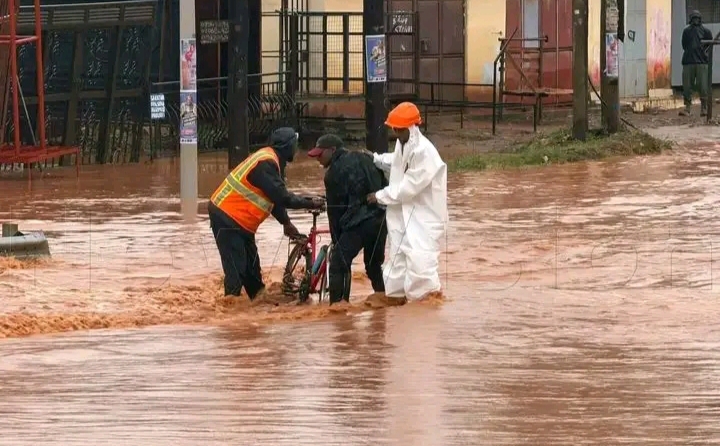
Kenya Metrological Department Issues Weekly Rainfall Forecast: 45 Counties Brace for Showers and Thunderstorms
The Kenya Meteorological Department's forecast for October 20–26, 2026, indicates that rainfall is expected in parts of 45 counties across western Kenya, the Rift Valley, Central Kenya, the Coast, the eastern region and the north-eastern counties. Afternoon thunderstorms are particularly relevant to several western and Rift Valley counties, while morning and night showers are possible in other regions. The main message is that rainfall will be unevenly distributed. Some areas may receive showers while neighbouring locations remain dry. Farmers, motorists, pastoralists and residents should therefore use the national outlook alongside daily updates and county-specific advisories.
The Kenya Meteorological Department (KMD) plays a critical role in keeping Kenyans informed about expected rainfall, temperature changes, strong winds and other weather conditions that may affect daily activities. During October, parts of Kenya typically experience the short-rains season, although the timing, intensity and distribution of rainfall vary considerably from one county to another.
This week's forecast is important for farmers preparing their land for planting, livestock keepers seeking pasture and water, motorists travelling on rural roads, and residents living in areas vulnerable to flooding and landslides.Morning rain: Parts of Embu, Kajiado, Kiambu, Kirinyaga, Laikipia, Machakos, Mandera, Meru, Murang'a, Nairobi, Nyandarua, Nyeri, Tharaka-Nithi, Busia, Siaya, Kisumu, Kisii, Homa Bay, Migori, Turkana and Wajir.
Afternoon thunderstorms: Parts of Baringo, Bomet, Bungoma, Busia, Elgeyo Marakwet, Homa Bay, Kakamega, Kericho, Kisii, Kisumu, Migori, Nakuru, Nandi, Narok, Nyamira, Siaya, Trans Nzoia, Uasin Gishu, Vihiga and West Pokot.
Afternoon showers: Parts of Embu, Garissa, Kajiado, Kiambu, Kilifi, Kirinyaga, Kitui, Kwale, Laikipia, Lamu, Machakos, Makueni, Mandera, Marsabit, Meru, Mombasa, Murang'a, Nairobi, Nyandarua, Nyeri, Isiolo, Taita Taveta, Samburu, Tana River, Tharaka-Nithi and Wajir.
Night showers: Parts of Busia, Embu, Homa Bay, Kajiado, Kakamega, Kiambu, Kilifi, Kirinyaga, Kisumu, Kwale, Laikipia, Lamu, Machakos, Mandera, Marsabit, Meru, Migori, Mombasa, Murang'a, Nairobi, Nyandarua, Nyeri, Siaya, Tana River, Tharaka-Nithi, Vihiga and Wajir. Western Kenya and the Rift Valley are among the regions where the forecast highlights afternoon showers and thunderstorms.
Counties including Kericho, Bomet, Nandi, Uasin Gishu, Trans Nzoia, Kakamega, Bungoma, Busia, Kisumu, Siaya, Kisii, Nyamira, Homa Bay and Migori should pay attention to local weather updates.
Rainfall could benefit farmers preparing their land, planting crops or maintaining existing plantations. Tea-growing areas in Kericho and Bomet, for example, depend on suitable moisture conditions for crop development. However, excessive rainfall in a short period can also cause soil erosion, damage farm access roads and interfere with harvesting and transport.
In areas expecting thunderstorms, residents should be prepared for sudden changes in weather. Outdoor workers, schoolchildren and people travelling on rural roads should take precautions when dark clouds, strong winds or lightning develop.Some locations may experience morning rain, while others could receive afternoon showers or night-time rainfall. This variation matters because a county can cover several different climatic zones, from warmer lowlands to cooler highlands.
In Nairobi, rain may affect traffic, pedestrian movement and drainage, particularly where stormwater channels are blocked. Motorists should allow additional travel time during showers and avoid driving through flooded sections of roads.
In Central Kenya, farmers can use local forecasts to plan land preparation and planting. Nevertheless, they should avoid planting decisions based only on a national forecast. Soil moisture, the expected duration of the rains, crop variety and advice from agricultural extension officers are also important.The Coast region, including Mombasa, Kilifi, Kwale, Lamu and Taita Taveta, is also covered by the forecast.
Morning showers are expected in parts of Mombasa, Kilifi, Kwale, Lamu and Tana River. Afternoon showers are also possible in coastal locations, while some areas may experience rain at night.
The forecast does not mean that all coastal areas will receive equal rainfall. Some places may experience brief showers while others remain dry for much of the day.
Weather changes can affect fishing, marine activities, tourism, road transport and other outdoor work. People involved in marine activities should follow relevant official weather and sea-condition advisories before travelling.The forecast also includes Mandera, Wajir and Garissa, alongside Marsabit, Turkana and Tana River.
These counties generally experience hotter and drier conditions than many western and central highland areas. Nevertheless, localised rainfall can occur, and communities should not disregard the possibility of thunderstorms simply because an area is usually dry.
For pastoralists, rainfall may improve the availability of pasture and water for livestock. However, the benefits depend on the amount and distribution of the rain. A short shower may not provide sufficient water to replenish livestock sources, while intense rainfall can create dangerous conditions in normally dry riverbeds.What the forecast means for farmers
October marks the beginning of the October–November–December short-rains season over much of Kenya. The seasonal transition can create opportunities for agricultural production, but rainfall timing and distribution remain important.
Farmers should:
Follow county-specific forecasts before planting.
Prepare drainage channels to reduce waterlogging and soil erosion.
Use appropriate soil and water conservation methods on sloping land.
Protect harvested produce, farm equipment and stored seeds from rain.
Seek advice from agricultural extension officers on crop selection and planting dates.Rainfall is beneficial, but thunderstorms and heavy downpours can create hazards.
Residents should avoid walking or driving through fast-moving floodwater, keep away from swollen rivers and drainage channels, and avoid sheltering beneath isolated trees during lightning.
Households should clear blocked drainage systems where it is safe to do so. People living in flood-prone areas should pay attention to official warnings and be ready to move to safer ground if local authorities advise evacuation.
Motorists should slow down on wet roads, increase their following distance and use headlights when visibility is poor. School administrators, farmers and event organisers should also monitor short-term forecasts when planning outdoor activities.Temperatures expected across selected towns
Rainfall is not the only issue covered by the weekly bulletin. The department also forecasts notable differences between hot lowland areas and cooler highland locations.
Lodwar 38°C 25°C
Mandera 37°C 25°C
Wajir 36°C 24°C
Garissa 35°C 24°C
Kisumu 34°C 19°C
Nairobi 29°C 12°C
Kericho 26°C 10°C
Eldoret 26°C 12°C
Nyahururu 25°C 7°C
These are forecast maximum and minimum temperatures for selected towns during October 20–26, 2026, rather than observed temperatures for every day.
The figures show why Kenyans should prepare for different conditions across the country. Hotter areas may require additional attention to hydration and heat exposure, while residents of colder highland locations may need warm clothing at night and in the early morning.

You Might Also Like
-
The National Assembly has passed the Sexual Offences (Amendment) Bill No. 78 of 2023, aimed at promoting public awareness, protecting victims’ right to education and aligning existing laws with the Constitution of Kenya. The proposed amendments highlight the importance of safeguarding victims’ r
-
Felix Koskei's participation in the Global Trust Summit 2026 placed Kenya's public service leadership within a major conversation about the relationship between institutions and the people they serve. The summit's first day focused on rebuilding trust from the frontline, examining democracy, publi
-
The October 21 protest by public health officers in Nairobi has brought renewed attention to the connection between workers' welfare, adequate staffing and Kenya's preparedness for infectious disease outbreaks. As their nationwide strike entered its 92nd day, the officers demanded the signing of a
-
Governor Patrick Ole Ntutu's reported peace message during the Mashujaa Day celebrations at Esoit Naibor Primary School highlights the importance of unity, security and cooperation in Trans Mara South. The gathering came amid concerns about inter-clan disputes and the need to prevent ethnic incitem
-
Deputy President Kithure Kindiki's development agenda in Gatundu North highlights two important areas: modern market infrastructure and improved road connectivity. Kanyoni Market represents the importance of supporting small-scale traders and farmers, while the inspection of the Thika–Magumu Mau M
-
Deputy President Kithure Kindiki's latest meeting in Karen on October 21, 2026, forms part of an intensified national campaign against illicit alcohol and drug cartels. The government reports that multi-agency teams carried out 125 raids over ten days, while new legislative proposals seek to strengt