



Kenya Opens Talks for KSh127 Billion Financing from World Bank and AfDB
Kenya is in talks with the World Bank and African Development Bank (AfDB) for a proposed KSh127 billion loan to help bridge the budget deficit and support government programmes.
Kenya has opened discussions with the World Bank and the African Development Bank (AfDB) to secure financing of up to KSh127 billion, as the government seeks additional resources to address its widening budget deficit and support ongoing national programmes.
The proposed financing comes at a time when the government is under pressure to balance its development priorities with the need to manage public expenditure and maintain fiscal stability.
Discussions with the two multilateral lenders are expected to focus on financing arrangements that could provide the government with additional budgetary support while helping Kenya meet its financial obligations and continue implementing priority programmes.
The move highlights the government's continued reliance on development partners to supplement domestic revenues and other sources of financing. Kenya, like many other developing economies, uses a combination of tax revenues, domestic borrowing, external financing and development assistance to fund its national budget.
The proposed KSh127 billion package would therefore form part of the government's broader financing strategy as it works to close the gap between projected revenues and expenditure.
Growing Budget Pressure
Kenya's budget has continued to face pressure from rising government expenditure, debt obligations and the cost of implementing development programmes.
The government collects billions of shillings in taxes and other revenues every financial year. However, these revenues have not always been sufficient to meet the country's total expenditure needs. The resulting shortfall creates a budget deficit that has to be financed through borrowing and other funding arrangements.
The government has in recent years sought to increase domestic revenue collection while also reviewing expenditure and exploring alternative sources of financing.
The talks with the World Bank and AfDB are part of this wider effort to secure financing from international development institutions.
Multilateral lenders such as the World Bank and AfDB typically provide financing to countries for development programmes, policy support and other agreed national priorities. Such financing can come with specific conditions, repayment periods and policy requirements depending on the nature of the facility.
For Kenya, negotiations over the proposed financing will therefore be important in determining the final amount, terms and intended use of the funds.
Role of the World Bank and AfDB
The World Bank and African Development Bank are among Kenya's major development partners and have supported projects in areas including infrastructure, healthcare, education, agriculture, energy, governance and social protection.
The World Bank Group provides financial and technical assistance to developing countries, while the African Development Bank focuses on supporting economic and social development across the continent.
Through such partnerships, Kenya has accessed financing for both national programmes and specific development projects.
The proposed financing discussions demonstrate the government's continued engagement with international financial institutions as it seeks to strengthen public finances and support economic development.
However, the final outcome of the negotiations will depend on the terms agreed between Kenya and the two institutions.
Why the Financing Matters
Additional financing could provide the government with greater room to manage the current budgetary gap.
A budget deficit occurs when government expenditure exceeds the revenue collected during a particular financial year. Governments can finance such deficits through domestic borrowing, external borrowing, grants, asset sales or other financial arrangements.
External financing can provide governments with access to longer-term funds, although it also creates future repayment obligations.
For Kenya, the proposed KSh127 billion financing therefore comes with both an immediate financing objective and longer-term considerations around debt management.
The government will need to balance the need for additional resources against the cost of borrowing and the country's overall debt position.
Impact on Government Programmes
The government has numerous programmes requiring continued funding, including infrastructure development, healthcare, education, social protection and other public services.
Budget constraints can affect the pace at which some programmes are implemented, particularly when government revenues fall below projections or expenditure pressures increase.
Additional financing could help provide resources for agreed government priorities and reduce some of the immediate pressure on the national budget.
At the same time, how the funds are allocated and managed will be important in determining their impact.
The government and development partners are expected to agree on the specific framework governing the financing before any funds are disbursed.
Revenue Collection Remains Key
While external financing can help bridge a budget deficit, improving domestic revenue collection remains an important part of Kenya's long-term fiscal strategy.
The government has continued to pursue measures aimed at expanding the tax base, improving compliance and reducing revenue leakages.
Increasing domestic revenue would reduce the need to rely heavily on borrowing to finance government expenditure.
However, higher revenue collection can also have wider economic implications, particularly for businesses and households, depending on the measures introduced.
The government therefore faces the challenge of raising sufficient revenue while maintaining an environment that supports investment, employment and economic activity.
Debt Management
Kenya's borrowing decisions are closely linked to its broader debt-management strategy.
Every new loan adds to the country's future repayment obligations. This makes the terms of borrowing particularly important.
Factors such as interest rates, repayment periods, grace periods and the currency in which a loan is denominated can affect the overall cost of external financing.
Concessional or development financing can sometimes offer more favourable terms than commercial borrowing, depending on the facility.
The ongoing discussions with the World Bank and AfDB will therefore be closely watched as Kenya seeks to determine how the proposed financing would fit into its existing debt-management framework.
What Happens Next?
The talks between Kenya, the World Bank and AfDB are expected to continue as the parties negotiate the proposed financing arrangements.
Before funds can be accessed, the financing would need to go through the relevant approval and disbursement processes.
The final amount may also depend on the outcome of negotiations and the conditions attached to the financing.
The government is expected to provide further details once the discussions progress and an agreement is reached.
Until then, the proposed KSh127 billion remains part of ongoing financing discussions rather than funds that have already been disbursed.
Broader Economic Context
Kenya's search for additional financing comes amid broader efforts to manage economic growth, public expenditure and government debt.
The country continues to pursue investments designed to stimulate economic activity, create employment and improve public infrastructure.
At the same time, the government has to ensure that available resources are sufficient to meet essential public needs while maintaining fiscal discipline.
The proposed financing from the World Bank and AfDB illustrates the balance governments often have to strike between funding immediate priorities and maintaining sustainable public finances.
For citizens, the key issue will be how any additional funds are used, the terms under which they are borrowed and whether the financing contributes to programmes that deliver measurable economic and social benefits.
For investors and businesses, the government's approach to managing its deficit and debt will also remain an important factor in assessing Kenya's broader economic environment.
Conclusion
Kenya's discussions with the World Bank and African Development Bank over a proposed KSh127 billion financing package mark another step in the government's efforts to address its budget deficit and secure additional resources.
The negotiations come as the government works to balance development priorities, public spending, revenue collection and debt management.
The final terms of the proposed financing will determine its cost to the country and how it can be incorporated into Kenya's wider fiscal strategy.
As discussions continue, attention will focus on the amount ultimately agreed, the conditions attached to the financing, the intended use of the funds and the government's ability to manage the additional debt responsibly.
For Kenya, the broader challenge remains finding a sustainable balance between financing development today and protecting the country's fiscal position for the future.

You Might Also Like
-
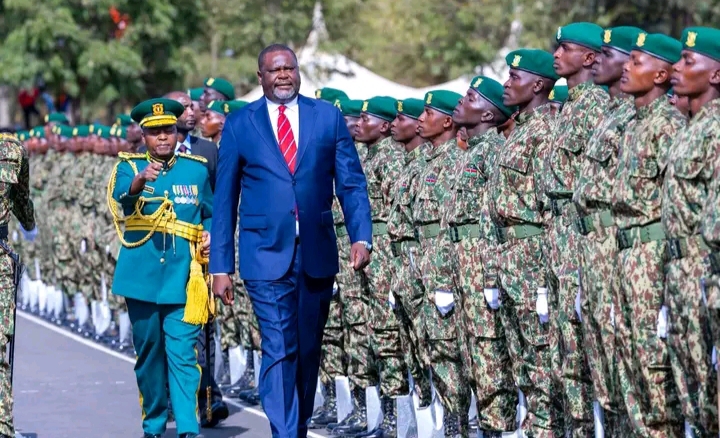
Public Service Cabinet Secretary Geoffrey Ruku represented President William Ruto at the NYS passing-out parade at the Paramilitary Academy in Gilgil on October 2, 2026, where 15,363 recruits from the 01/2026 cohort graduated after six months of intensive training. The class included 11,527 men, 3,8
-
Rigathi Gachagua has arrived in Boston, Massachusetts, as he enters the final phase of his extensive United States tour, where he is engaging Kenyans in the diaspora on matters of national development, investment, leadership and Kenya’s political future. Accompanied by his wife, Pastor Dorcas Riga
-
Deputy President Kithure Kindiki's announcement in Kiambu on October 2, 2026, signals a renewed phase in the government's campaign against illicit and harmful alcoholic drinks. The fresh inspections will target alcohol manufacturing premises to determine whether they comply with health, safety, qual
-
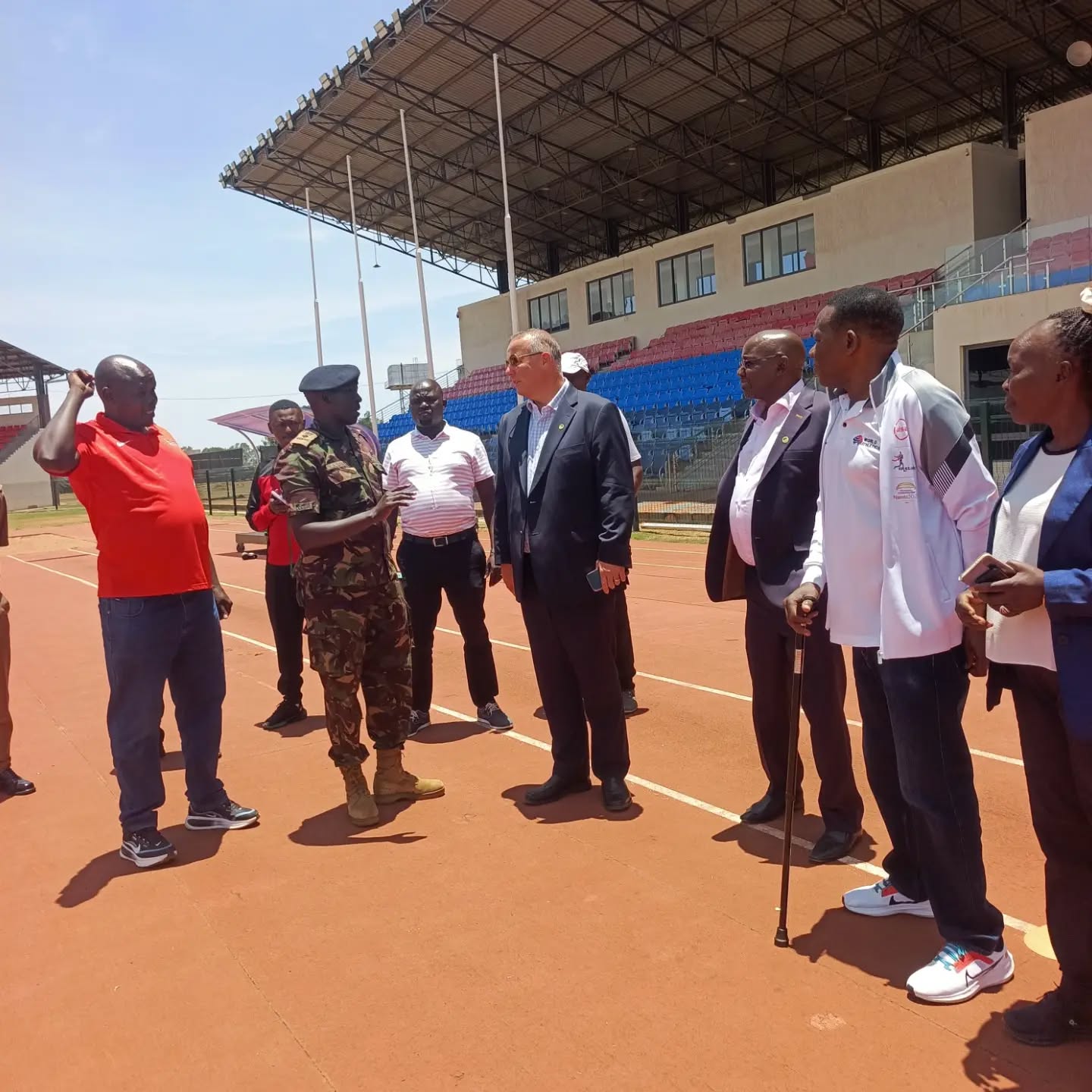
Kenya has begun preparations to host the 2029 World Athletics Championships, with World Athletics official Pierce O’Callaghan inspecting Kasarani, Nyayo and Ulinzi Sports Complex to guide infrastructure upgrades ahead of the global event.
-
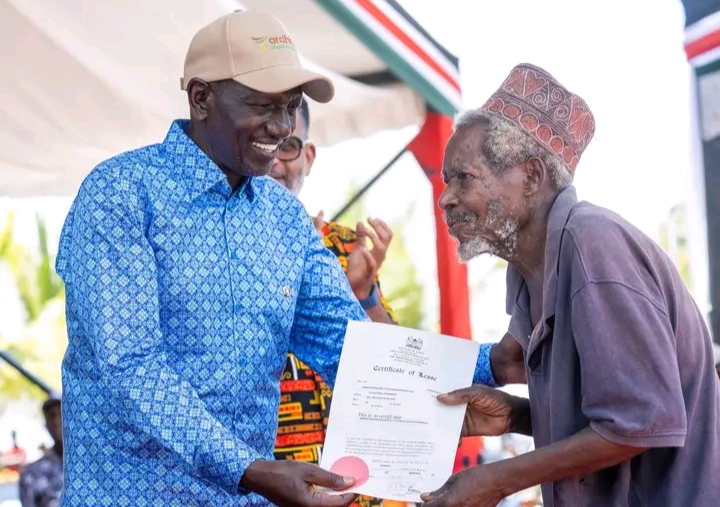
President William Ruto on October 2, 2026, presided over the issuance of about 5,000 title deeds to residents of Mombasa County at the Mama Ngina Drive Grounds, as part of a wider government programme aimed at resolving longstanding land ownership and squatter problems at the Coast. The Mombasa issu
-
Nairobi Governor Johnson Sakaja has given contractors 14 days to complete flood-control projects, as the county steps up efforts to improve drainage and tackle flooding across the city.