KENYA PRINTS NATIONAL EXAMINATION PAPERS LOCALLY FOR THE FIRST TIME IN 65 YEARS, RUTO ANNOUNCES
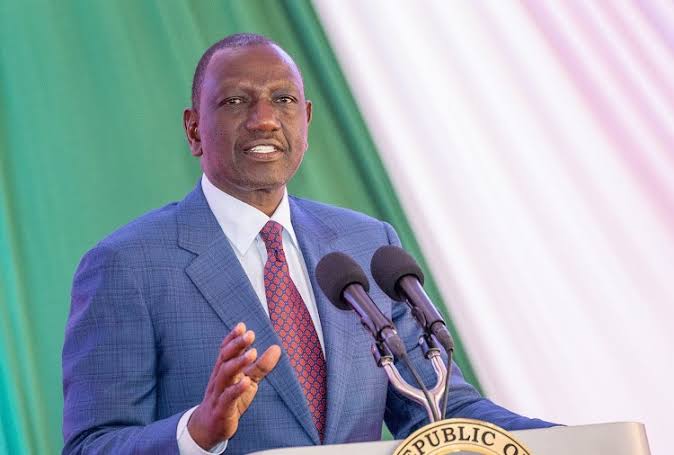
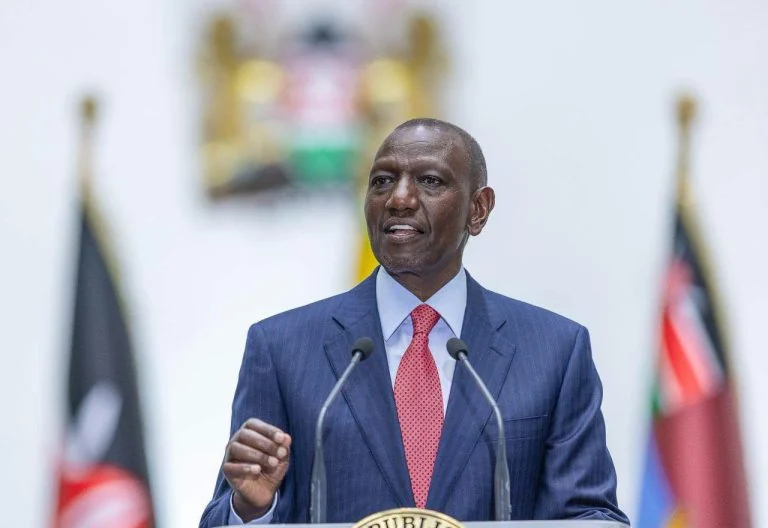
President William Ruto has announced that, for the first time in 65 years, national examination papers have been printed locally in Kenya. The President highlighted the achievement during his State of the Nation Address, describing it as a significant milestone in strengthening local production, promoting self-reliance and reducing dependence on external services. The development places renewed focus on Kenya's printing and manufacturing industries, as well as the government's wider efforts to strengthen domestic capacity and support national institutions.
Kenya Marks Major Milestone as Ruto Announces Local Printing of National Examination Papers After 65 Years
President William Ruto has announced a major milestone in Kenya's education sector, revealing that national examination papers have, for the first time in 65 years, been printed locally within the country. The President described the development as an important achievement in the government's efforts to strengthen local production, promote self-reliance and improve the management of national examinations.
Speaking during his State of the Nation Address, Ruto highlighted the achievement as part of the broader transformation taking place across different sectors of the economy. He noted that the local printing of examination papers represents a significant shift from the country's longstanding dependence on external printing arrangements.
For decades, Kenya has relied on arrangements involving printing examination papers outside the country, making the latest development an important step towards strengthening local capacity. The decision to have the papers printed within Kenya demonstrates the growing role of local institutions and industries in supporting essential national responsibilities.
The President said the achievement reflects the government's commitment to ensuring that more economic activities are undertaken locally. By strengthening domestic production, the country can create opportunities for local businesses, support employment and retain more economic value within its borders.
The education sector remains one of the most important pillars of Kenya's development agenda, with millions of learners depending on the national examination system to determine their academic progress and future opportunities. The management of examinations requires careful planning, strict security measures and reliable systems to ensure that every candidate receives a fair opportunity.
The local printing of examination papers is therefore significant because it places greater emphasis on developing the country's ability to handle critical educational processes. It also demonstrates the importance of investing in local expertise, technology and infrastructure to support national institutions.
Kenya's national examinations play a central role in determining the transition of learners from primary to junior and senior secondary education, as well as their eventual progression into colleges, universities and other institutions of higher learning. The credibility of these examinations is essential in maintaining public confidence in the education system.
The government has continued to emphasise the need to strengthen examination administration and address challenges that have affected the sector over the years. These include examination malpractice, security concerns, logistical difficulties and the need to ensure timely delivery of examination materials to schools across the country.
Printing examination papers locally is being presented as part of the country's broader efforts to improve institutional capacity and reduce dependence on foreign service providers. The development also places attention on the potential of Kenyan industries to undertake tasks that were previously handled beyond the country's borders.
Beyond education, the announcement reflects the government's wider economic strategy of promoting local manufacturing and increasing the country's capacity to produce goods and services. The administration has repeatedly highlighted the importance of strengthening domestic industries as a way of creating employment and supporting sustainable economic growth.
The manufacturing sector is considered an important driver of economic development because of its potential to create jobs, stimulate investment and provide opportunities for businesses operating within the country. Increased local production can also strengthen supply chains and reduce reliance on imported goods and services.
The printing industry is among the sectors that can benefit from increased government support and investment in local production capacity. Institutions involved in printing, publishing and related services require modern equipment, skilled personnel and reliable infrastructure to meet the demands of both public and private institutions.
The government's decision to support local printing capacity for examination papers could also encourage further investment in the industry, particularly if local institutions continue to demonstrate their ability to meet the required standards.
However, the success of such an initiative depends on maintaining strict quality control, confidentiality and security throughout the examination preparation and distribution process. Examination materials are highly sensitive, and any weaknesses in their handling could undermine the credibility of the national assessment system.
The Kenya National Examinations Council plays a central role in overseeing the country's national assessments and ensuring that examination processes meet established standards. The protection of examination papers remains a critical responsibility, particularly during printing, packaging, transportation and distribution to examination centres.
The government is also expected to maintain strong safeguards to ensure that local printing arrangements meet the same or higher standards of security and professionalism required in the management of national examinations.
learners, parents and teachers, the announcement comes at a time when the country continues to implement changes in the education sector under the Competency-Based Education framework. The transition has brought renewed attention to curriculum implementation, teacher preparedness, learning resources and the infrastructure required to support different levels of education.
The government has been investing in classrooms, laboratories, teacher recruitment and other facilities aimed at improving the learning environment in schools. These interventions are intended to support the growing number of learners entering different stages of the education system.
The administration has also maintained that education remains central to its development agenda, with efforts directed towards expanding access, improving learning outcomes and ensuring that students from different backgrounds benefit from available opportunities.
The printing of examination papers within Kenya adds another dimension to these efforts by highlighting the importance of developing local capacity to support the education system.
The announcement is also likely to attract attention from stakeholders in the printing and manufacturing industries, who may view the development as an opportunity to demonstrate the country's ability to undertake more technically demanding assignments.
Local production has increasingly become part of discussions surrounding economic independence, particularly as countries seek to strengthen their domestic industries and reduce exposure to disruptions in international supply chains.
Kenya, building stronger local manufacturing capacity could help create new employment opportunities for young people, particularly those with technical skills in printing, engineering, information technology and industrial production.
The government has continued to encourage both public and private sector institutions to explore opportunities for local production and investment. Such partnerships are considered important in expanding the country's industrial base and improving the competitiveness of Kenyan businesses.
The announcement by President Ruto therefore goes beyond the printing of examination papers, bringing attention to the wider question of how Kenya can utilise its available skills, technology and resources to undertake more national projects locally.
It also highlights the importance of ensuring that public institutions support domestic industries whenever local capacity is available and can meet the required standards.
As the country continues to pursue its development objectives, the government has maintained that economic transformation must be supported by investments in education, infrastructure, manufacturing and technology.
The local printing of examination papers after 65 years marks a notable development in the country's examination administration history, according to the President. It also presents an opportunity for Kenya to strengthen its domestic production capabilities while maintaining the integrity and security of its national examination system.
Ruto's announcement forms part of his broader message on the progress of the country's development agenda and the need to sustain ongoing reforms across key sectors.
The President maintained that the work of building a prosperous, equitable and united Kenya must continue without interruption, pointing to the importance of maintaining momentum in the implementation of government programmes.
As Kenya moves forward, attention will remain on how the country can translate such milestones into lasting improvements in public service delivery, industrial development and the quality of education.
The local printing of national examination papers is consequently being highlighted as an important step in strengthening Kenya's ability to undertake essential national responsibilities within its own borders.

You Might Also Like
-
President William Ruto has defended the constitutional mandate of security agencies to maintain law and order, protect lives and property, and safeguard national security while acknowledging that police officers who use unlawful force during demonstrations must be held accountable. The President's r
-
The Longisa Boys High School community is mourning the death of a student who reportedly fell ill in the morning during the examination period and later passed away while receiving treatment at a hospital. The incident has left fellow students, teachers and the wider school fraternity in shock as in
-
The Ministry of Labour and Social Protection has signed its Second-Level Ministerial and Agency/Semi-Autonomous Government Agencies (AGA/SAGA) Performance Contracts for the 2026/2027 Financial Year in a ceremony held at NSSF Building, Social Security House, Nairobi. The exercise was presided over by
-
President William Ruto has announced a KSh1.2 billion bonus package for sugarcane farmers, with disbursement expected to begin next week, as the government seeks to ensure that the ongoing revival of the sugar industry translates into better earnings and improved livelihoods for farmers. The Preside
-
President William Ruto is today expected to deliver his fourth State of the Nation Address before a joint sitting of the National Assembly and the Senate at 2:30 PM. The highly anticipated address will provide the Head of State with an opportunity to outline his administration’s achievements, asse
-
President William Ruto has met elected leaders from Nyandarua County at State House, Nairobi, for discussions centred on boosting agricultural production, increasing farmers’ incomes and accelerating the implementation of key development projects across the county. During the meeting, the Presiden