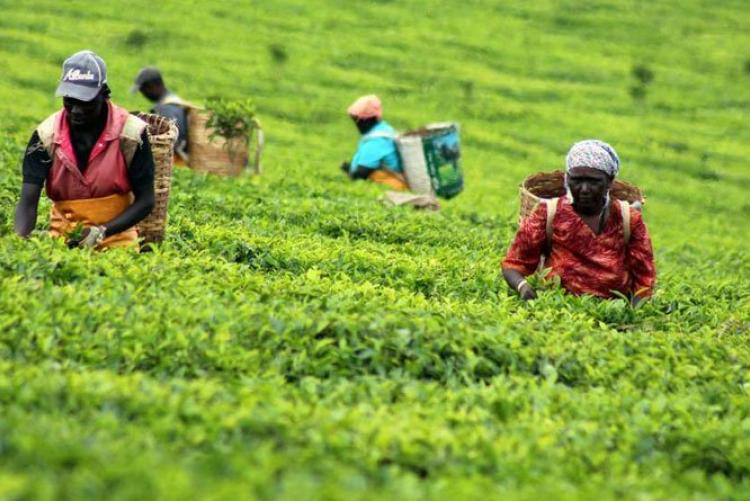
KENYA SET TO RESUME TEA EXPORTS TO SUDAN AS IMPORT BAN IS LIFTED
Kenyan tea farmers and exporters are expected to benefit from renewed business opportunities following Sudan’s decision to lift its ban on tea imports from Kenya. The move paves the way for the resumption of tea shipments to the Sudanese market, which has traditionally been an important destination for Kenyan tea. The reopening is expected to strengthen trade relations between the two countries while creating fresh opportunities for local exporters to reconnect with buyers and expand their businesses. The development comes as a major boost to Kenya’s agricultural sector, with tea remaining one of the country's leading export commodities and a significant source of foreign exchange. Thousands of farming households, factory workers, transport operators and businesses depend on the tea industry for their livelihoods. The return of Sudan as an accessible market could help increase demand for Kenyan tea, although the actual benefits to farmers will depend on export volumes, international prices and market demand. The decision is also expected to support efforts to diversify Kenya’s export destinations and reduce dependence on a limited number of international buyers. Stakeholders will now be looking forward to the resumption of shipments and the restoration of commercial relationships between Kenyan exporters and Sudanese buyers. The reopening offers renewed hope for the tea industry and could contribute to improved business prospects for farmers and other players across the agricultural value chain.
Kenyan tea farmers and exporters have received a significant boost following Sudan's decision to lift its ban on tea imports from Kenya, paving the way for the resumption of shipments to one of the country's important overseas markets.
The development is expected to provide relief to stakeholders in Kenya's tea industry, particularly farmers, processors and exporters who depend on international markets to sustain their businesses and generate income.
Sudan has traditionally been an important destination for Kenyan tea, with the country's market providing opportunities for local producers to sell their products beyond the domestic market.
The lifting of the restrictions is therefore expected to reopen trade opportunities and strengthen commercial relations between Kenya and Sudan, particularly within the agricultural sector.
Kenya is among the leading tea-producing countries globally, with the crop serving as a major source of foreign exchange and supporting the livelihoods of millions of people directly and indirectly involved in its production, processing and distribution.
For many farming households, tea production remains an important economic activity that provides income for meeting household expenses, supporting children's education and investing in other agricultural activities.
The resumption of exports to Sudan could provide additional opportunities for Kenyan tea exporters to access buyers and expand their commercial operations.
The decision also comes at an important time for the country's agricultural sector, which continues to rely heavily on international markets to sustain the value of its products.
Tea is one of Kenya's most significant agricultural exports, alongside other products such as coffee, horticultural produce and flowers.
The industry supports a wide network of economic activities, including farming, transportation, processing, packaging, warehousing and international distribution.
Thousands of farmers depend on tea cultivation as their main source of livelihood, while factories and other businesses rely on consistent supplies of the crop to maintain their operations.
Any disruption affecting access to international markets can therefore have wider consequences for the entire tea value chain.
The lifting of Sudan's ban is expected to create renewed opportunities for exporters to resume business with buyers in the country.
For tea-producing communities, access to reliable markets is particularly important because farmers depend on the sale of their produce to generate income.
When export markets become unavailable, traders and exporters may be forced to redirect their products to alternative destinations, potentially creating additional competition and commercial challenges.
The reopening of the Sudanese market is therefore expected to provide another outlet for Kenyan tea and contribute to efforts aimed at expanding the country's export destinations.
Kenyan tea is widely recognised in international markets for its quality, colour, flavour and suitability for blending.
These characteristics have helped the country establish itself as an important supplier to tea-consuming nations across different regions.
The return of Sudan as an accessible destination could further strengthen Kenya's position in the international tea trade.
It also presents an opportunity for local exporters to rebuild business relationships, reconnect with existing buyers and explore new commercial arrangements.
Beyond the immediate benefits to exporters, the development is important for farmers who depend on the stability of the tea industry.
The agricultural sector remains a major contributor to Kenya's economy, providing employment and income to people living in both rural and urban areas.
Tea production is particularly important in regions where favourable climatic conditions support large-scale cultivation.
Counties in the Rift Valley, Central Kenya and other tea-growing areas have developed strong agricultural economies around the crop.
In these regions, tea farming supports households, local businesses, transport operators and factories that process harvested leaves.
The industry's performance therefore has a direct influence on economic activities in many rural communities.
An increase in export opportunities can potentially strengthen demand for Kenyan tea and support the commercial activities of farmers and other stakeholders.
However, the actual benefits to farmers will depend on several factors, including the volume of tea exported, market demand, international prices and the purchasing arrangements established by exporters.
The resumption of shipments does not automatically guarantee higher earnings for farmers, but it provides an opportunity to expand market access and improve the industry's trading prospects.
Kenya's tea sector has faced various challenges over the years, including fluctuations in international prices, rising production costs, changing weather conditions and competition from other tea-producing countries.
Farmers have also raised concerns about the need for better earnings, improved market access and stronger mechanisms to protect their interests.
The opening of additional markets is therefore an important part of efforts to strengthen the sector and reduce dependence on a limited number of buyers.
Export diversification allows producers and traders to explore opportunities in different countries, helping the industry remain resilient when individual markets experience disruptions.
Sudan's decision could consequently contribute to broader efforts to expand Kenya's agricultural trade and strengthen its position in regional and international markets.
The country has continued to pursue opportunities to increase exports of agricultural products through improved trade relations and commercial partnerships.
Agricultural exports play an important role in generating foreign exchange, supporting national economic activities and creating opportunities for businesses involved in international commerce.
The tea industry is particularly important because of its extensive production network and the large number of people who depend on it.
From small-scale farmers harvesting tea leaves to factory workers involved in processing and packaging, the sector provides livelihoods across different stages of production.
Exporters also play a critical role by connecting local producers with international buyers and ensuring that Kenyan tea reaches consumers in overseas markets.
The reopening of Sudan's market could help restore some of these commercial connections and create opportunities for businesses to increase their operations.
It may also encourage exporters to strengthen their distribution networks and explore ways of increasing the competitiveness of Kenyan tea.
Maintaining access to international markets requires consistent product quality, reliable supply chains and compliance with the requirements established by importing countries.
Kenyan exporters will therefore need to maintain high production and processing standards to ensure that their products remain competitive.
The government and relevant agricultural institutions also have an important role in supporting the industry through policies that encourage trade, improve production and protect the interests of farmers.
Market access negotiations, trade facilitation and engagement with international partners remain important in ensuring that Kenyan agricultural products can reach consumers without unnecessary barriers.
For farmers, the most important consideration will be whether the reopening of the Sudanese market translates into improved demand and better returns from their produce.
Tea-growing households often face financial responsibilities that depend on regular income from agricultural activities.
These include paying school fees, purchasing farm inputs, meeting household expenses and investing in other income-generating activities.
A stable tea market can therefore contribute to financial security among farming families.
The resumption of exports could also support factories and businesses that rely on the processing and movement of tea.
Increased commercial activity may benefit transport companies, packaging suppliers, warehouse operators and other service providers connected to the export industry.
The development highlights the importance of maintaining strong international trade relationships and addressing restrictions that affect the movement of agricultural commodities.
For Kenya, the ability to access different markets is essential in ensuring that locally produced goods remain competitive and that farmers have sufficient opportunities to sell their produce.
Sudan's decision to lift the restrictions is therefore a welcome development for the tea industry, although the long-term impact will depend on the level of demand and the ability of exporters to resume business effectively.
Stakeholders will be keen to see how quickly shipments return to normal and whether the reopening will lead to stronger trade volumes in the coming months.
The development could also encourage further engagement between Kenyan and Sudanese business communities, particularly those involved in agricultural production and international trade.
Strengthening these commercial relationships may provide additional opportunities for Kenyan exporters to expand their reach and establish more reliable supply arrangements.
As Kenya continues to pursue growth in its agricultural sector, the availability of international markets remains central to the success of farmers and exporters.
The tea industry, in particular, requires consistent demand and competitive pricing to sustain production and support the livelihoods of people involved in the sector.
The reopening of Sudan's market adds another opportunity for Kenya to strengthen its tea export business and improve access to regional and international consumers.
The lifting of the ban is expected to benefit the country's tea trade by allowing exporters to resume shipments to Sudan and rebuild commercial opportunities in the market.
For Kenyan farmers, the development offers renewed hope of stronger demand for their produce and improved prospects for an industry that remains a major pillar of the country's agricultural economy.
The decision also reinforces the importance of international cooperation in ensuring that trade restrictions do not unnecessarily undermine the livelihoods of farmers and businesses that depend on cross-border commerce.

You Might Also Like
-
Kenya is moving closer to being declared Ebola-free following the recovery and discharge of all nine confirmed patients who tested positive for Bundibugyo Virus Disease. Health Cabinet Secretary Aden Duale has confirmed that the final 11 contacts also completed their mandatory 21-day monitoring peri
-
Kenya has made a major breakthrough in its fight against the Ebola virus after Health Cabinet Secretary Aden Duale announced that the last patient receiving treatment for the disease had been discharged from hospital. The announcement marks an important milestone in the country's efforts to contain
-
The destruction of two classrooms at the school in Tilito village, Kipkelion East Constituency, following heavy rainfall and strong winds has left residents concerned about the future of learning facilities in their community. The incident, which occurred on November 9, 2026, also affected the schoo
-
Prime cabinet secretary Musalia Mudavadi opens national forum on county public service boards.His call for merit-based recruitment, performance-based promotions, independent public service boards and proper wage-bill management highlights the need for stronger human resource systems across all 47 co
-
Deputy President Kithure Kindiki has officially commissioned the Sh52 million Rabai Huduma Centre in Kilifi County, in a move aimed at bringing essential government services closer to residents while creating new opportunities for young people. During the launch, Kindiki announced plans to equip the
-
A new report by the National Council on the Administration of Justice (NCAJ) has revealed that nearly one in three convicted inmates in Kenya's prisons is serving a sentence for a sexual offence. Data from the State Department for Correctional Services indicates that 11,108 out of approximately 37,0