




Kenya Steps Up Ebola Fight as Health Ministry Hosts Incident Management Support Team
Kenya has intensified measures to contain Ebola after confirming an imported case of Bundibugyo Ebola Virus Disease, with the Ministry of Health hosting and coordinating an Ebola Incident Management Support Team to strengthen surveillance, contact tracing, laboratory testing, infection prevention and case management. Public Health and Professional Standards PS Mary Muthoni has said the government is closely monitoring identified contacts, with 10 people placed in quarantine as health officials work to trace and monitor others who may have been exposed. The Ministry has also activated health teams across the country, strengthened screening at points of entry and increased preparedness in designated isolation facilities, while urging Kenyans to remain vigilant, follow official health guidance and avoid panic as authorities work with national, county and international partners to prevent further transmission.
Kenya has intensified its preparedness and response to Ebola following confirmation of the country’s first imported case of Bundibugyo Ebola Virus Disease, with the Ministry of Health strengthening coordination, surveillance, contact tracing and emergency response measures. Public Health and Professional Standards Principal Secretary Mary Muthoni has emphasized that the country is dealing with an imported case under management rather than a wider Ebola outbreak. The Ministry has activated health officials across the country and is working with county governments, faith-based health facilities and development partners to ensure that suspected cases are detected and handled quickly.
The hosting and coordination of an Ebola Incident Management Support Team comes at a critical moment for Kenya’s health system. Incident management structures are designed to bring together specialists responsible for surveillance, laboratory services, case management, infection prevention and control, logistics, communication and other areas necessary for an effective emergency response. Kenya had already activated its National Incident Management System as part of preparations for Ebola before the first imported case was confirmed. The Ministry has also been working with international partners as part of broader regional preparedness efforts.
Mary Muthoni reassures Kenyans
PS Mary Muthoni has been at the centre of Kenya’s public-health response, urging citizens to remain vigilant while avoiding unnecessary panic. Following the confirmation of the imported case, Muthoni said the country was not experiencing an Ebola outbreak, but was instead managing an imported case and focusing heavily on contact tracing.
According to the PS, health officials have identified people who may have been exposed to the patient and are following them up to ensure that any symptoms are detected early. She said the number of contacts could increase as investigations continue and health officials reach more people connected to the patient and his relatives.
As of October 7, the Ministry had identified 57 contacts, with 10 people placed in quarantine at the National Police Service Hospital in Nairobi. Officials continued searching for and monitoring the remaining contacts. The exercise is intended to ensure that anybody who develops symptoms is quickly identified and separated from others to reduce the possibility of transmission.
Muthoni has also confirmed that health officers across the country have been activated. The move means county and national health authorities are expected to remain alert for suspected cases and respond quickly whenever an alert is raised.
Why the Incident Management Support Team is important
The Incident Management Support Team provides an important coordination mechanism during a public-health emergency. Rather than allowing different organisations and departments to work independently, the structure helps bring together the various experts and institutions involved in controlling a disease threat.
For Ebola, this includes surveillance teams tracking possible cases and contacts, laboratory experts testing samples, clinicians managing patients, infection-prevention specialists protecting health workers and other patients, logistics teams ensuring supplies are available, and communication teams providing accurate information to the public.
The regional Ebola response has also involved WHO, Africa CDC and other partners. In June 2026, WHO and Africa CDC launched a continental Incident Management Support Team based in Kampala to strengthen coordination of the response to the Ebola situation in the region.
Kenya’s engagement with such coordination mechanisms is particularly important because of its position as a regional transport and economic hub. Large numbers of people travel between Kenya and neighbouring countries every day, making surveillance at airports, land borders and other points of entry a major part of disease prevention.
First imported Ebola case
The current heightened response follows confirmation of Kenya’s first imported case of Bundibugyo Ebola Virus Disease.
The Ministry of Health said the patient was a Kenyan citizen who had been living in the Democratic Republic of Congo. After becoming ill, he received treatment at several facilities in the DRC before travelling by road to Kampala, Uganda. He later boarded Jambo Jet flight 8523 and arrived in Nairobi on October 3.
After arrival at Jomo Kenyatta International Airport, he was taken to Nairobi Hospital, where he was isolated and assessed. Laboratory investigations conducted by the National Virology Reference Laboratory and Kenya Medical Research Institute confirmed Bundibugyo Ebola Virus Disease. The patient subsequently died on October 6.
The Ministry said arrangements for a safe and dignified burial were being undertaken in accordance with Ebola burial protocols.
The confirmation of the case prompted an immediate strengthening of contact tracing, surveillance and preparedness measures across the country.
Ten people quarantined
One of the most important measures undertaken by the Ministry has been the quarantine of people considered to have been exposed.
The Ministry reported that 10 of the 57 identified contacts had been placed under quarantine. The individuals are being monitored by health officials for possible symptoms.
Quarantine is an important part of the Ebola response because people who have potentially been exposed can be monitored without putting the wider community at unnecessary risk. Health authorities can also quickly arrange testing and medical care if a person develops symptoms.
The Ministry has stressed that the contact-tracing exercise is ongoing and that the number of people identified could change as investigators obtain additional information.
Health facilities put on alert
Kenya has also been reviewing its capacity to isolate and manage suspected and confirmed Ebola patients.
The Ministry has identified five designated facilities with isolation capacity: Kenyatta National Hospital, Moi Teaching and Referral Hospital, National Police Service Hospital, Port Reitz Hospital and Nairobi Hospital. Nairobi Hospital has a 133-bed Ebola isolation unit, including high-dependency and intensive-care capacity, according to the Ministry.
During a tour of Nairobi Hospital on October 7, Health Cabinet Secretary Aden Duale, accompanied by PS Mary Muthoni and other officials, inspected the facility’s Ebola preparedness arrangements. Health workers demonstrated infection-prevention procedures, including the use of protective equipment when handling suspected Ebola patients.
The Ministry said the designated isolation area at Nairobi Hospital is separated from the main hospital campus and has specific zones designed to reduce interaction between Ebola patients and other hospital patients.
Increased surveillance at borders
Kenya is also strengthening surveillance at points of entry.
Temporary isolation centres have been identified at Malaba and Kocholia, while Alupe is undergoing renovation. The Ministry has also intensified screening at Jomo Kenyatta International Airport, particularly for travellers arriving from countries considered relevant to the regional Ebola risk.
The Ministry has said travellers should provide accurate information on health declaration forms because such information can help officials conduct surveillance and contact tracing when necessary.
Earlier in the year, Kenya had already increased preparedness at the Malaba border following the Ebola situation in neighbouring Uganda. PS Muthoni stressed the importance of surveillance, laboratory testing, quarantine facilities and public awareness as part of the country's border-health security strategy.
Laboratory preparedness
Laboratory capacity is another key component of Kenya’s Ebola response.
Before the imported case was confirmed, the country had been strengthening its laboratory network and testing capabilities. The Ministry reported that more than 267 samples had been tested across designated laboratories by October 6, with one sample returning positive. It also said that thousands of health workers had received training in Ebola prevention and management.
Rapid laboratory confirmation is important because symptoms of Ebola can resemble those of other illnesses during the early stages. Accurate testing allows health officials to distinguish suspected cases from confirmed cases and take appropriate action.
Kenya’s preparedness has also involved mobile laboratories and strengthened diagnostic capacity through institutions including KEMRI.
Cooperation with counties and private facilities
PS Muthoni has emphasized that Ebola preparedness cannot be handled by the national government alone.
The Ministry is working with county governments and faith-based health facilities to strengthen preparedness and ensure that suspected patients can be identified and referred appropriately.
This cooperation is particularly important because healthcare delivery in Kenya involves both national and county structures. A suspected case could first appear at a local health centre, private hospital or county facility. Health workers therefore need to know how to recognise warning signs, isolate suspected patients safely and immediately alert the appropriate authorities.
Public urged to remain vigilant
Despite the heightened response, the Ministry has repeatedly urged Kenyans not to panic.
The government is encouraging people to follow official health information and report suspected illness to recognised health facilities. The Ministry has also advised people to maintain good hand hygiene and avoid unnecessary close contact with people who are sick, particularly individuals who may have recently travelled from areas experiencing Ebola transmission.
The Ministry has provided the 719 toll-free health information line for members of the public seeking official guidance.
The emphasis on accurate information is also important because misinformation can create fear, stigma and confusion during a public-health emergency.
What happens next
The immediate priority for the Ministry of Health is to complete contact tracing, monitor people who have been exposed, maintain surveillance and ensure that any suspected case is rapidly isolated and tested.
The Incident Management Support Team and other emergency coordination structures will therefore play an important role in keeping different parts of the response connected. Regular coordination can help ensure that information moves quickly between national officials, counties, hospitals, laboratories and international partners.
Kenya's response also demonstrates why preparedness undertaken before an outbreak or imported case becomes critical. The country had already invested in surveillance, laboratory capacity, health-worker training and emergency coordination before the first imported case was detected. The current situation is testing those systems in real time.
For PS Mary Muthoni and the Ministry of Health, the message remains one of vigilance without panic. Kenya is intensifying its Ebola response, but officials maintain that the confirmed case is an imported case under management rather than evidence of a nationwide Ebola outbreak.
As contact tracing continues and the Incident Management Support Team coordinates the response, the effectiveness of surveillance, quarantine, laboratory testing, infection prevention and public communication will remain central to preventing further transmission in Kenya.

You Might Also Like
-
The concerns raised by landslide victims in Chesongoch have brought renewed attention to the challenges faced by communities recovering from natural disasters. The victims say they were left out of government compensation despite suffering losses, and they are calling for the authorities to review t
-
The five-sitting-day suspension of Kiharu MP Ndindi Nyoro marks a significant parliamentary disciplinary episode arising from his claims about investments in Kenya Pipeline Company shares. Nyoro alleged that public institutions including NSSF, PSSF and Kenya Re were pressured to invest in KPC, whil
-
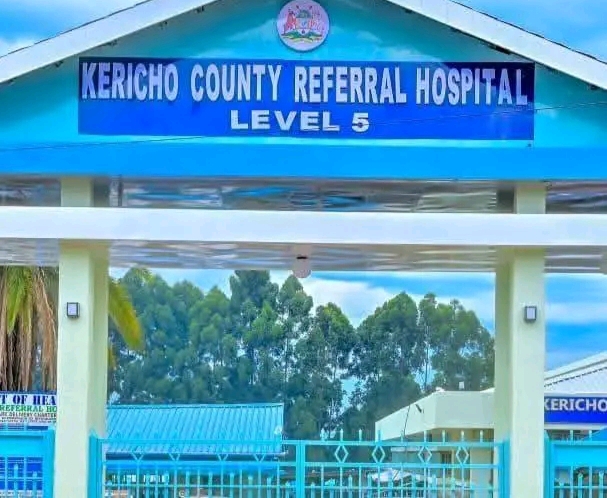
Services at Kericho County Referral Hospital continue to play a critical role despite concerns among residents about the Ebola outbreak. The facility remains an important centre for emergency care, maternity services, diagnostics, specialised treatment and referrals, while county authorities continu
-
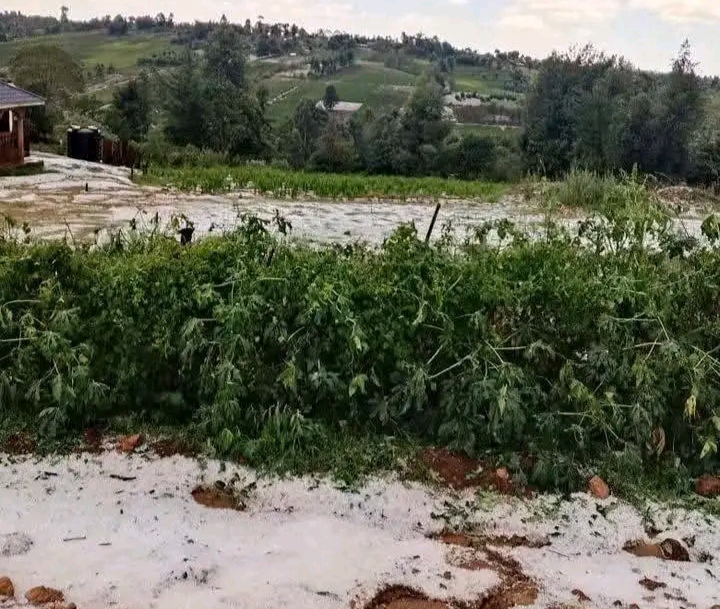
Heavy rains can have a significant impact on farmers in Bomet County. Although rainfall is essential for agriculture, excessive rain can damage crops, cause soil erosion, increase crop diseases, affect livestock, disrupt transportation and increase production costs. For farmers, the key challenge i
-
Deputy Inspector General Eliud Lagat's call for motorists to obey traffic rules underscores the urgent need for greater discipline and responsibility on Kenyan roads. Speeding, reckless overtaking, drunk driving, distracted driving and operating unroadworthy vehicles can turn ordinary journeys into
-
President William Ruto presides over the certification ceremony at State House, Nairobi. A total of 3,750 beneficiaries receive Recognition of Prior Learning certificates. The programme recognises skills gained through practical experience and non-formal training. It provides workers with formal