Kenya to Engage Nigeria Diplomatically Over Visa Challenges Facing Kenyan Travellers
Foreign Affairs Principal Secretary Korir Sing’Oei says Kenya will engage Nigeria through diplomatic and political channels to address visa challenges affecting Kenyan travellers. The planned talks aim to resolve the concerns, improve communication on visa procedures and make travel arrangements more predictable for Kenyans visiting Nigeria for business, education, tourism and other purposes. The government hopes that constructive dialogue will help protect the interests of Kenyan citizens while strengthening bilateral relations between Nairobi and Abuja. Travellers are advised to continue confirming current visa requirements with the relevant authorities as discussions proceed.
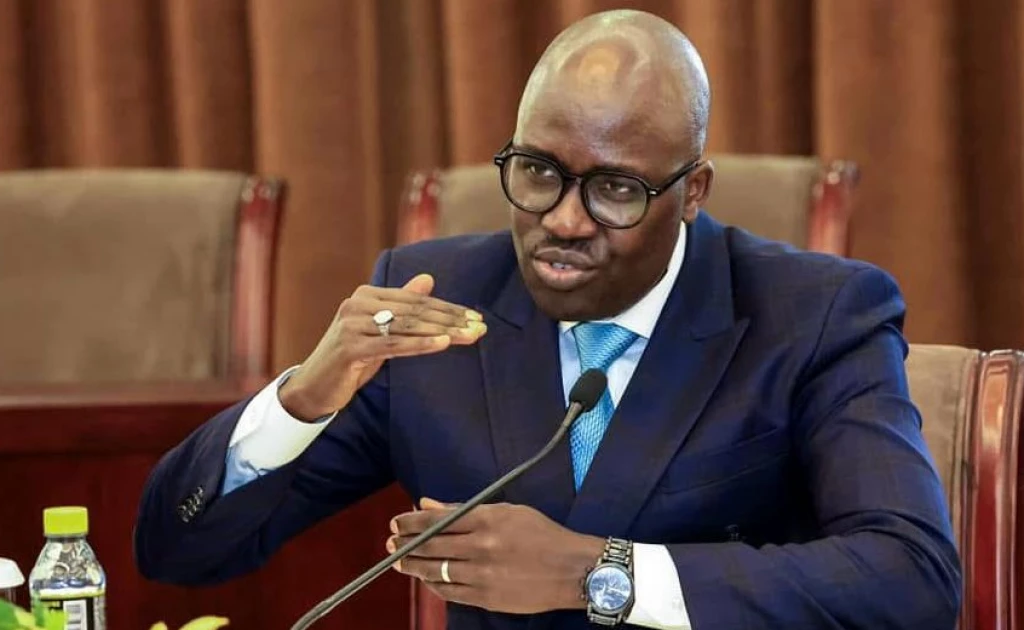
Kenya's Principal Secretary for Foreign Affairs, Korir Sing’Oei, says the government will pursue diplomatic and political engagements with Nigeria to address visa challenges affecting Kenyan travellers seeking to enter the West African country.
Sing’Oei said the government intends to use established diplomatic channels to resolve the concerns and improve travel arrangements between the two countries. The planned engagements are aimed at finding a mutually acceptable solution while protecting the interests of Kenyan citizens travelling to Nigeria for business, education, tourism and other legitimate purposes.
The announcement comes amid concerns over difficulties Kenyan travellers may be experiencing when seeking visas or making travel arrangements to Nigeria. Such challenges can affect individuals, businesses and organisations that depend on reliable movement between the two countries for commercial, professional and personal activities.
Kenya and Nigeria maintain diplomatic relations and are important economic and political partners on the African continent. Both countries play influential roles in their respective regions and have opportunities to strengthen cooperation in trade, investment, education, technology, tourism and regional affairs.
The planned diplomatic engagements are therefore expected to provide an avenue for the two governments to discuss the reported visa concerns, clarify existing procedures and explore practical measures to make travel easier for eligible citizens.
Visa requirements are an important part of international travel, allowing governments to regulate entry into their territories and establish the conditions under which foreign nationals may visit, study, work or conduct business. However, when travellers encounter unexpected delays, unclear requirements or difficulties during the application process, the resulting uncertainty can disrupt travel plans and create additional costs.
For Kenyan citizens intending to travel to Nigeria, predictable visa procedures are particularly important for attending business meetings, conferences, academic programmes, cultural events and other engagements. Delays or uncertainty can lead to missed appointments, additional accommodation expenses and interruptions to planned activities.
The government's decision to pursue diplomatic and political engagement signals an intention to address the issue through dialogue rather than allowing the concerns to undermine relations between Nairobi and Abuja.
The role of diplomacy in resolving visa disputes is significant because immigration policies are determined by individual governments, while challenges affecting citizens abroad can require direct communication between the countries involved. Through consultations, officials can identify the causes of difficulties, explain their respective policies and determine whether administrative changes or clearer communication could improve the situation.
Sing’Oei's announcement highlights the importance of maintaining open communication between Kenya and Nigeria, especially when issues arise that affect citizens travelling between the two countries. Diplomatic discussions can help prevent misunderstandings from escalating and ensure that concerns are addressed through established government-to-government mechanisms.
For Kenya, protecting the interests of its citizens abroad is a key responsibility of the Ministry of Foreign and Diaspora Affairs. The ministry works through diplomatic missions and other official channels to assist Kenyans facing challenges in foreign countries, including difficulties relating to travel documentation, immigration procedures and access to consular assistance.
In cases involving visa restrictions or administrative obstacles, diplomatic missions can communicate with the relevant authorities, provide guidance to affected citizens and seek clarification on applicable requirements. They can also relay concerns to government officials at home to help determine whether further diplomatic intervention is necessary.
The proposed engagement with Nigeria could therefore provide an opportunity to establish a clearer understanding of the visa challenges being reported by Kenyan travellers. However, the specific measures that may emerge from the discussions will depend on the concerns identified and the outcome of consultations between the two governments.
One important consideration is the need for accurate and accessible information about visa application procedures. Travellers require clear guidance on the documents they must submit, the applicable fees, processing timelines and any additional conditions imposed by immigration authorities.
When requirements are unclear or information is inconsistent, applicants may face unnecessary complications. Clear communication from the relevant authorities can help travellers prepare their applications correctly and reduce the likelihood of delays caused by missing documents or misunderstandings.
Kenya and Nigeria could use diplomatic consultations to discuss ways of improving communication between their relevant government agencies. Where appropriate, clearer guidance for travellers, better coordination between immigration officials and more accessible information about application procedures could help reduce uncertainty.
Business travel is another important consideration in the relationship between the two countries. Kenya and Nigeria have substantial populations, active private sectors and opportunities for companies seeking to expand their operations across African markets.
Entrepreneurs and business executives often travel to explore partnerships, attend conferences, meet potential investors and negotiate commercial agreements. Reliable travel arrangements can help them make decisions with greater confidence and reduce the risks associated with unexpected disruptions.
For Kenyan businesses interested in the Nigerian market, visa-related difficulties could complicate efforts to establish partnerships or maintain existing commercial relationships. Similarly, Nigerian investors and entrepreneurs seeking opportunities in Kenya benefit from clear and predictable entry procedures.
Addressing travel concerns could therefore contribute to a more supportive environment for commercial engagement. Nevertheless, improvements in visa processes alone would not guarantee increased trade or investment. Business growth also depends on market conditions, financing, regulations, infrastructure and the ability of companies to identify viable opportunities.
Education and professional exchange could also benefit from improved travel arrangements. Students, researchers, lecturers and professionals may need to travel between Kenya and Nigeria to participate in academic programmes, training sessions, conferences and collaborative projects.
Such exchanges can create opportunities for knowledge-sharing and cooperation in fields including technology, agriculture, healthcare, business and the creative industries. When travel requirements are predictable, institutions can organise programmes more effectively and participants can make arrangements with fewer uncertainties.
Tourism and cultural exchange are other areas in which the two countries could benefit from stronger engagement. Kenya is known internationally for its wildlife, landscapes and tourism experiences, while Nigeria has a prominent film, music and cultural industry. Greater movement between the countries can create opportunities for cultural partnerships, entertainment events and tourism-related business.
However, travellers must still comply with the immigration requirements of the destination country. Diplomatic engagement does not automatically remove visa requirements or guarantee that individual applications will be approved. Any changes to existing procedures would need to be communicated through the appropriate official channels.
Kenyans planning to travel to Nigeria should therefore continue to confirm the current entry requirements with the relevant Nigerian authorities or the appropriate diplomatic mission before making final travel arrangements. They should also ensure that their travel documents are valid and that they understand the conditions attached to their intended visit.
The planned discussions also reflect the broader importance of African countries working together to facilitate legitimate movement across the continent. Governments have increasingly recognised that trade, investment, education and cultural exchange can be strengthened when people are able to travel through clear and efficient procedures.
At the same time, countries retain the responsibility to manage their borders and enforce immigration laws. Effective cooperation requires a balance between facilitating legitimate travel and respecting each country's authority to determine its entry requirements.
For this reason, diplomatic engagement is an important tool for resolving disagreements and identifying practical solutions that respect the interests of both sides. Rather than assuming that one country must abandon its immigration policies, consultations can focus on clarifying procedures, addressing specific concerns and improving communication.
The discussions between Kenya and Nigeria could also reinforce the importance of reciprocity in diplomatic relations. Governments generally seek arrangements that treat their citizens fairly and provide a reasonable level of predictability when travelling abroad. Where concerns arise, direct communication can help establish whether the difficulties are linked to policy, administrative procedures or individual circumstances.
The success of the planned engagement will ultimately depend on the willingness of both governments to examine the reported challenges and agree on appropriate steps. Kenyan travellers and businesses will be interested in whether the discussions lead to clearer guidance, improved coordination or other practical measures that address the concerns raised.
For the Ministry of Foreign and Diaspora Affairs, communicating the outcome of the engagement will be important. Travellers need to know whether any procedures have changed, when new arrangements might take effect and which official channels they should use to obtain assistance.
Until further details are announced, it remains important to distinguish between the government's intention to engage Nigeria and any confirmed changes to visa policy. Sing’Oei's statement indicates that diplomatic and political discussions are planned, but it does not, by itself, establish that visa requirements have already been altered.
The issue presents an opportunity for Kenya and Nigeria to reaffirm their commitment to constructive relations while addressing a concern that affects the movement of their citizens. Both countries have an interest in maintaining effective diplomatic communication and ensuring that legitimate travellers receive clear information about the procedures they must follow.
As the government prepares to pursue the engagements, Kenyan travellers will be watching for updates on the steps taken to resolve the reported difficulties. Businesses, students and other travellers will also be interested in whether the discussions produce practical improvements that make travel planning more predictable.
The objective is to address the visa challenges through dialogue, strengthen cooperation between the two countries and protect the interests of Kenyans travelling to Nigeria. Any resulting changes will depend on the outcome of the diplomatic process and the decisions made by the relevant authorities.
The planned engagement underscores Kenya's intention to use diplomatic channels to address concerns affecting its citizens abroad while maintaining its relationship with Nigeria. The next stage will be to establish the specific issues requiring attention and determine what measures both governments can take to resolve them.

You Might Also Like
-
Chief Justice Martha Koome’s call for adequate funding and stronger institutional preparation highlights the important role the Judiciary will play in Kenya’s 2027 General Election. Her announcement on October 28, 2026, of specialised training targeting more than 400 judicial officers demonstrat
-
A Nairobi court has declined to review the bail terms of a manyoka stunt matatu driver accused of causing a fatal crash along Enterprise Road in June. The accident claimed the lives of three passengers and left several others injured, raising renewed concerns about reckless driving and passenger saf
-
President William Ruto's visit to Moscow for the Third Russia–Africa Summit and Economic and Humanitarian Forum is an important diplomatic engagement for Kenya. The government is seeking to expand export markets, attract Russian investment, strengthen manufacturing, explore energy and infrastructu
-
 Musalia Mudavadi’s engagement with senior management at Sberbank’s headquarters in Moscow highlights Kenya’s efforts to strengthen economic diplomacy during the Third Russia–Africa Summit period. The meeting provides a potential platform for exploring financial services, digital innovation,
-
KEMSA's call for all 47 counties to allow SHA to facilitate payments for medicines highlights the need for a more dependable healthcare financing system in Kenya. The proposal seeks to improve the flow of money to the medical supply chain, reduce payment difficulties and help healthcare facilities m
-
William Owuor Ochieng’, popularly known on Facebook as “William Jahome,” has been arrested in Nairobi’s Central Business District over allegations of online threats, incitement to violence and ethnic hostility. The arrest has renewed attention on the growing concerns surrounding the misuse o