



Kenya Tourism Board Steps Up Global Campaign to Showcase the Country’s Hidden Gems and Boost Tourism
The Kenya Tourism Board (KTB) is intensifying efforts to promote Kenya as a leading tourism destination by showcasing the country’s diverse attractions, including wildlife, beaches, culture, adventure, sports, conferences and lesser-known destinations across the 47 counties. Through the Magical Kenya brand, domestic tourism campaigns such as Tembea Kenya, international travel exhibitions, digital marketing, partnerships with airlines and tour operators, and initiatives targeting adventure and cultural tourism, KTB is seeking to attract more international visitors while encouraging Kenyans to explore destinations within the country. The strategy also focuses on expanding tourism benefits to local communities, supporting businesses and creating employment while promoting sustainable use of Kenya’s natural and cultural resources.
The Kenya Tourism Board (KTB) continues to play a central role in promoting Kenya as a competitive tourism destination in Africa and internationally. As a state corporation established under the Tourism Act of 2011, KTB is responsible for developing, implementing and coordinating the national tourism marketing strategy. Its stated mission is to market Kenya as the “home of human origin” and as a diverse, sustainable and authentic destination that can be visited throughout the year.
Tourism remains an important part of Kenya's economy because it generates foreign exchange, creates employment and supports businesses in areas such as accommodation, transport, agriculture, entertainment, conservation, handicrafts and travel services. The government's latest sector review shows that international tourist arrivals increased from 1.65 million in financial year 2022/23 to about 2.42 million in 2024/25. Tourism earnings also increased from KSh297.3 billion to KSh458.2 billion during the same period. The government attributes part of this growth to destination marketing campaigns, improved connectivity and diversification of tourism products.
Marketing Kenya under the Magical Kenya brand
One of the most visible ways KTB promotes the country is through the Magical Kenya brand. The campaign seeks to present Kenya as more than a traditional safari destination by highlighting wildlife, beaches, culture, adventure, sports, business tourism, hospitality and other experiences.
KTB's marketing strategy increasingly focuses on showing potential visitors that Kenya offers different experiences in different parts of the country. This includes the Maasai Mara and other wildlife destinations, the beaches of the Coast, mountains, forests, lakes, cultural attractions, urban experiences and adventure tourism.
The approach is also intended to spread tourism benefits beyond the country's most established tourist destinations. In 2025, KTB entered into a strategic partnership with the Tour Operators Society of Kenya to jointly market Kenya's 47 counties and promote lesser-known destinations through niche marketing initiatives. The partnership includes the use of traditional and digital platforms to reach domestic and international travellers.
This is significant because tourism promotion is increasingly moving toward presenting Kenya as a country with many destinations rather than relying heavily on a few well-known attractions.
Promoting domestic tourism
KTB is also encouraging Kenyans to travel within their own country. Domestic tourism provides an important source of business for hotels, restaurants, tour operators, transport companies, cultural centres and other tourism enterprises.
The Tembea Kenya campaign has been part of efforts to encourage Kenyans to explore attractions within the country. Government figures show that domestic hotel bed-nights increased from about 4.52 million in 2022/23 to 5.01 million in 2024/25. The government attributes this growth partly to continued implementation of Tembea Kenya and the availability of more affordable accommodation options.
KTB has also used cultural and educational events to encourage domestic travel. For example, the Board has previously worked with music and drama festivals as platforms for showing Kenyans that tourism is not only about international visitors. The initiative highlighted experiences such as cultural tourism, ecotourism, sports, birdwatching, water activities, guided safaris and conferencing.
The promotion of domestic tourism is particularly important because it can help tourism businesses maintain customers during periods when international travel is weaker.
Promoting adventure tourism
Another growing area of KTB's tourism promotion is adventure tourism. Kenya's mountains, forests, hills, trails and rural landscapes provide opportunities for hiking, mountain running, cycling and off-road activities.
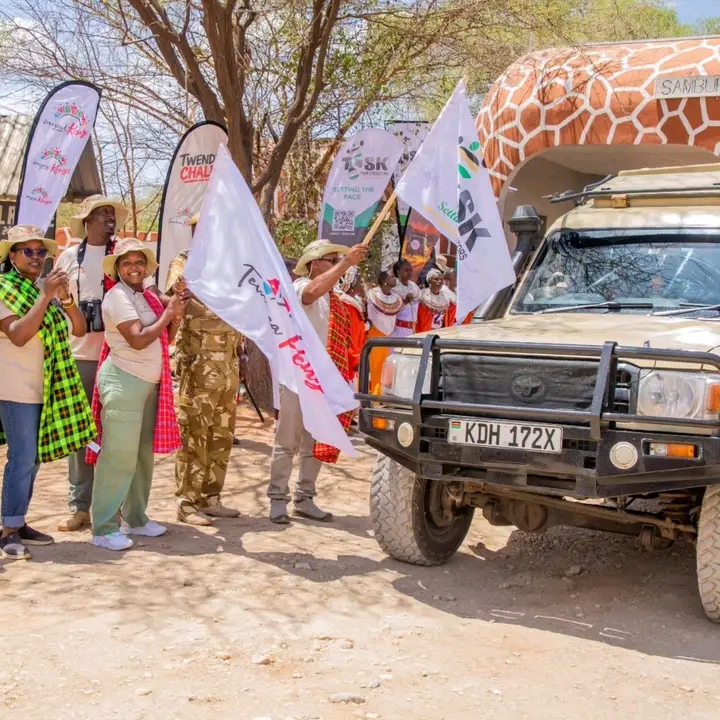
The Magical Kenya Mountain and Trails Series has been developed as one of the platforms for promoting this type of tourism. In January 2026, KTB launched the year's trail series in Tinderet, Nandi County. The programme expanded its activities to include 4x4 off-road adventure rides alongside hiking and biking.
According to KTB, the initiative is designed to create economic opportunities in host communities, with the 2026 series projected to generate more than 1,000 direct jobs in the tourism sector.
The Board has also stated that the trail series is intended to help position Kenya as a major adventure tourism destination and attract adventure travellers to areas that may not traditionally receive large numbers of tourists.
This approach gives tourism a broader identity. Instead of concentrating only on wildlife safaris, Kenya can market experiences involving sport, physical activity, scenery and local communities.
Using international partnerships to attract tourists
KTB is also working with international airlines, travel companies and tourism organisations to improve Kenya's visibility in international markets.
An example is the route-marketing collaboration between KTB and AirAsia X. The partnership was announced during the Magical Kenya Travel Expo and was connected to the direct Kuala Lumpur-Nairobi route. KTB said the collaboration was intended to promote Kenya among travellers within AirAsia's network across Southeast Asia, Northern Asia and Australia.
Air connectivity is particularly important to tourism because easier access can influence travellers' decisions about destinations. Marketing a destination together with an airline can therefore help combine promotion with actual travel connectivity.
KTB has also been working with other African destinations to increase intra-African tourism. During Zambia Travel Expo 2025, the Board promoted cooperation between Kenya and other African tourism markets. KTB said joint marketing, trade shows and partnerships could help strengthen regional tourism and create cross-border tourism packages.
Promoting Kenya through international tourism exhibitions
Tourism exhibitions provide another important platform for KTB. Such events bring together tourism boards, hotels, airlines, tour operators, travel agencies, investors and potential buyers.
The Magical Kenya Travel Expo is one of the major platforms through which Kenya promotes its tourism products. KTB also participates in international travel exhibitions to meet buyers and travel professionals from different markets.
For example, KTB has used events such as the World Travel Market in London to target European markets. Participation in international exhibitions allows Kenyan tourism businesses to meet international tour operators and present new tourism products.
These events are also important for building business-to-business relationships. Rather than simply advertising Kenya to individual travellers, KTB can connect Kenyan tourism suppliers directly with companies that sell holidays and travel packages in international markets.
Digital marketing and social media
Modern tourism promotion has increasingly moved online, and KTB uses digital platforms as part of its marketing activities. Images and videos of wildlife, landscapes, beaches, cultural events, hotels and adventure activities can reach potential visitors around the world through social media and digital campaigns.
KTB's digital media resources also provide tourism-sector stakeholders, travel media, government agencies and partners with promotional materials that can be used to market Kenya. Its service portal includes a Magical Kenya Specialist Programme and a digital media library containing assets for promoting Kenya as a tourism destination.
Digital promotion is particularly useful because travellers increasingly research destinations online before deciding where to go. A strong online presence can therefore help Kenya reach people who may not encounter traditional television, print or outdoor advertising.
Working with the Kenyan diaspora
KTB is also seeking to use Kenyans living abroad as ambassadors for the country's tourism sector.
One example is Ziara Kenya, a KTB initiative discussed with the Ministry of Foreign Affairs. KTB said the programme targets more than three million Kenyans in the diaspora and seeks to empower them to promote Kenya's tourism offerings.
The diaspora can play a useful role because Kenyans living abroad interact with people from many countries and can introduce friends, colleagues and business contacts to Kenyan destinations.
The initiative also demonstrates that tourism promotion does not necessarily have to depend entirely on formal advertising campaigns. Personal networks can also contribute to destination awareness.
Expanding tourism beyond wildlife
Wildlife remains one of Kenya's biggest tourism attractions, but KTB is working to broaden the country's tourism portfolio.
The government's tourism strategy identifies opportunities in areas including MICE tourism, cultural tourism, wellness tourism and adventure tourism.
MICE stands for Meetings, Incentives, Conferences and Exhibitions. Kenya, particularly Nairobi, has developed a strong position as a business and conference destination. Government figures indicate that the number of conferences increased from 10,558 in 2022/23 to 12,224 in 2024/25, while delegates increased from 638,478 to 736,874.
This diversification matters because different visitors have different interests. Some may come for wildlife, others for conferences, beaches, culture, sports, adventure or business.
Promoting coastal and cruise tourism
The Kenyan Coast remains another important component of tourism promotion. Mombasa, Diani, Malindi, Watamu and other coastal destinations provide opportunities for beach holidays, marine activities, cultural tourism and historical experiences.
In March 2026, KTB highlighted developments involving cruise tourism at the Port of Mombasa, including the arrival of cruise vessels. KTB reported that Mombasa was developing its role as a turnaround hub for cruise tourism.
Cruise tourism can provide visitors with another entry point into Kenya and create opportunities for businesses involved in transportation, excursions, accommodation, restaurants, entertainment and retail.
Supporting communities through tourism
Tourism promotion also has a community dimension. When visitors travel to different counties, money can reach local hotels, restaurants, guides, artisans, farmers, drivers and entertainment providers.
KTB's adventure tourism programmes specifically emphasise economic benefits for communities hosting events. The Magical Kenya Trails initiative, for instance, is designed to create opportunities in rural areas where tourism infrastructure and visitor numbers may be less developed.
This supports the wider objective of making tourism more inclusive and ensuring that benefits are distributed beyond traditional tourist centres.
Sustainability and conservation
Tourism promotion is closely connected to conservation because Kenya's wildlife and natural landscapes are major attractions. Protecting these resources is therefore important to maintaining the country's tourism appeal over the long term.
The national tourism strategy places emphasis on sustainability, diversification and inclusive growth. It also seeks greater participation by communities across Kenya.
For wildlife tourism, sustainable management is particularly important because excessive pressure on ecosystems could undermine the attractions on which the sector depends.
Tourism's economic importance
The importance of KTB's promotional work can be seen in the broader performance of the sector. According to the government's tourism sector review, international arrivals reached approximately 2.42 million in financial year 2024/25, while tourism earnings reached KSh458.2 billion.
A separate national tourism strategy document reported approximately 2.4 million international visitors in 2024 and tourism earnings of about KSh452.2 billion. It also estimated that tourism and travel directly and indirectly contributed around 10.5 percent of GDP and supported more than 1.5 million jobs.
These figures illustrate why destination marketing is important to Kenya's economy. More visitors can translate into increased demand for accommodation, transport, food, entertainment, tours, cultural products and other services.
Looking ahead
KTB's current approach suggests that Kenya's tourism promotion is becoming increasingly diversified. The country is seeking to market established attractions while also developing new experiences and destinations.
The Board's activities include domestic tourism campaigns, international marketing, digital promotion, partnerships with airlines and tour operators, adventure tourism, cultural tourism, conference tourism and regional cooperation.
KTB's stated vision is to make Kenya the most visited tourism destination in Africa, while its mission focuses on presenting Kenya as a diverse, sustainable and authentic destination that can be visited throughout the year.
The challenge will be to convert increased awareness into actual visits while ensuring that tourism growth remains sustainable and beneficial to communities. Continued investment in infrastructure, connectivity, hospitality, security, conservation, digital marketing and visitor experiences will remain important.
Overall, the Kenya Tourism Board is positioning tourism as a broad national industry rather than an activity centred only on wildlife safaris. Through the Magical Kenya brand, domestic campaigns, international partnerships, adventure events, cultural promotion, digital platforms and business tourism, KTB is seeking to expose both Kenyan and international travellers to the country's wide range of attractions. The recent growth in visitor numbers and tourism earnings provides evidence of a strong recovery and expansion of the sector, while the Board's ongoing programmes indicate an effort to make Kenya's tourism offering more diverse, accessible and competitive in the international market.
You Might Also Like
-
Kipchumba Murkomen's presence in Igembe today was centred on the passing-out of National Police Reservists at Magado in Igembe North, Meru County. The ceremony follows the government's recruitment and training of additional NPRs and comes alongside wider reforms aimed at strengthening community poli
-
Former Kenyan athlete Beatrice Murugi has received a new lifeline after being transferred to Kenyatta National Hospital (KNH) for specialised treatment following years of health and financial struggles. Reports published on September 23, 2026, indicate that Murugi, who previously competed profession
-
The Turbo tanker tragedy has become one of the major recent road accidents in the Eldoret area, with the death toll now standing at six according to the latest Citizen TV update available on September 23, 2026. What began as a road collision involving a fuel tanker escalated into a deadly fire aft
-
PS Agriculture Dr. Kipronoh Ronoh says agriculture remains the backbone of Kenya’s economy, supporting food security, livelihoods, employment and economic growth.
-
Today's Safaricom news is dominated by the government's legal challenge over the KSh204.3 billion sale of a 15 percent stake in Safaricom. The government is asking the Court of Appeal to overturn the High Court ruling that declared the transaction null and void and to suspend implementation of that
-
Bomet County has signed an MoU with Peek Vision to enhance eye screening, early detection and access to quality eye-care services across the county.