




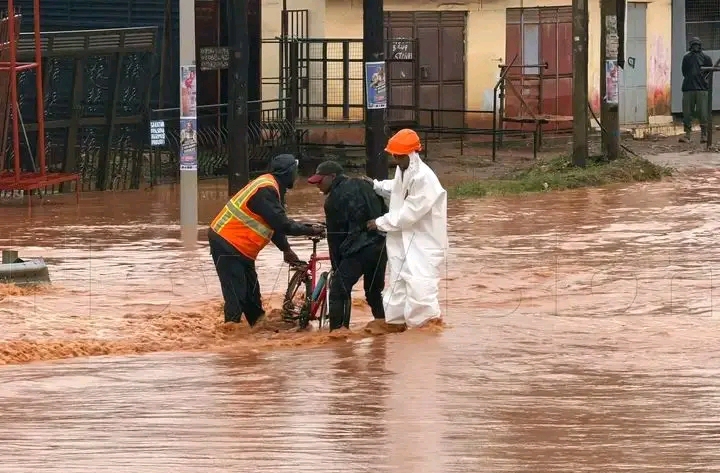
Kenya Weather Alert: Rains to Hit Dozens of Counties as October Begins, While Some Areas Face 30°C+ Heat
Kenya's weather this week, from September 29 to October 5, 2026, is expected to remain varied, with rainfall forecast in parts of more than 30 counties while other areas experience sunshine and temperatures above 30°C. Nairobi, parts of Central Kenya, Western Kenya, the Rift Valley, Eastern Kenya and the Coast are among the areas that could receive rainfall. Meanwhile, sections of the northern and coastal regions are expected to experience warmer daytime temperatures, while several highland counties may record cold nights below 10°C. The forecast also comes at an important time as Kenya enters the October–December short-rains season. Residents, farmers, motorists and businesses are encouraged to follow daily updates from the Kenya Meteorological Department because rainfall intensity and timing can vary significantly from one location to another. The latest KMD seven-day forecast provides the basis for planning during this transition into October.
Kenya is set to experience mixed weather conditions during the week of September 29 to October 5, 2026, with rainfall expected in parts of the country while other areas experience sunny and relatively hot conditions. The latest forecast from the Kenya Meteorological Department (KMD) indicates that rainfall will affect parts of at least 32 counties, as the country transitions from September into the October–December short-rains season.
The forecast is important for farmers, motorists, travellers, businesses and households because weather conditions are expected to vary considerably from one region to another. Some areas will receive light to moderate rainfall, while parts of northern and coastal Kenya will experience high daytime temperatures. At the same time, several highland counties are expected to record notably cold nights, with minimum temperatures falling below 10°C in some locations.
Rainfall expected in several parts of Kenya
According to the latest seven-day forecast covering September 29 to October 5, rainfall is expected in parts of Lamu, Kwale, Kilifi, Mombasa, Tana River, Taita Taveta, Mandera, Marsabit, Meru, Embu, Garissa, Kiambu, Kirinyaga, Kisumu, Kitui, Laikipia, Machakos, Makueni, Murang’a, Nairobi, Nakuru, Nyandarua, Nyeri, Tharaka-Nithi, Trans Nzoia, Bungoma, Elgeyo Marakwet, Bomet, Kericho, Kisii, Nyamira and Wajir.
The distribution of rainfall is expected to vary, meaning that not every location within these counties will necessarily receive rain at the same time or in the same amount. This is particularly important for residents because weather conditions can change quickly, especially during afternoon and evening periods.
The latest five-day outlook for October 1 to October 5 also indicates that light to moderate rainfall will affect several areas, with rainfall becoming more noticeable as the weekend approaches. Nairobi, parts of Central Kenya, the Coast and sections of Eastern Kenya are among areas expected to experience rainy spells.
Nairobi and Central Kenya
Residents of Nairobi and neighbouring Central Kenya counties should prepare for changing conditions during the first days of October.
Nairobi is among the counties listed in the weekly forecast as likely to receive rainfall. Central counties including Kiambu, Murang'a, Nyeri, Nyandarua and Kirinyaga are also expected to experience rain in some areas.
For Nairobi residents, the weather could mean sunny periods followed by cloud development and rainfall, particularly as the week progresses. Commuters should therefore remain prepared for wet roads and reduced visibility during periods of rainfall.
The situation may also affect outdoor activities, construction work, farming and transportation. People travelling early in the morning should also be prepared for relatively cool conditions in parts of the Central highlands.
Western Kenya and Rift Valley
Parts of Western Kenya and the Rift Valley are also included in the rainfall forecast. Counties such as Bungoma, Trans Nzoia, Elgeyo Marakwet, Bomet, Kericho, Kisii and Nyamira are among areas expected to receive rainfall during the forecast period.
This comes after rainfall was already recorded in several parts of the country between September 21 and September 27. The Kenya Meteorological Department reported significant rainfall during that period, with Kibabii University rainfall station in Bungoma recording a seven-day total of 125.1 millimetres.
The rainfall could be beneficial to farmers preparing land and crops for the short-rains season. However, heavy or persistent rainfall in isolated areas can also create challenges, including muddy roads, waterlogging and reduced visibility for motorists.
Residents in Kericho, Bomet and surrounding highland areas should particularly monitor updated local forecasts because weather conditions in the highlands can change rapidly.
Coastal region
The Coast will experience a combination of rainfall and sunshine.
Mombasa, Kwale and Kilifi are expected to receive light morning showers in some areas, followed by sunny intervals later in the day. Lamu and Taita Taveta are also among the counties included in the wider rainfall forecast.
On September 30, KMD's forecast indicated that Mombasa, Kwale and Kilifi could experience light morning showers before conditions improve later in the afternoon. Lamu was expected to have sunny intervals during the day.
Temperatures along the Coast will generally remain higher than those experienced in the central highlands. This means residents and visitors should expect warm conditions during the daytime even when brief rainfall occurs.
Hot conditions in northern and coastal areas
While rain is expected in several counties, other parts of Kenya will experience relatively high temperatures.
According to the forecast, parts of Kilifi, Tana River, Lamu, Garissa, Wajir, Isiolo, Bungoma, Busia, Kakamega, Marsabit and Turkana could record average daytime maximum temperatures above 30°C.
These temperatures demonstrate the significant regional differences in Kenya's weather. While residents in the highlands may require warm clothing during cold mornings and nights, people in northern and coastal counties may experience considerably warmer daytime conditions.
People working outdoors in the hotter regions should take precautions against excessive exposure to heat, particularly during the warmest parts of the afternoon.
Cold nights in the highlands
The weather forecast also highlights the possibility of chilly nights in several counties.
Parts of Meru, Tharaka-Nithi, Kirinyaga, Murang'a, Nyeri, Nakuru, Nyandarua, Laikipia, Narok, Taita Taveta and Kajiado are expected to record average minimum nighttime temperatures below 10°C.
The colder conditions are particularly relevant to people living in elevated areas. Farmers should also take local temperature conditions into consideration when planning agricultural activities.
The contrast between warm afternoons and cold nights is typical of several highland areas during this period.
October marks the beginning of the short-rains season
The changing weather comes as Kenya enters the October–November–December (OND) rainfall season, commonly referred to as the short-rains season.
The Kenya Meteorological Department's seasonal outlook indicates that most parts of the country are expected to receive above-average rainfall during the OND season, with generally fair to good distribution.
However, seasonal forecasts should not be interpreted as meaning that every county or location will receive the same amount of rainfall. Rainfall can vary considerably from one location to another, even within the same county.
Meteorologists are also monitoring large-scale climate factors that can influence rainfall patterns in East Africa. Recent reporting on the weekly forecast notes that the Indian Ocean Dipole is one of the factors being considered alongside other climate influences.
Implications for farmers
The expected rainfall could be significant for farmers who depend on seasonal rains.
As October begins, farmers in areas expecting rainfall may use the wet conditions to prepare land, plant crops and undertake other agricultural activities. Adequate rainfall can improve soil moisture and support crop establishment.
However, farmers should avoid relying solely on the arrival of one rainfall event. The amount and distribution of rainfall can vary, and updated forecasts remain important before making major agricultural decisions.
Farmers in areas that receive heavy rainfall should also watch for soil erosion, waterlogging and damage to farm infrastructure.
Transport and daily activities
The changing weather could also affect transportation.
Rainfall can make roads slippery and reduce visibility, particularly during intense showers. Motorists should therefore exercise additional caution whenever rain begins.
Pedestrians and motorcycle riders may also experience difficulties during sudden downpours. People planning outdoor events should monitor updated forecasts because conditions can change during the day.
The expected mixture of rainfall, sunshine and high temperatures means that Kenyans should prepare for different weather conditions rather than assuming that the entire country will experience the same pattern.

You Might Also Like
-
President William Ruto says Kenya will take a stake in the proposed Dangote East Africa Refinery and contribute its assets to the project, stressing that the country will invest and not expect anything for free.
-
Ugandan President Yoweri Museveni has praised Aliko Dangote as an African investor committed to developing the continent, while criticising leaders he says prioritise foreign interests over African development.
-
Prime Minister Abiy Ahmed's message during the Dangote East Africa Petroleum Refinery groundbreaking was centred on energy security, Ethiopia's access to additional fuel supplies, regional trade, industrialisation, investment and opportunities for young Africans. He described the Lamu refinery as a
-
Former Nigerian President Olusegun Obasanjo's attendance at the September 30, 2026 groundbreaking of the Dangote East Africa Petroleum Refinery in Lamu added historical and continental significance to the ceremony. His presence alongside President William Ruto, Aliko Dangote and other African leader
-
President William Ruto's September 30, 2026 groundbreaking ceremony with Aliko Dangote marks a major new chapter in Kenya's energy and industrial development. The proposed Sh2.2 trillion, 700,000-barrel-per-day Dangote East Africa Petroleum Refinery is expected to supply petroleum products to Kenya
-
The EPRA report released on September 29 provides a broad assessment of Kenya's energy and petroleum sectors for the year ended June 30, 2026. Its findings show record electricity demand, increased generation, continued dominance of renewable energy, rising household electricity consumption, higher